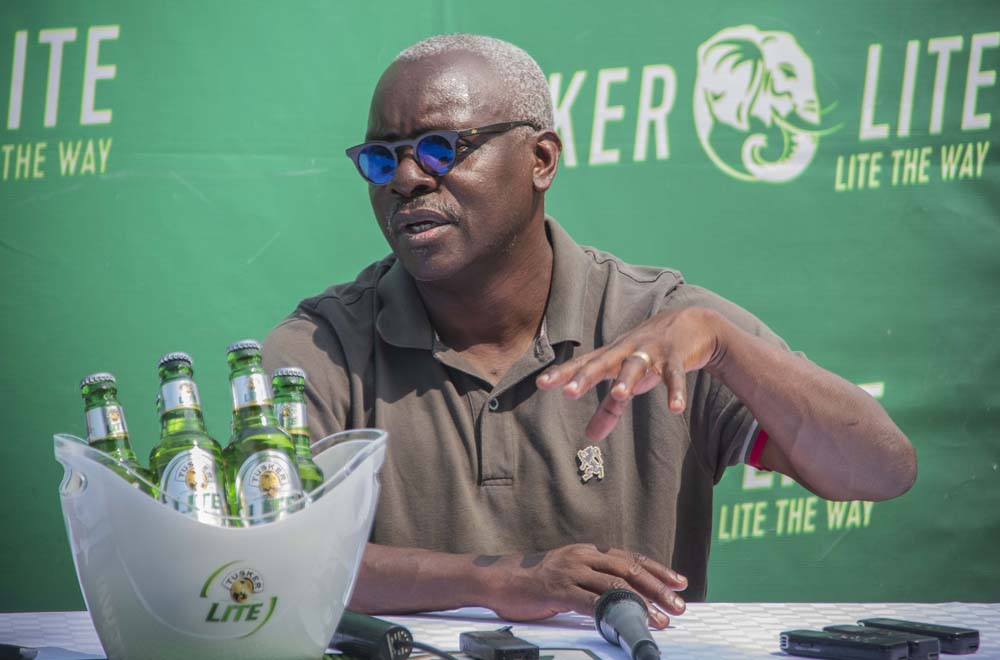
The intersection of political ascent and historical media scrutiny has once again become a flashpoint in Uganda, as newly appointed State Minister for Local Government, Hon. Justine Nameere, has publicly addressed a long-standing legal dispute with former Vision Group CEO Robert Kabushenga. The exchange, which unfolded on social media, centers on a high-profile defamation case that resulted in a significant financial judgment against the state-linked media house.
Minister Nameere, who also serves as the Woman Member of Parliament for Masaka City, utilized the platform X (formerly Twitter) to reference a 2019 legal battle involving reports published by New Vision. She asserted that the stories, which scrutinized her personal and financial dealings, were ultimately proven false in a court of law, leading to a settlement of Shs180 million. The public nature of this disclosure highlights the ongoing tensions between political figures and media institutions regarding accountability, professional ethics and the long-term impact of investigative reporting.
The Legal Dispute and Financial Settlement
The core of the recent controversy stems from reports published by New Vision during Robert Kabushenga’s tenure as Managing Director and CEO, a role he held for over a decade before his departure in 2021. The reports in question raised questions regarding Nameere’s private life and business transactions, including claims related to a vehicle loan and debt obligations. Following these publications, Nameere pursued legal action, maintaining that the reports were defamatory and intended to damage her reputation.
In her recent statement, the Minister confirmed that the court found in her favor, resulting in a payout of Shs180 million. While the legal process in Uganda regarding defamation cases is often lengthy, such payouts represent a significant milestone for public figures seeking to clear their names through the judiciary. The Ugandan legal system, governed by the Constitution and the Civil Procedure Act, provides mechanisms for individuals to seek damages when they believe their character has been unjustly maligned by media outlets, though the burden of proof rests heavily on the plaintiff to demonstrate that the information was both false and harmful.
Political Context and Public Reaction
The timing of Nameere’s remarks—arriving shortly after her appointment to the Cabinet by President Yoweri Museveni—has sparked a broad range of reactions across the Ugandan political landscape. Supporters of the Minister view her commentary as a necessary assertion of her integrity and a bold stance against what she characterizes as media “bullies.” For many of her constituents in Masaka, her ability to navigate both legal and political hurdles is seen as a testament to her tenacity.
Conversely, some political analysts and social media commentators have raised concerns regarding the timing and tone of the discussion. Critics argue that revisiting disputes from several years ago may distract from the urgent governance challenges facing the Ministry of Local Government. There is a prevailing sentiment among media ethics advocates that public officials, regardless of their past grievances, should prioritize policy discourse over personal vendettas, especially when those grievances involve former media executives who are no longer in active management roles.
Nameere’s rise to prominence has been marked by a series of high-stakes challenges, including a court-ordered vote recount that solidified her position as a legislator. Her background as a media personality and former CEO of TMTV Uganda provides her with a unique perspective on the power dynamics between the press and political actors. This dual experience likely informs her aggressive approach to managing her public image and responding to historical narratives that she deems inaccurate.
Media Ethics and Accountability in Uganda
The relationship between the Ugandan media and political figures is frequently strained, characterized by a history of litigation and intense public debate. Media houses, such as those under the Vision Group umbrella, are tasked with the demanding balance of holding public officials accountable while adhering to strict standards of verification and fairness. When that balance shifts, the resulting legal battles often become public spectacles that raise larger questions about the role of the media in a developing democracy.
Professional bodies, including the African Centre for Media Excellence (ACME), have long advocated for robust internal fact-checking mechanisms and adherence to the journalists’ code of conduct to minimize the risks of defamation. When a media house is forced to pay significant damages, it serves as a stark reminder of the financial and reputational risks associated with investigative journalism that falls short of evidentiary standards. However, it also prompts a broader conversation about whether such litigation might inadvertently chill investigative efforts into the conduct of public officials.
What Happens Next
As of late this week, Robert Kabushenga had not issued a public response to the Minister’s comments. In the absence of a direct reply, the discourse remains confined to the court of public opinion. For the Ministry of Local Government, the focus remains on the implementation of administrative reforms and the oversight of local councils, which are critical to the government’s service delivery agenda. Whether this public exchange will lead to further legal maneuvers or fade into the background remains to be seen. Readers interested in the official record of such cases may consult the Judiciary of Uganda portal for updates on civil litigation trends and rulings that shape the country’s legal landscape.
We invite our readers to share their perspectives on the balance between media accountability and the protection of personal reputation in the comments section below. How should public officials address historical media reports, and what responsibilities do media houses have in the digital age? Your engagement helps foster a more nuanced understanding of these critical issues.