
Recent legislative proposals in the United States House of Representatives have ignited a fierce debate over the future of federal nutritional support programs, specifically those targeting pregnant women and young children. As lawmakers weigh competing priorities regarding federal spending and social safety nets, the potential rollback of food aid programs has drawn significant scrutiny from policy experts, advocacy groups, and families currently reliant on these essential services.
At the center of the discourse is the ongoing management of the Special Supplemental Nutrition Program for Women, Infants, and Children (WIC) and the Supplemental Nutrition Assistance Program (SNAP). While proponents of proposed legislative adjustments argue that these measures are necessary for long-term fiscal responsibility, critics warn that reducing access could exacerbate food insecurity for the nation’s most vulnerable populations. The House Agriculture Committee’s recent legislative efforts, detailed in the Farm, Food, and National Security Act of 2024, represent the latest chapter in a long-standing tension between budget constraints and public health mandates.
The Scope of Proposed Nutritional Aid Changes
The legislative landscape for food assistance is complex, involving intricate funding mechanisms that dictate who receives aid and the quantity of that support. Under the proposed House bill, changes to SNAP—the nation’s largest food assistance program—would involve adjustments to the Thrifty Food Plan. The Congressional Budget Office (CBO) has projected that these modifications could result in a reduction of approximately $29 billion in projected spending over the next decade, a move that has sparked intense partisan debate regarding the necessity of such cuts. According to CBO analysis, these adjustments would limit the Department of Agriculture’s ability to increase benefit levels to account for inflation, effectively lowering the purchasing power of recipients over time.
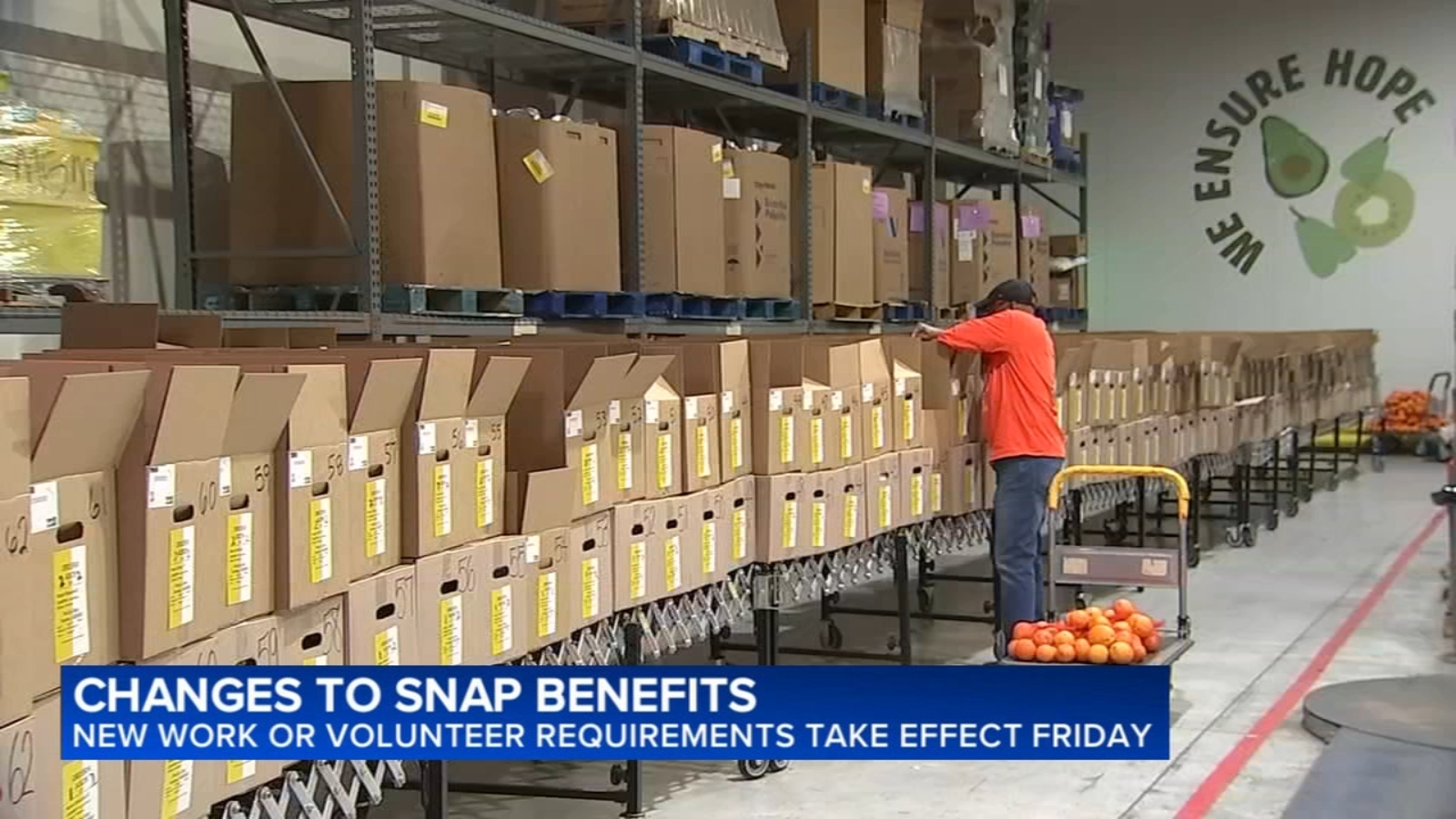

For families, the impact of such legislative shifts is not merely statistical; it is visceral. The WIC program, which provides federal grants to states for supplemental foods, health care referrals, and nutrition education for low-income pregnant, breastfeeding, and non-breastfeeding postpartum women, as well as infants and children up to age five, remains a critical pillar of child development. Advocates have pointed to the USDA eligibility requirements as a baseline that ensures infants receive the necessary nutrition during their most critical formative years. Any legislative attempt to tighten these requirements or cap funding levels faces a wall of opposition from those who argue that food security is an essential public health investment rather than a discretionary expense.
Economic Pressures and Food Bank Demand
Beyond the halls of Congress, the reality on the ground in many states reflects a growing demand for supplemental food aid. Recent data from the USDA Economic Research Service illustrates that participation in nutritional assistance programs is highly sensitive to broader economic indicators, including inflation and the cost of basic household staples. In states where benefit levels have fluctuated or where administrative shifts have occurred, food banks have reported a marked increase in the number of individuals seeking emergency assistance.
The interplay between federal policy and local need is stark. When federal benefits are curtailed, the burden often shifts to local non-profits and community-based food pantries. This phenomenon, sometimes referred to as the “cost-shift,” creates a precarious environment where charitable organizations, which operate on limited budgets, are forced to compensate for the withdrawal of state-sponsored support. As noted in reports from state agencies, the surge in demand at food banks is frequently correlated with the expiration of pandemic-era benefit enhancements, highlighting the fragile nature of current food security infrastructure.
Key Takeaways: Understanding the Legislative Conflict
- Fiscal vs. Social Priorities: The House Agriculture Committee’s proposal seeks to curb long-term federal spending by capping future adjustments to the Thrifty Food Plan.
- Impact on Vulnerable Groups: Policy analysts warn that reducing SNAP and WIC accessibility could disproportionately affect children and pregnant women, potentially leading to long-term health consequences.
- Administrative Challenges: States are currently navigating the complexities of implementing federal policy changes while managing rising local demand for food assistance.
- Congressional Outlook: The bill’s path forward remains uncertain as it faces a divided Congress and significant pressure from advocacy organizations seeking to protect existing nutritional funding levels.
What Happens Next: Navigating the Legislative Process
The legislative process for the Farm Bill is ongoing, with further committee hearings and floor debates expected in the coming months. The next major checkpoint will involve the Senate Agriculture Committee’s own iteration of the legislation. Historically, the Farm Bill requires a bipartisan consensus to pass, given the diverse interests it serves, ranging from agricultural commodity supports to federal nutrition programs. For those following these developments, the Senate Agriculture Committee official website serves as the primary portal for hearing schedules and legislative text updates.

As the debate continues, the focus will remain on whether lawmakers can reconcile the desire for fiscal consolidation with the documented needs of the millions of Americans who rely on these programs for their daily nutritional intake. The outcome of these negotiations will have profound implications for families, local economies, and the overall stability of the U.S. Social safety net. We encourage our readers to stay informed through official government portals and to contribute to the ongoing public discourse surrounding these essential services.
Jonathan Reed is the News Editor at World Today Journal. With over 16 years of experience in investigative journalism, he specializes in the intersection of international policy and domestic welfare programs.
Keep reading