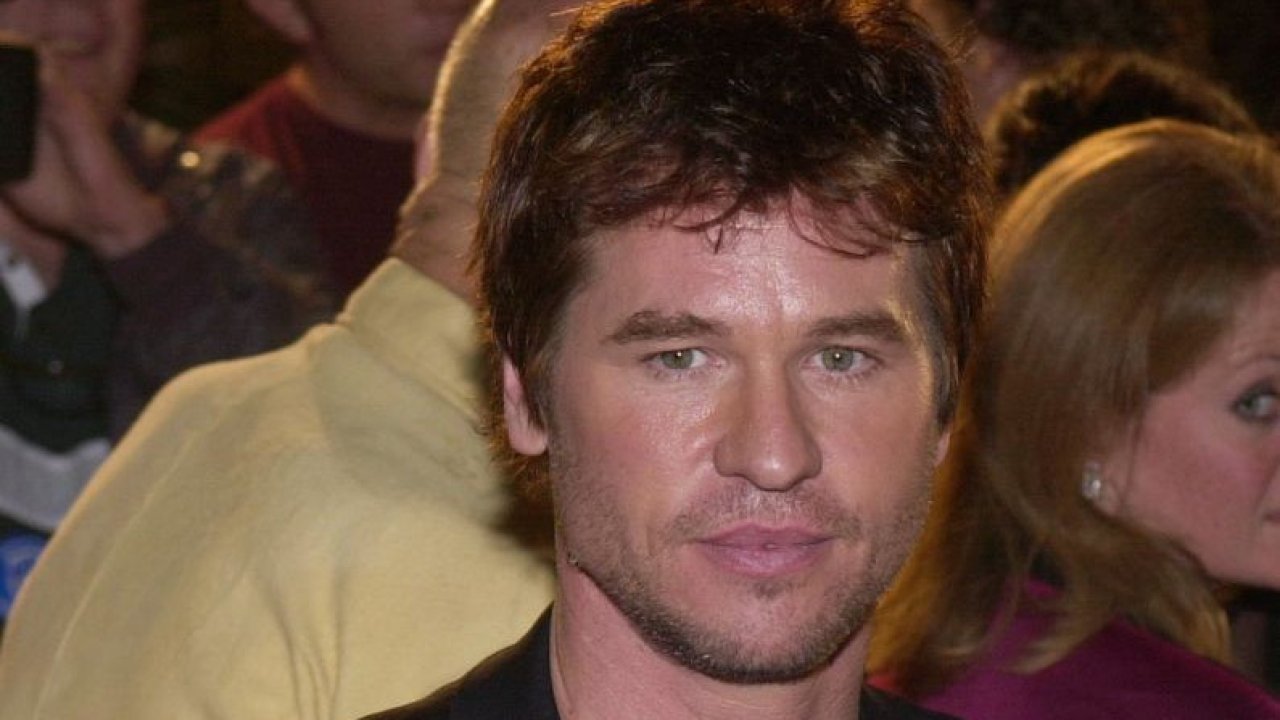
In the quiet aftermath of a life lived in the public eye, the legacy of American actor Val Kilmer continues to be a subject of intense discussion. Over a year has passed since the world learned of the passing of the iconic performer, who died in Los Angeles on April 1, 2025, at the age of 65. As is often the case with figures who command such a significant presence in global cinema, public discourse has shifted from mourning to a complex re-examination of his character and professional conduct, occasionally surfacing harsh critiques that contrast sharply with his celebrated filmography.
For those of us who have followed the trajectory of Hollywood legends, the posthumous debate surrounding Val Kilmer serves as a sobering reminder of the dichotomy between the public persona and private reality. Kilmer, whose films grossed more than $3.85 billion worldwide according to Wikipedia records, was once described by legendary film critic Roger Ebert as a candidate for the most unsung leading man of his generation. Yet, recent discussions have sought to reconcile this artistic acclaim with anecdotal claims regarding his temperament and interpersonal relationships during his long and storied career.
The Complexity of a Hollywood Legacy
Born on December 31, 1959, in Los Angeles, Val Edward Kilmer carved out a niche as one of the most versatile actors of his time. From his early comedic turns in Top Secret! (1984) and Real Genius (1985) to his definitive dramatic roles as Iceman in Top Gun (1986) and Jim Morrison in The Doors (1991), Kilmer exhibited a range that few of his contemporaries could match. His dedication to his craft was often noted, as was his intellectual approach to performance, including his self-penned one-man show about Mark Twain, Citizen Twain, which premiered in 2012.
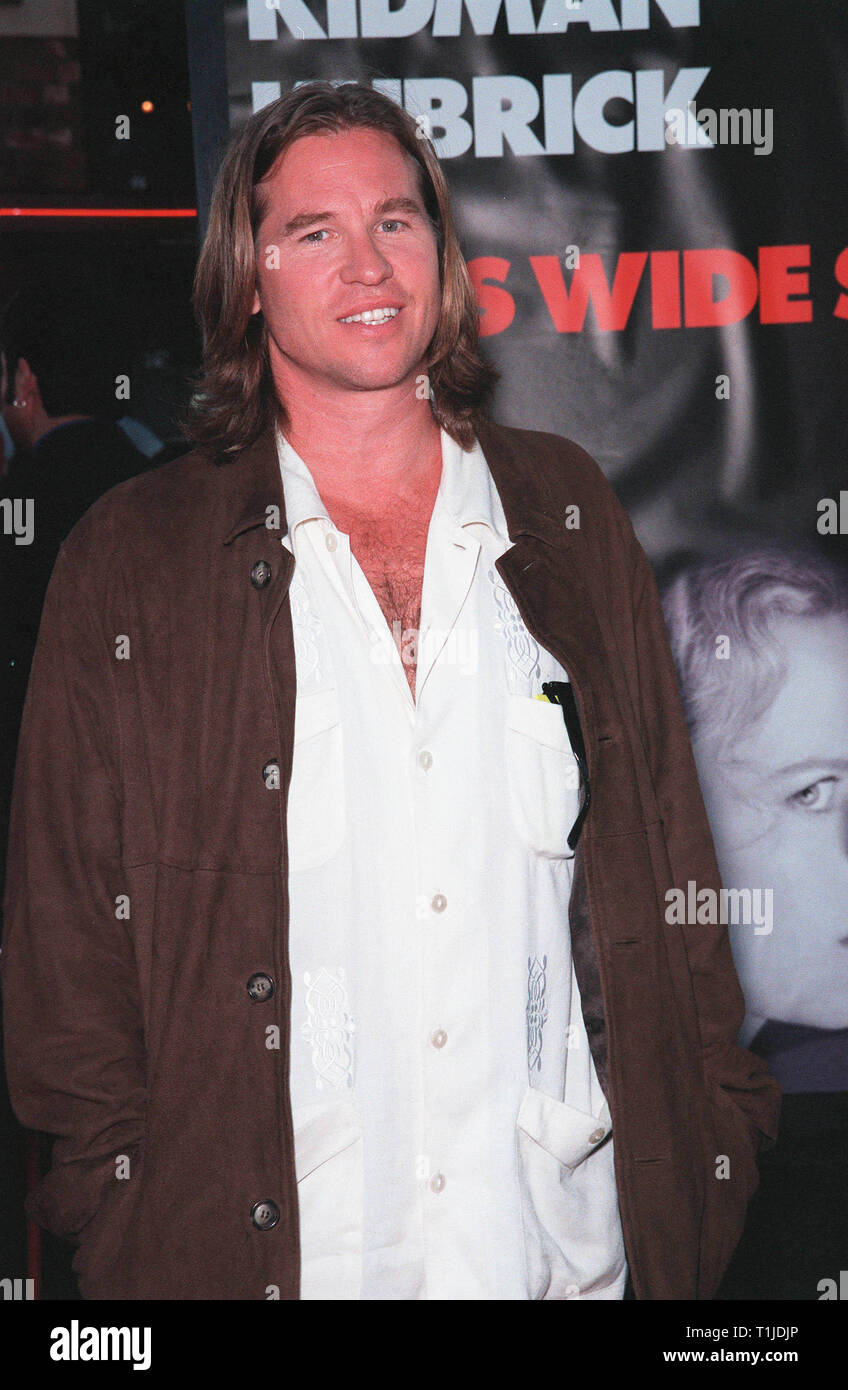
However, the intensity that fueled his performances reportedly created friction on set. Throughout the 1990s and 2000s, rumors of “difficult” behavior became a staple of tabloid coverage, often painting a picture of an artist whose perfectionism alienated collaborators. While these stories have circulated for decades, the recent resurgence of such narratives—some using inflammatory language—reflects a modern tendency to retroactively judge historical figures through a lens of contemporary professional standards. It is important for readers to distinguish between verified professional anecdotes and sensationalized characterizations that emerge long after a subject can no longer defend themselves.
Beyond the Headlines: A Career Defined by Range
To understand the weight of the commentary currently surrounding the late actor, one must look at the breadth of his work. Kilmer was not merely a movie star; he was a trained stage actor with a BFA from the Juilliard School. His commitment to the theater, including productions of Henry IV, Part 1 and ‘Tis Pity She’s a Whore at The Public Theater, demonstrated a deep-seated respect for the craft of acting that often went unrecognized by those focused solely on his blockbuster successes.
His final years were marked by a courageous battle with throat cancer, a diagnosis he received in 2015. Despite the physical toll of his illness, which significantly altered his voice, Kilmer continued to engage with his audience, most notably through his 2021 documentary Val, which offered an intimate, unfiltered look at his health struggles and his long career. This documentary serves as a primary resource for anyone seeking to understand the man behind the headlines, providing a starkly different perspective than the anonymous criticisms that have recently surfaced in various media outlets.
Why Public Perception Shifts Post-Mortem
The phenomenon of “re-evaluating” an actor’s character shortly after their death is a recurring trend in entertainment journalism. When a star like Kilmer—who was famously private about his personal life and often guarded in his interactions—passes away, the vacuum left by his silence is frequently filled by long-standing rumors and re-hashed grievances. These critiques often lack the nuance of the original context, stripping away the professional pressures of high-stakes film production and the personal struggles of an individual battling a severe, life-altering disease.
As we reflect on his contribution to film, it remains essential to maintain a balanced view. While anecdotal reports of personality clashes are part of the historical record of Hollywood, they represent only one facet of a complex life. His impact on the industry, from his portrayal of Doc Holliday in Tombstone (1993) to his final reprise of his role in Top Gun: Maverick (2022), remains a tangible, measurable contribution to global culture that stands independent of subjective character assessments.
Key Takeaways on the Life of Val Kilmer
- Professional Stature: A Juilliard-trained actor with a diverse portfolio spanning comedy, drama, and action, grossing over $3.85 billion in global box office receipts.
- Health Advocacy: Following his 2015 cancer diagnosis, Kilmer became an open voice for those dealing with vocal impairments and long-term illness.
- Documentary Insight: His 2021 film Val remains the most reliable primary source for understanding his personal journey and perspective on his career.
- Legacy Assessment: The current discourse reflects a broader, often polarized, trend of posthumous celebrity evaluation that frequently conflates professional reputation with personal character.
For those interested in the official record of his work and life, the official estate website continues to host archives and reflections on his various projects. As time moves forward, the noise surrounding his personal reputation will likely fade, leaving behind the work that defined his place in cinematic history. We invite our readers to share their own perspectives on his performances and the impact his films have had on their lives in the comments section below.