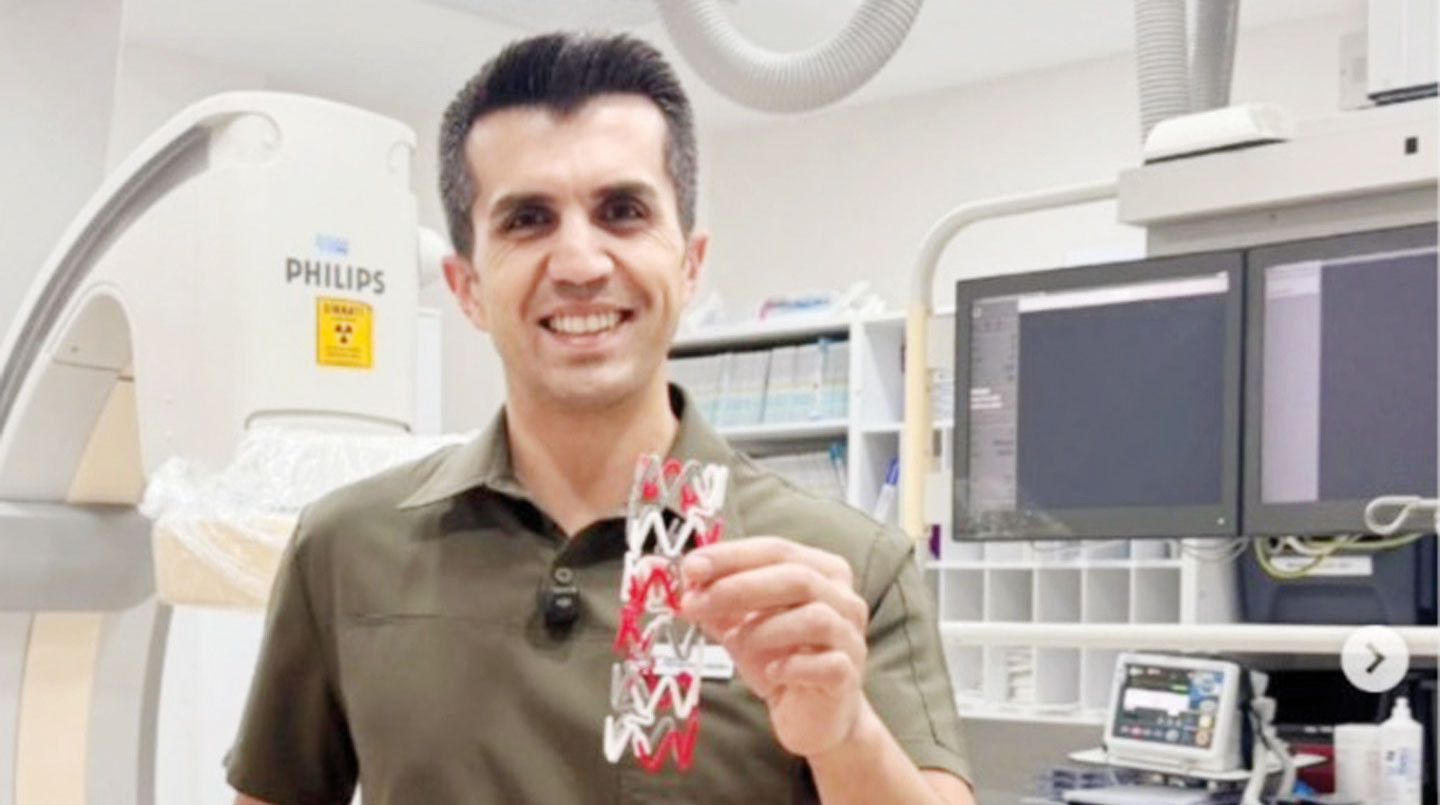
In the evolving landscape of interventional cardiology, the pursuit of more physiological approaches to treating coronary artery disease has led to significant innovations. Among these is the development of the coronary bioadapter, a technology designed to move away from the traditional, rigid metallic stents that have been the standard of care for decades. As a physician, I have long followed the shift toward scaffolds and devices that aim to restore the natural movement of the artery rather than simply propping it open with a permanent metal cage.
The concept of a bioadapter centers on the principle of “vasomotion”—the ability of a blood vessel to expand and contract naturally in response to blood flow and physiological demands. Traditional drug-eluting stents (DES) are effective at keeping an artery patent, but their structural rigidity can inhibit this essential movement, potentially leading to long-term vascular complications. By utilizing a scaffold that provides temporary support and then allows the artery to regain its inherent functionality, researchers are working to improve long-term patient outcomes in cardiovascular care.
Understanding the Shift: From Rigid Stents to Bioadaptive Technology
For many years, the gold standard for treating narrowed or blocked coronary arteries has been the implantation of drug-eluting stents. These devices utilize a metallic mesh—typically made of cobalt-chromium or platinum-chromium—coated with a polymer that releases medication to prevent the tissue from overgrowing and re-blocking the vessel (restenosis). While highly effective in preventing acute closure, these stents remain in the body permanently, which can lead to chronic inflammation or mechanical stress on the vessel wall.
The bioadapter represents a departure from this “permanent implant” philosophy. Unlike conventional stents, which are designed to be rigid to prevent recoil, bioadaptive devices are engineered to be dynamic. According to clinical evaluations reported by the American College of Cardiology, these devices are designed to unlock after the initial healing period, allowing the artery to pulsate and expand in response to physiological changes. This capability is intended to address the limitations of static metallic scaffolds, which have been linked in some longitudinal studies to adverse events related to the permanent presence of the hardware.
How Bioadapters Function in Coronary Intervention
The technical innovation of the bioadapter lies in its unique mechanical design. During the initial phase following implantation, the device functions similarly to a traditional stent, providing the necessary scaffolding to support the vessel during the critical healing process. However, the device incorporates a mechanism that allows for controlled expansion as the vessel heals.

This “unlocking” process is a critical feature. By enabling the artery to return to its natural state of vasomotion, the device aims to reduce the mechanical stress placed on the vessel wall. Research indicates that the ability of a coronary artery to dilate and constrict is vital for maintaining healthy blood flow, particularly during physical activity or stress. When a vessel is restricted by a rigid stent, this natural response is lost, which can contribute to long-term vascular dysfunction. The Cardiovascular Research Foundation has noted that these devices are being evaluated for their potential to provide the benefits of a stent while restoring the physiological behavior of the native vessel.
Key Considerations for Patients and Clinicians
While the prospect of bioadaptive technology is promising, We see important for patients and clinicians to understand that these devices are still part of a rigorous clinical evaluation process. The transition from established metallic stents to newer, dynamic scaffolds requires extensive data on long-term safety and efficacy. Cardiovascular health is highly individual, and the selection of the appropriate interventional device depends on a variety of factors, including the location and complexity of the lesion, as well as the patient’s overall cardiovascular risk profile.
Patients currently managing coronary artery disease should consult their interventional cardiologist regarding the latest treatment options. As these technologies move through the regulatory and clinical trial phases, the medical community continues to monitor outcomes such as target lesion failure, late stent thrombosis, and the overall quality of life for patients receiving these newer devices. Information regarding ongoing trials and approved medical devices can be found through official bodies such as the U.S. Food and Drug Administration (FDA) or the European Medicines Agency (EMA), which provide oversight on the safety of cardiovascular interventions.
Future Directions in Cardiovascular Innovation
The move toward bioadaptive devices is reflective of a broader trend in medicine: the shift toward “restorative” rather than “substitutive” care. In the past, the goal was simply to restore patency to a blocked artery. Today, the goal is to restore function. By focusing on the mechanical interaction between the device and the arterial wall, researchers are hoping to minimize the long-term footprint of coronary interventions.

As we look toward the future, the integration of these devices into standard practice will likely depend on the strength of long-term clinical data. Large-scale, randomized controlled trials are essential to determine whether the benefits of bioadapters in restoring vasomotion translate into a meaningful reduction in long-term cardiovascular events compared to the current generation of thin-strut, drug-eluting stents. For now, the field remains an area of active, high-impact research that underscores the importance of continued innovation in the treatment of heart disease.
If you or a loved one are concerned about cardiovascular health, I encourage you to stay informed through reputable medical organizations and to have open, detailed discussions with your care team about the latest advancements. For those interested in the latest clinical updates, the European Society of Cardiology provides extensive resources on the current standards of care and emerging technologies in interventional cardiology. We welcome your thoughts and questions below as we continue to track these developments in medical science.
Related reading