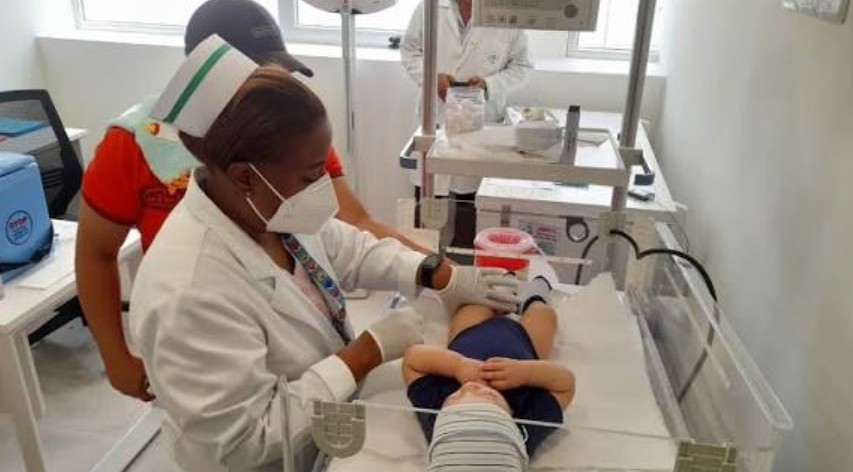
Panama plans to roll out the respiratory syncytial virus (RSV) monoclonal antibody immunization program by late August 2026, according to public health reports following urgent appeals from medical societies. The decision comes amid severe seasonal pressures on pediatric intensive care units and mounting infant fatalities linked to the virus.
Medical associations across Panama pressed health authorities for immediate preventive protocols after pediatric facilities reported a surge in severe respiratory infections. Data from the Hospital del Niño showed that RSV accounts for 45% of all admissions to its pediatric intensive care unit, underscoring the heavy toll the virus takes on infants under the age of five.
The upcoming late-August deployment of the monoclonal antibody aims to provide passive immunity directly to infants before peak transmission seasons overwhelm regional healthcare infrastructure.
Pediatric ICU Pressures and Mortality Rates
The urgency behind the immunization timeline stems from critical hospitalization data collected during recent viral waves. According to reports from national media outlets including La Prensa Panamá, RSV has contributed to the deaths of 13 children in the country, with 12 of those fatalities occurring in minors under five years of age.
Medical gremios and pediatric societies warned that standard supportive care alone cannot shield newborns from rapid clinical deterioration once infected. The concentration of severe cases in intensive care units drained specialized staffing and equipment resources, prompting unified calls from healthcare professionals for preventative biological agents rather than reactive treatments alone.
Monoclonal antibodies like nirsevimab offer targeted passive immunization, neutralizing the virus before it can replicate and cause lower respiratory tract infections such as bronchiolitis and pneumonia. Health authorities selected the late August target to synchronize distribution just ahead of historical peaks in respiratory illness activity.
Medical Gremios Demand Accelerated Protocols
Before the official immunization schedule was announced, organized medical societies issued public statements urging the Ministry of Health to expedite procurement and rollout. Coverage from outlets like Infobae highlighted that doctors viewed delayed implementation as an avoidable risk to newborn survival rates during high-transmission months.
Next Steps and Official Guidance
The Ministry of Health plans to release detailed distribution guidelines, priority group tiers, and vaccination site locations as the late August 2026 deployment date approaches. Parents and caregivers should consult official Ministry of Health announcements or speak with their pediatricians to verify eligibility criteria for newborns.
We invite our readers to share their thoughts or experiences regarding pediatric health policies in the comments below. Join the conversation and share this article to help spread awareness about RSV prevention.
Related reading