
As the clay court season reaches its high-stakes crescendo in Paris, the narrative surrounding the Roland Garros tournament has shifted toward the professional experiences of the athletes navigating the grueling schedule. Among those making headlines is Czech tennis star Kateřina Siniaková, who has recently drawn attention not only for her competitive performance on the court but for her candid commentary regarding the logistical and organizational challenges faced by players during the Grand Slam.
For tennis enthusiasts and followers of the professional circuit, Siniaková’s journey through the 2024 Roland Garros tournament provides a compelling look at the realities of life on the WTA Tour. Beyond the baseline, discussions regarding tournament scheduling, court assignments, and the evolving nature of athlete collaboration have highlighted the complex dynamics between organizers and the elite competitors who define the sport. As an editor who has followed the professional tennis landscape for over 13 years, these conversations are vital to understanding the current state of international competition.
The 2024 French Open, officially organized by the Fédération Française de Tennis, represents one of the most demanding physical tests in professional tennis, held annually at the Stade Roland-Garros in Paris. Detailed information regarding tournament schedules, live scoring, and player statistics can be found through the official Roland Garros website.
Navigating the Demands of a Grand Slam
The competitive path at Roland Garros is notoriously difficult, requiring players to maintain peak performance over two weeks of high-intensity matches. For Siniaková, a seasoned professional with multiple Grand Slam titles in doubles, the tournament environment has been a focal point of recent media discussions. The Czech player has publicly addressed the necessity of receiving equitable treatment regarding court scheduling—a perennial issue for players balancing singles and doubles commitments.
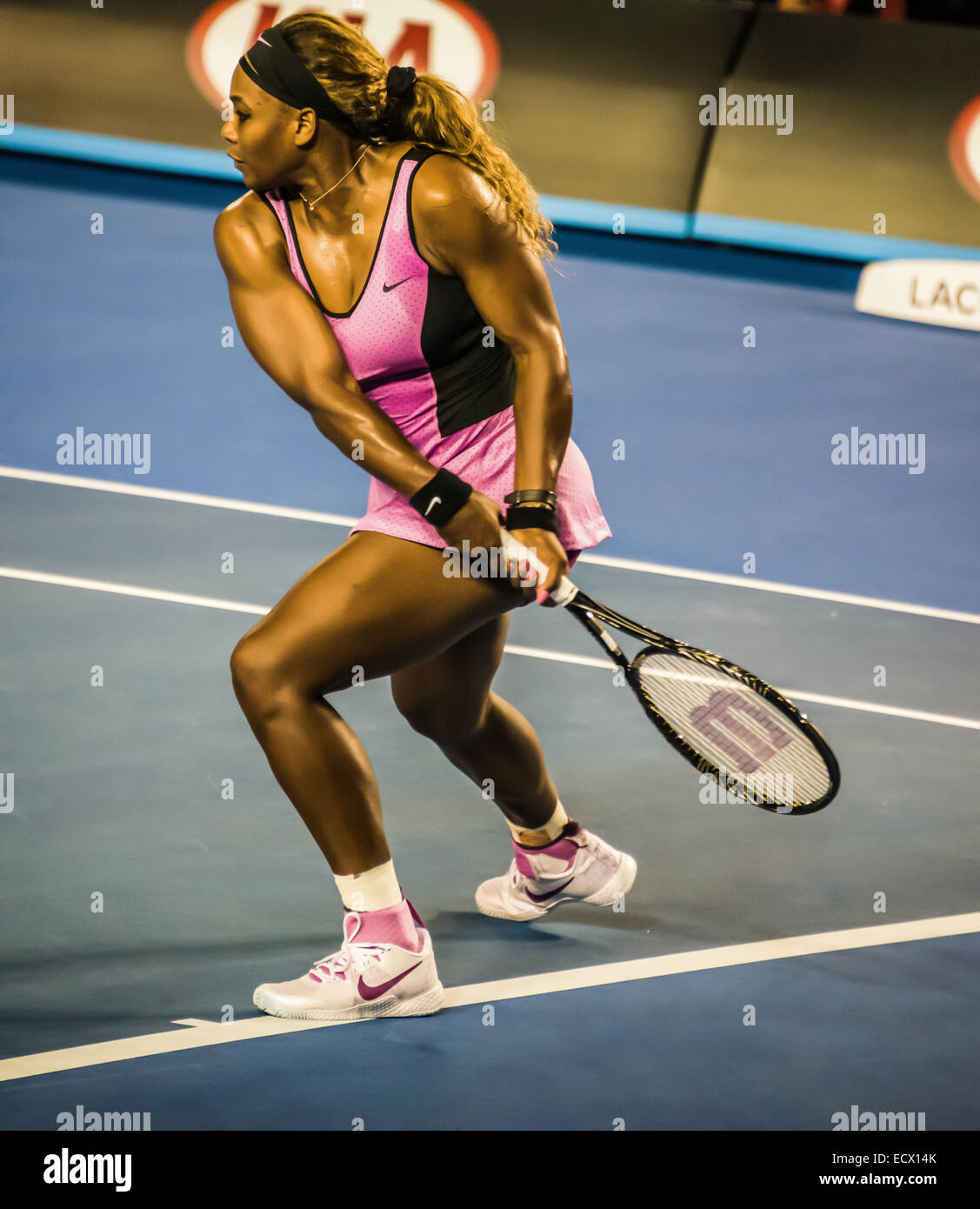
The logistical management of a tournament of this scale involves thousands of personnel and complex broadcasting requirements. According to the Fédération Française de Tennis (FFT), which oversees the event, the tournament’s scheduling committee must balance player preferences, weather disruptions, and television broadcast windows. Siniaková’s recent remarks underscore the importance of player-organizer communication in ensuring that athletes can perform at their best during the most critical stages of the tournament.
Beyond the Court: Professional Opportunities and Collaboration
The discourse surrounding Siniaková has also touched upon the broader tennis ecosystem, including the potential for high-profile collaborations. Reports have emerged detailing outreach from tennis icons regarding potential partnerships, reflecting Siniaková’s stature as a top-tier doubles specialist. While specific plans for future exhibition matches or professional pairings remain subject to scheduling and injury management, these discussions illustrate the collaborative spirit that persists even at the highest levels of the sport.
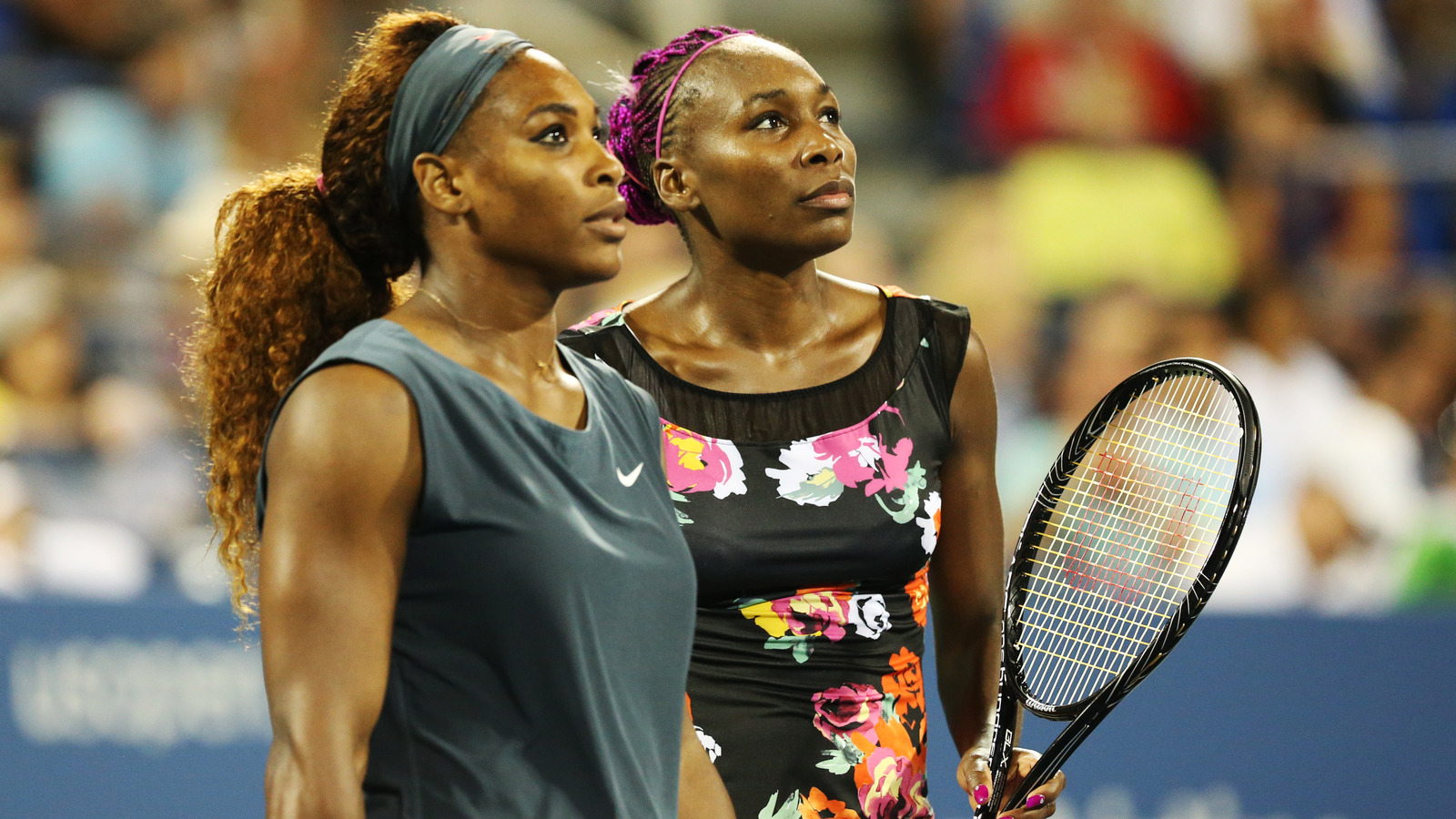
In the professional tennis world, such interactions are standard as players look toward future events, including the transition to the grass-court season and the upcoming Olympic Games. The International Olympic Committee (IOC) provides official updates on qualification and tennis tournament structures via their Paris 2024 Olympic portal, which remains a primary resource for athletes and fans alike as they look ahead to the summer games.
Understanding the Current Tennis Landscape
For fans looking to stay informed, the following points summarize the current state of affairs at the conclusion of the major clay-court cycle:
- Scheduling Challenges: Players often advocate for improved transparency in court assignments to ensure adequate recovery time between matches.
- Double Duty: Athletes competing in both singles and doubles categories face unique logistical burdens, often requiring significant coordination with tournament officials.
- Athlete Advocacy: Increased vocalization from players regarding tournament conditions is becoming a standard feature of modern professional tennis, aimed at improving the overall experience for the next generation of competitors.
- Future Planning: As the season progresses, players are already evaluating their calendars for upcoming ATP and WTA events, with a focus on maximizing recovery and competitive readiness.
As the tennis world moves forward, the insights provided by players like Siniaková serve as a reminder that the sport is as much about the management of human performance as it is about the statistics recorded on the scoreboard. We encourage our readers to share their thoughts on the evolving relationship between tournament organizers and the players who make the magic happen on the court. What steps do you believe are necessary to improve the athlete experience at major Grand Slam events? Join the conversation in the comments section below.
The next major checkpoint for the professional tennis circuit will be the lead-up to the grass-court season, with official entry lists and tournament updates expected to be published by the WTA and ATP in the coming weeks. Stay tuned to our sports section for ongoing coverage of these developments.
Worth a look