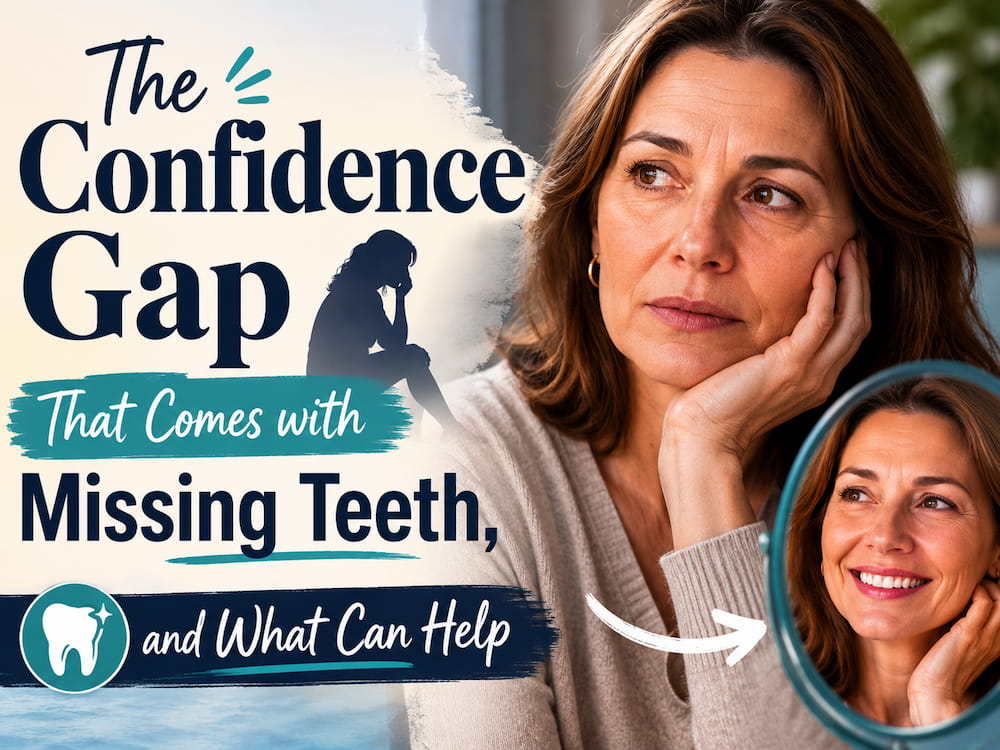
For many, the impact of missing teeth extends far beyond the aesthetic concern of an incomplete smile. It often manifests in the quiet, daily moments that define our social comfort: the hesitation before laughing in a group, the self-consciousness during a conversation, or the careful selection of softer foods at dinner to avoid discomfort. Over time, these small adjustments can create a significant confidence gap, affecting how an individual carries themselves in both professional and personal settings.
As a physician, I have observed that this is not merely a matter of vanity. Teeth are essential components of our anatomy, playing a foundational role in speech, facial structure, and nutrition. When we experience tooth loss, the resulting changes in oral function can lead to a gradual shift in behavior, where the individual begins to prioritize avoiding discomfort over participating fully in life. Addressing this issue, often through modern restorative solutions like dental implants, is about more than just replacing a missing tooth—This proves about restoring the fundamental ability to speak, eat, and smile with ease.
The Anatomy of the Confidence Gap
The emotional and social toll of tooth loss is frequently cumulative. It often begins with minor discomfort in specific situations, such as avoiding photos or becoming hyper-aware of one’s mouth while speaking. These behaviors can quickly become habits, leading to a diminished sense of self-assurance. When someone is constantly managing how they smile, chew, or speak, it consumes a surprising amount of mental energy, which can affect their overall mood and willingness to engage with others.
Beyond the emotional weight, there is a distinct physiological impact. When a tooth is lost, the underlying jawbone—no longer receiving the stimulation from the tooth root—may begin to deteriorate. This process, known as bone resorption, can alter the shape of the jaw and, the facial structure over time. Neighboring teeth may begin to shift into the empty space, which can lead to misalignment and complicate oral hygiene, thereby increasing the risk of cavities and gum disease. Maintaining oral health is a critical component of systemic wellness, and addressing gaps early can prevent more complex dental issues later.
Restorative Solutions and Modern Dentistry
Modern restorative dentistry offers several ways to address tooth loss, with dental implants often considered a highly effective, long-term solution. Unlike traditional dentures or bridges, which may rest on the gums or rely on adjacent teeth for support, a dental implant acts as an artificial tooth root. By being surgically placed into the jawbone, an implant facilitates a process called osseointegration, where the biocompatible material—typically titanium—fuses with the bone tissue. This provides a stable, durable foundation for a crown, bridge, or denture, mimicking the function and appearance of natural teeth.
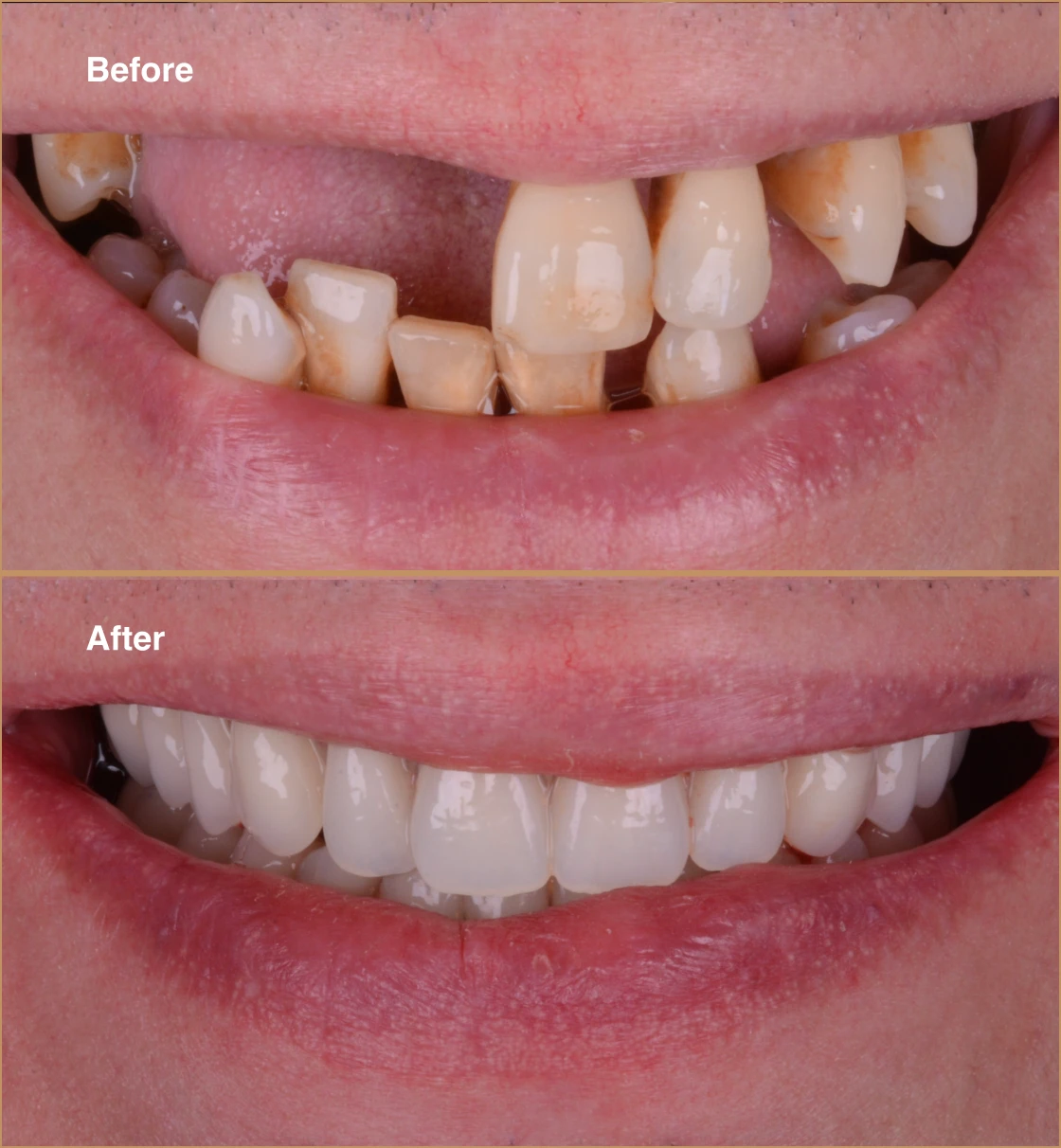
The stability provided by implants is a primary benefit for patients. Because the implant is anchored directly into the jaw, it offers a secure biting surface, allowing individuals to eat a wider variety of foods without the worry of movement or slippage. Because they stimulate the jawbone, implants help preserve the bone’s density and structure, which is vital for long-term facial support. While every patient’s oral health profile is unique, consulting with a dental professional allows for a comprehensive assessment of bone density, gum health, and overall treatment goals to determine the most appropriate path forward.
Reclaiming Comfort and Daily Function
Confidence is frequently a byproduct of comfort. When an individual no longer has to navigate the limitations imposed by a missing tooth, they often find that their social anxiety decreases. The ability to order from a menu without checking for “safe” foods, or the freedom to laugh without hesitation, represents a return to a more natural state of living. These moments of relief are not just about dental health. they are about reclaiming the freedom to be oneself.
It is important to emphasize that seeking professional advice is the most effective first step. Many people feel embarrassed or anxious about discussing tooth loss, yet dental professionals manage these concerns routinely. A clinical consultation typically involves a thorough evaluation of the bite, jawbone, and surrounding dental health to create a personalized treatment plan. Whether the solution involves implants, bridges, or other restorative measures, the focus should always be on long-term wellbeing and restoring function.
Moving Beyond the Gap
Tooth loss does not have to be a permanent barrier to one’s quality of life. By understanding the physical and emotional impacts of an incomplete smile, patients can move from a state of self-consciousness toward one of ease and confidence. If you have been living with a missing tooth, whether it is a recent development or a long-standing issue, scheduling a professional evaluation is a proactive way to invest in your future health.

Modern dental innovations have made it possible to restore not just a tooth, but the confidence that comes with a healthy, functioning mouth. Remember, the best approach is one that is transparent, respectful, and centered on your personal health goals. If you have questions about your own oral health, I encourage you to consult with your local dentist to discuss your options and take the first step toward a more comfortable, confident smile.
Have you found this overview of restorative dental health helpful? We invite you to share your thoughts or questions in the comments section below. For more insights on medical innovations and public health, be sure to explore our full archive of health articles.