
The landscape of home automation continues to evolve, moving beyond simple voice commands and basic lighting controls toward more integrated, context-aware environments. The latest entry into this space, the SwitchBot Weather Station, aims to bridge the gap between environmental monitoring and the broader smart home ecosystem. By consolidating climate data, connectivity with existing IoT devices, and personal scheduling into a single interface, the device represents a shift toward more holistic domestic management.
For those familiar with the smart home market, the challenge has rarely been the lack of data, but rather the fragmentation of that information. Users often find themselves toggling between weather apps, thermostat controls, and digital calendars. The SwitchBot solution attempts to centralize these touchpoints, allowing for automated responses based on both external conditions and internal preferences. As we look at how these systems integrate into daily life, the focus is shifting from “smart” devices that work in isolation to “intelligent” systems that understand the relationship between a user’s environment and their daily routine.
Integrating Environmental Data with Smart Home Automation
At its core, the SwitchBot Weather Station functions as a central hub for environmental monitoring. By tracking temperature, humidity, and atmospheric pressure, the system provides real-time data that can trigger other connected hardware. For example, if the sensor detects a drop in humidity within the home, it can communicate directly with a connected humidifier or air purifier to adjust the indoor climate automatically. This level of automation is managed through the company’s proprietary app, which serves as the primary bridge for third-party integrations and local device control, as detailed in the official SwitchBot ecosystem documentation.
The integration of an “agenda” feature is perhaps the most novel addition to this hardware category. By syncing with personal digital calendars, the station can provide context-aware alerts. If a user has an outdoor commute or a scheduled event, the device provides weather forecasts tailored to the specific time and location of that activity. This integration is designed to reduce the need for manual checking, providing a proactive approach to planning one’s day based on the intersection of personal commitments and meteorological changes.
Technical Capabilities and Ecosystem Synergy
The device operates within the broader SwitchBot ecosystem, which has gained traction for its focus on retrofitting existing “dumb” appliances—such as curtain tracks, light switches, and locks—with smart control. The inclusion of a weather station acts as a sensory input layer for this network. According to the company’s support and technical resources, the integration relies on a combination of Bluetooth and Wi-Fi connectivity to ensure that data remains accessible both locally and remotely via the cloud.
One of the primary benefits of this multi-modal approach is the ability to create “scenes.” A scene might involve the blinds automatically opening when the morning sun is detected, or the air conditioning activating based on a combination of external temperature readings and the user’s arrival time at home. By utilizing the weather station as a trigger, users can move beyond simple timer-based automation to condition-based automation, which is inherently more energy-efficient and responsive to real-world variables.
Key Features of the Intelligent Weather Interface
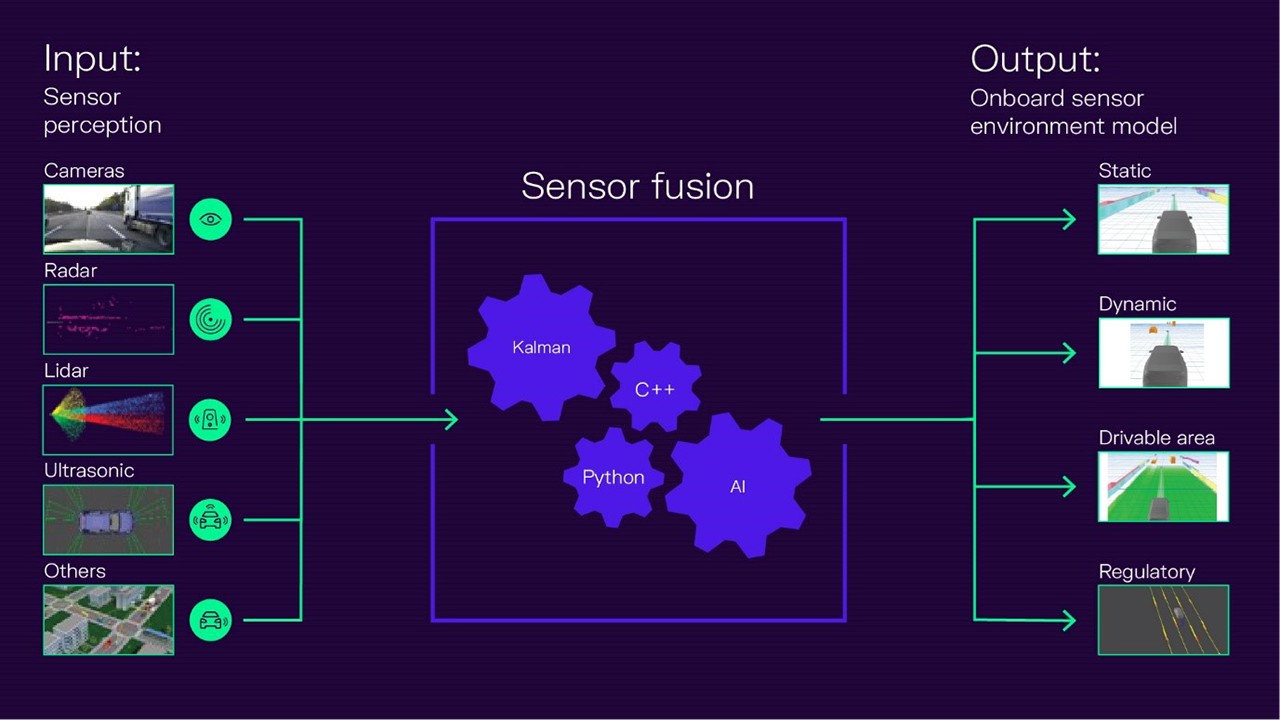
- Real-time Sensor Fusion: Monitoring of indoor and outdoor climate variables to inform automated HVAC responses.
- Calendar Synchronization: Cross-referencing weather forecasts with personal appointments for proactive planning.
- Ecosystem Interoperability: Seamless connection with existing SwitchBot products, including curtain robots, smart locks, and infrared remotes.
- Energy Management: Potential for reduced power consumption by optimizing heating and cooling based on actual environmental fluctuations.
The Future of Domestic Intelligence
As smart home technology matures, the expectation from consumers is that these devices should not merely be “connected,” but genuinely helpful. The SwitchBot Weather Station is indicative of a broader trend in the industry: the transition from novelty gadgets to utility-focused infrastructure. While the market remains competitive, with established players like Netatmo and various Zigbee-based sensor arrays, the strength of the SwitchBot model lies in its accessibility and the ease with which a user can build a comprehensive system without needing deep technical expertise.
For current users, the next steps involve ensuring that their existing firmware is updated to support the latest integration protocols. The company regularly releases official updates and release notes regarding device compatibility, which remain the most reliable source for information on how to maximize the utility of the station. As the platform continues to grow, we can expect further refinements in how the device handles data privacy and local processing, both of which are becoming critical pillars of the modern smart home experience.
We will continue to monitor updates regarding firmware enhancements and new integrations as they are announced by the manufacturer. If you have questions about setting up your own automated climate scenes or want to share your experience with the SwitchBot ecosystem, please leave a comment below or join the discussion on our community forums.
Related reading