
As the computing landscape continues to shift toward Apple’s custom silicon architecture, the company has begun the final phase of its transition away from Intel-based hardware. For owners of older Mac models, this marks a significant milestone in the lifecycle of machines that defined a decade of Apple’s desktop and laptop strategy. Apple has confirmed that macOS 26, known internally and in industry discourse as “Tahoe,” will serve as the final major operating system release to offer broad support for Intel-based Macs.
This strategic move signals the beginning of the end for the Intel Mac era, a period that began when Apple transitioned away from PowerPC processors in 2006. As we look toward the future of the macOS ecosystem, the focus is clearly on the performance and efficiency gains afforded by the M-series chips, which have now become the standard across the entire Mac product lineup. For developers and power users, understanding the timeline for this transition is essential for maintaining software compatibility and hardware reliability.
The Sunset of Rosetta 2 Support
Central to this transition is Rosetta 2, the translation layer that has allowed applications built for x86_64 Intel processors to run seamlessly on Apple silicon. Since the introduction of the M1 chip in 2020, Rosetta has been the bridge that ensured users could continue using their existing software libraries while the developer ecosystem migrated to ARM-based binaries. According to Apple’s current software roadmap, Rosetta support is slated to continue through the lifecycle of macOS 27, after which the company intends to narrow its scope significantly.
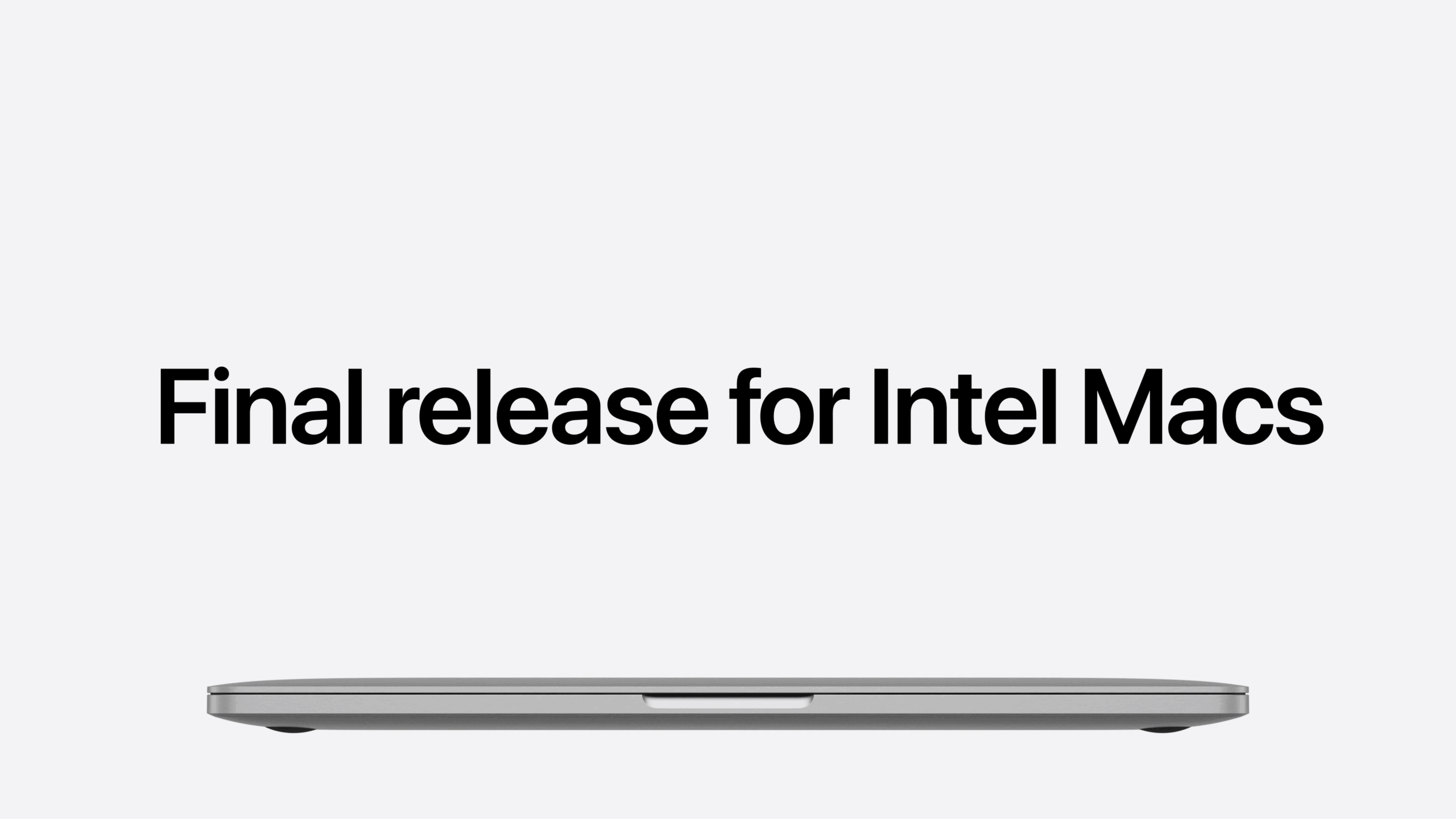
This “narrowing” of support reflects a broader industry trend where legacy compatibility is gradually phased out to optimize system performance and security. By reducing the overhead required to maintain translation layers, Apple is positioning its future macOS releases to take full advantage of the unique architectural capabilities of its proprietary silicon. For users, this means that while their Intel Macs will remain functional, they will eventually reach a point where new software features and security updates will no longer be available on that hardware.
What This Means for Mac Users
The transition away from Intel hardware is not an overnight event but a carefully managed process. Apple’s decision to provide a clear roadmap—marking macOS 26 as the final major release for Intel platforms—gives enterprise users and individual consumers time to plan their hardware refresh cycles. As of the 2025 fiscal year, Apple reported a total asset value of US$359 billion, bolstered by a strong ecosystem of hardware products including the Mac, which continues to be a cornerstone of the company’s revenue stream as detailed in official company filings.
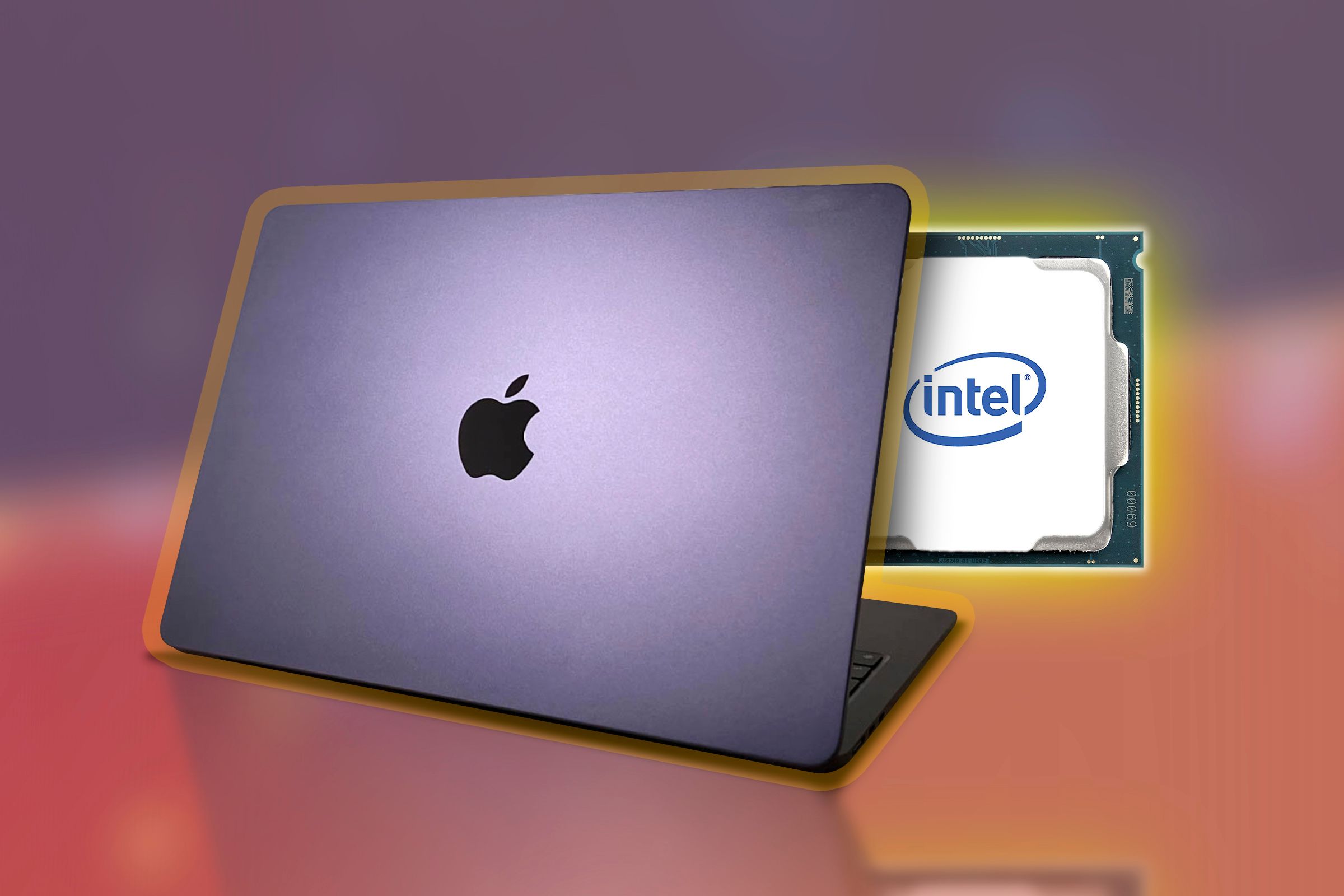
For those currently utilizing Intel-based Macs, the immediate impact is minimal. Machines currently in use will continue to run their existing software, and the transition period through macOS 27 ensures that critical applications will remain operational for the foreseeable future. However, as software developers increasingly prioritize native Apple silicon versions of their applications, the utility of Intel-based machines will naturally diminish. Users are encouraged to monitor official Apple support pages for the latest documentation regarding hardware compatibility and software updates.
Strategic Shift Toward Custom Silicon
The move to move away from Intel is a continuation of the strategy initiated under CEO Tim Cook, who has overseen the company’s expansion into proprietary hardware and integrated software services. With the announcement of the M5-powered MacBook Air and M4-powered iPad Air, Apple has demonstrated a commitment to rapid iteration cycles that Intel’s previous roadmaps struggled to match in terms of power-per-watt efficiency per recent product announcements from the company. This shift has not only improved the performance of consumer electronics but has also allowed for deeper integration between software and hardware, such as in the development of the Apple Vision Pro and advanced iCloud services.
As the company prepares for the upcoming Worldwide Developers Conference (WWDC26), which is scheduled for June 8–12, developers will likely receive more granular details regarding the sunsetting of Intel support and the best practices for transitioning legacy codebases. This conference serves as the primary venue for Apple to align its developer community with the technical requirements of future OS releases.
Key Takeaways for the Transition
- Final Major Release: macOS 26 “Tahoe” is designated as the final major version to support Intel-based Macs.
- Rosetta Longevity: Translation support via Rosetta will remain active through the release of macOS 27, providing a buffer for legacy software users.
- Hardware Lifecycle: Intel-based Macs remain supported for the current window, but users should begin evaluating hardware refresh timelines.
- Developer Focus: Future software development is increasingly centered on native Apple silicon to leverage performance and security features.
The transition away from the Intel era represents a definitive closing of a chapter for Apple, reflecting the company’s confidence in its own silicon roadmap. While the end of support for Intel hardware may be inconvenient for some, it is a necessary step in the evolution of the platform. By streamlining its architecture, Apple is ensuring that its software can continue to push the boundaries of what is possible in personal computing. As we approach the next cycle of macOS releases, staying informed through official Apple developer resources will be the best way to navigate these changes.
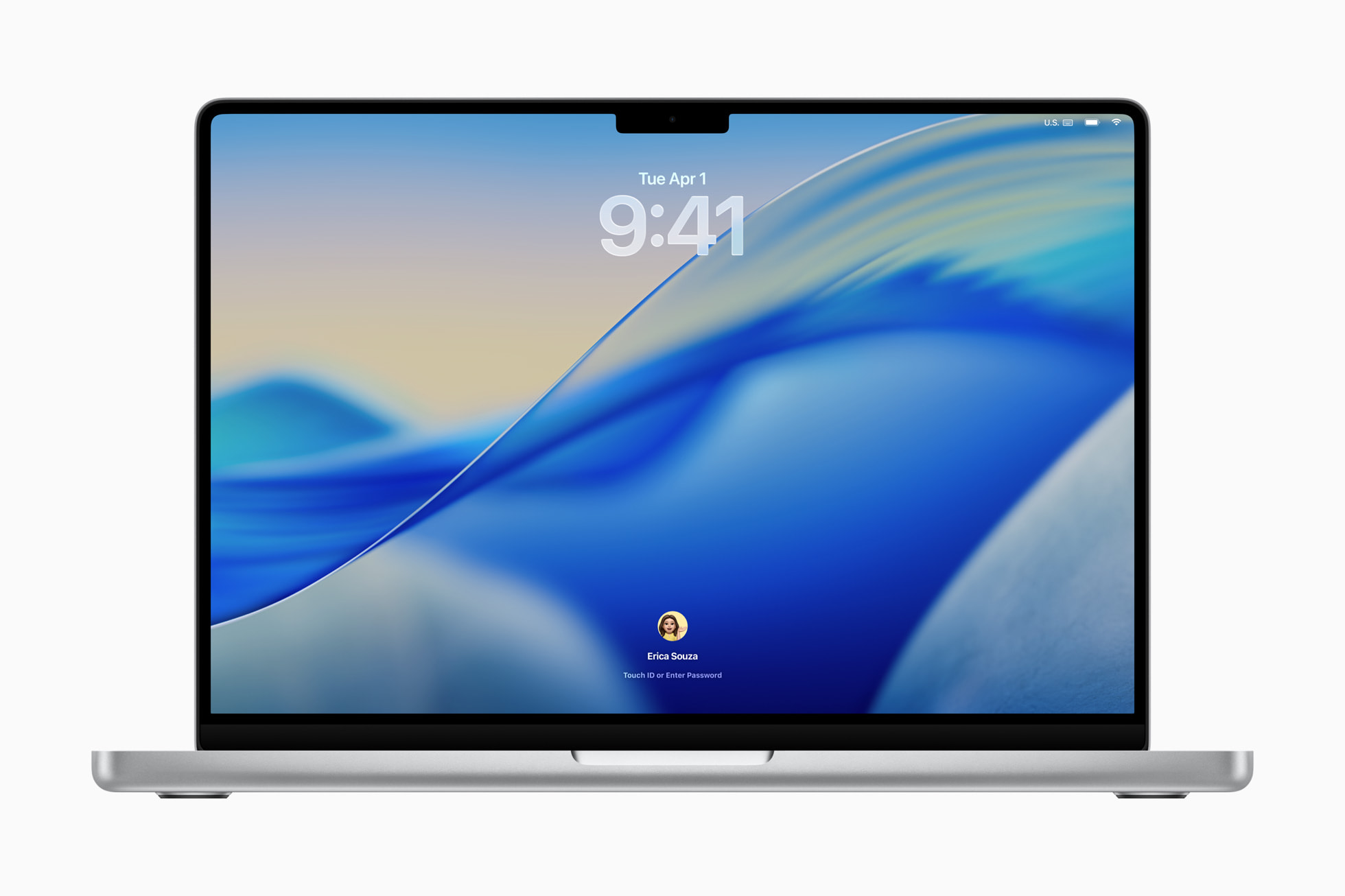
We invite our readers to share their thoughts on this transition in the comments section below. How has the shift to Apple silicon affected your workflow? Are you still relying on Intel-based hardware for your daily tasks? Join the conversation as we track the latest updates leading into WWDC26 and beyond.
Keep reading