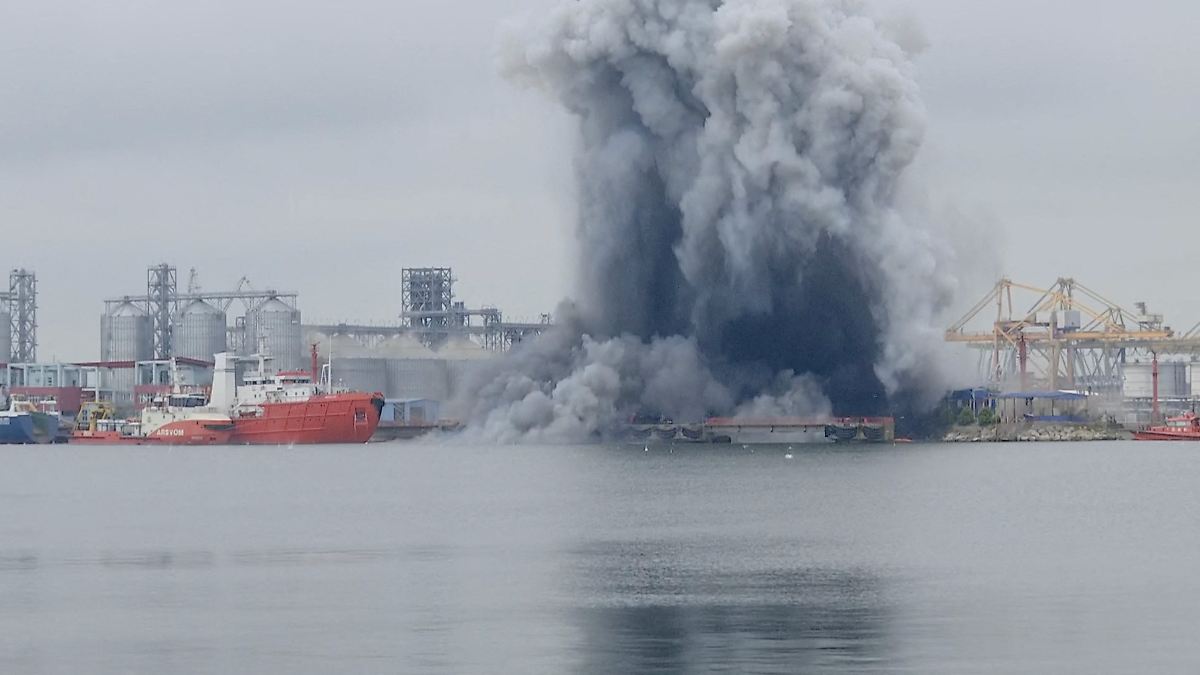
As the conflict in Ukraine continues to reverberate across the Black Sea region, security concerns have intensified following reports of a maritime drone explosion at a port in Romania. The incident, which has drawn immediate attention from regional authorities and international observers, underscores the precarious nature of maritime security in an area that serves as a critical corridor for global trade and a strategic frontier for the North Atlantic Treaty Organization (NATO).
For those of us tracking the geopolitical shifts in Eastern Europe, these developments are a stark reminder of how the war in Ukraine is not confined to land-based frontlines. The presence of uncrewed maritime systems in the vicinity of Romanian coastal infrastructure raises significant questions regarding the safety of international shipping lanes and the potential for unintended escalation in a territory protected by the collective defense commitments of the alliance.
NATO, an intergovernmental military alliance composed of 32 member states from Europe and North America, maintains a mission to defend its member countries and their citizens, as outlined by the official mission statement of the North Atlantic Treaty Organization. The organization serves as a system of collective security, where, under Article 5 of the North Atlantic Treaty, an armed attack against one member is considered an attack against all.
Regional Security and the Black Sea Corridor
The Black Sea has become a primary theater of contention since the escalation of the war in Ukraine. Romania, a NATO member since 2004, has found itself increasingly navigating the complexities of regional instability. The recent reports regarding maritime drones found along the Romanian coast—amidst broader concerns about naval activities in the region—highlight the necessity for constant vigilance among Black Sea nations.
The strategic importance of this region cannot be overstated. With 32 member states, including nations directly bordering the Black Sea, the alliance monitors the maritime environment to ensure the security of its sovereign territory. As noted by the North Atlantic Council’s recent visit to Kyiv on June 3, 2026, the commitment of the alliance to its partners and the integrity of its member states remains a central pillar of its current policy.
Understanding the Role of Maritime Drones
Maritime drones, or uncrewed surface vessels (USVs), have emerged as a significant factor in modern naval warfare. These systems are often utilized for surveillance, reconnaissance, and, in some instances, offensive operations. Their ability to operate with a low profile makes them demanding to track, posing a unique challenge for port authorities and naval forces tasked with protecting coastal infrastructure.
While investigations into the origin and intent of the specific devices found near the Romanian coastline are ongoing, the incident highlights the broader risks posed by stray or directed military hardware in civilian-adjacent waters. The protection of critical infrastructure, such as ports and energy terminals, remains a high priority for the Romanian government and its allies as they assess the security implications of these maritime incursions.
What Happens Next?
The situation remains fluid, and international observers are waiting for official assessments from Romanian authorities and NATO headquarters in Brussels. The focus is currently on forensic analysis of the recovered materials to determine their provenance and operational purpose. For the local population and the shipping industry, the primary concern is the restoration of security and the prevention of further incidents that could disrupt regional stability.
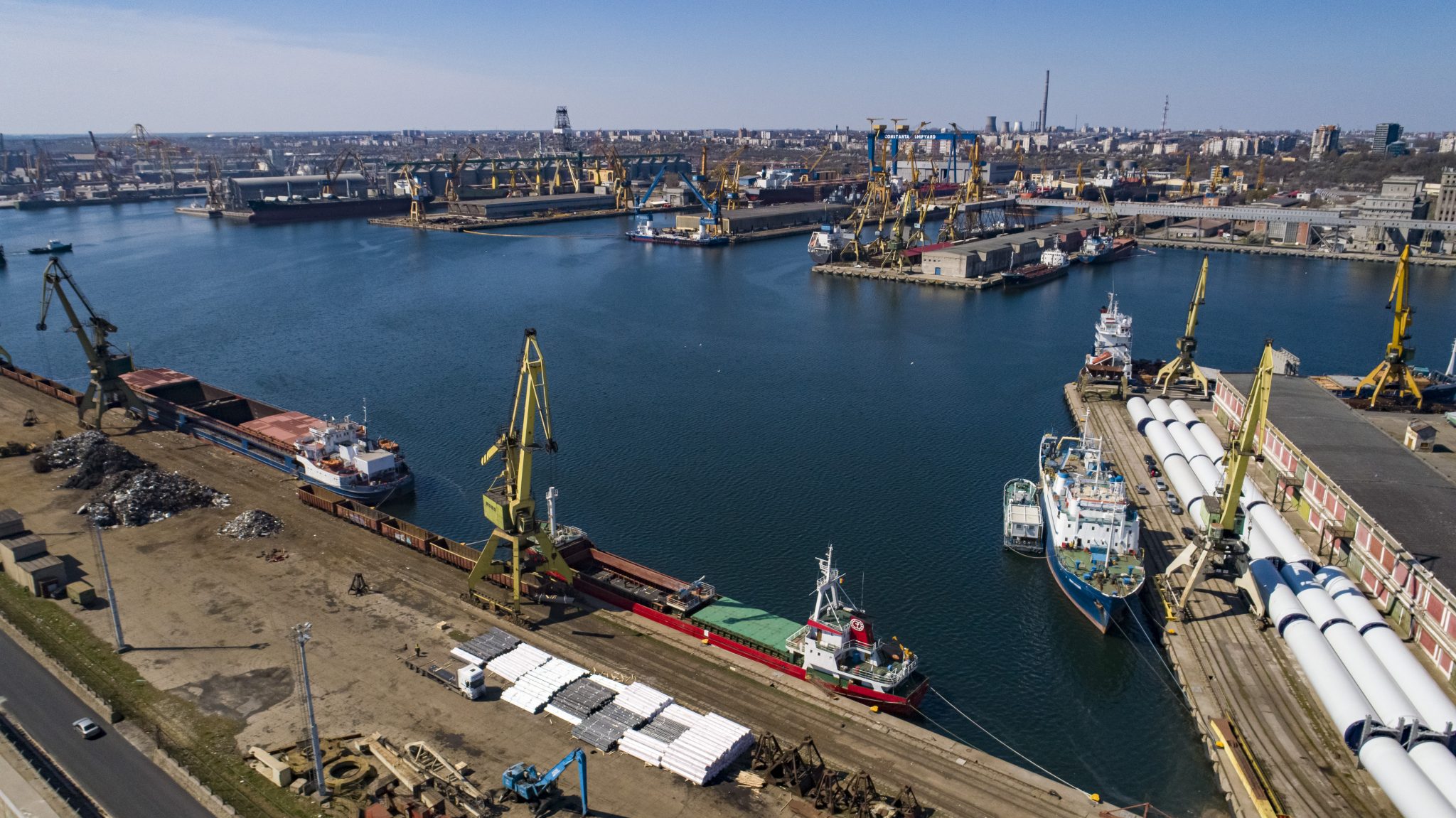
As the investigation proceeds, the alliance is expected to continue its surveillance operations across the Black Sea, coordinating with regional partners to maintain maritime domain awareness. Readers are encouraged to monitor official statements from the Romanian Ministry of National Defence and the NATO Press Office for verified updates as they become available.
We will continue to follow this story closely as more information is confirmed by official sources. We invite our readers to share their perspectives on the evolving security landscape in the Black Sea in the comments section below.
Keep reading