
In a move that underscores the evolving landscape of fiscal transparency and administrative data management, recent discourse in Kerala has centered on the release of a “White Paper.” This document, aimed at detailing the state’s current economic trajectory and financial liabilities, has drawn significant attention for its methodology, specifically the integration of artificial intelligence in processing sensitive departmental data.
As the administration navigates complex budgetary challenges, the use of automated analytical tools to synthesize records from the Finance Department’s internal sections has sparked a robust debate regarding transparency, the role of technology in governance, and the broader implications for public sector management. For observers of Indian regional politics, this development highlights a shift toward data-driven policy assessment, even as it invites scrutiny from political stakeholders regarding the underlying economic strategies being proposed.
Data Analytics and the White Paper Process
The core of the recent discussion involves the systematic review of state financial records. By utilizing AI-driven platforms to analyze data from restricted or “secret” sections of the Finance Department, officials have sought to establish a comprehensive overview of the state’s fiscal health. This approach reflects a growing trend where administrative bodies rely on computational power to handle massive datasets that were previously processed through manual, more time-intensive methods.
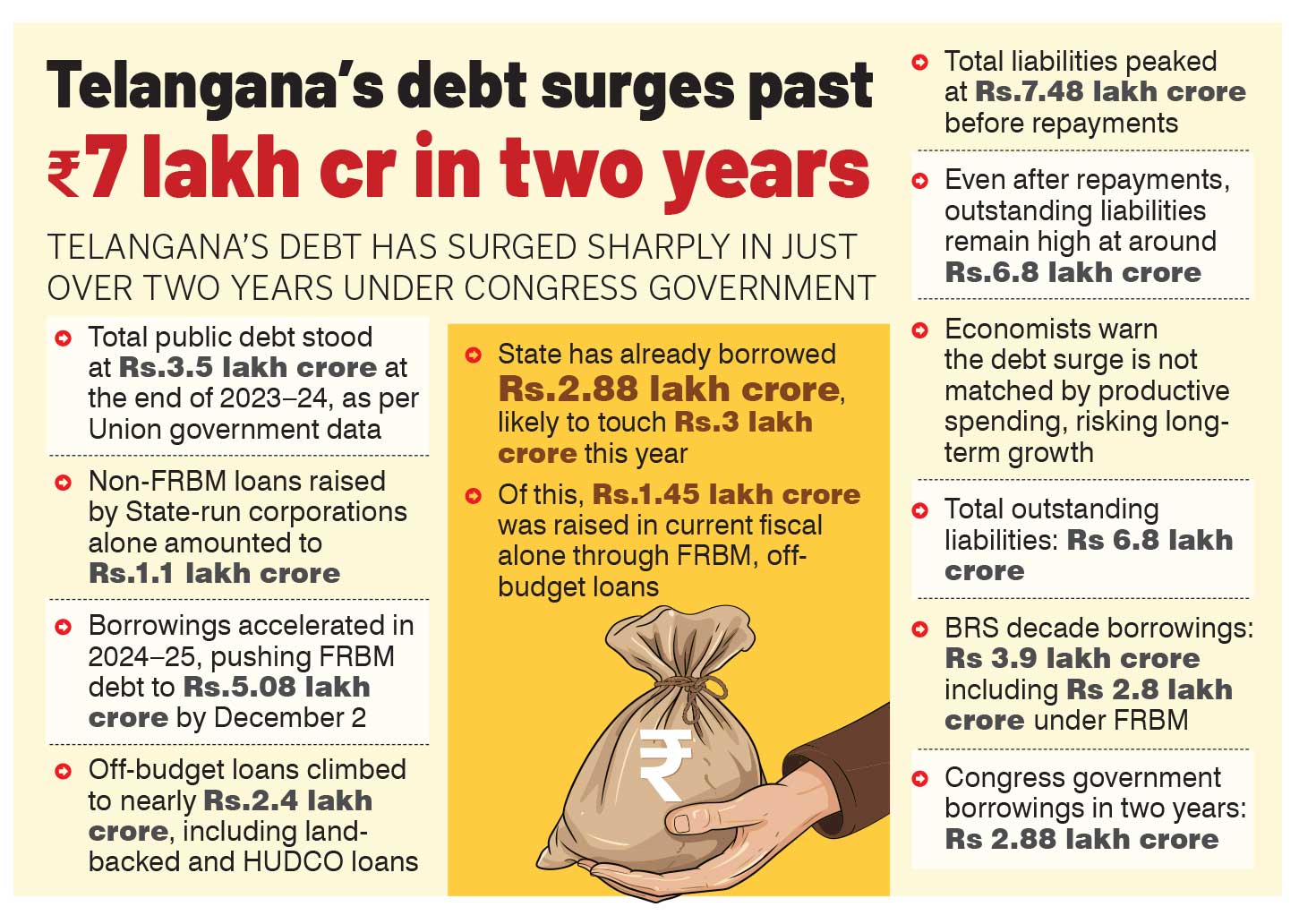
The primary objective of such a document is typically to provide a baseline for economic planning. By quantifying liabilities and revenue streams, the government aims to present a clear picture of the state’s fiscal deficit and long-term debt obligations. However, the reliance on AI has raised questions about the interpretability of the results and the potential for algorithmic bias in how financial data is prioritized or categorized.
Political Perspectives on Fiscal Strategy
The introduction of the White Paper has elicited varied responses from the political spectrum, reflecting deep-seated disagreements over the state’s economic direction. Critics have characterized the findings as a precursor to broader structural reforms, often associated with neo-liberal policy frameworks. These debates are not merely academic; they touch upon the fundamental role of the public sector in welfare-oriented governance.

Public sector management remains a contentious issue, with different political factions offering competing visions for the state’s future. While some argue that data-driven fiscal discipline is essential to avoid a debt trap, others emphasize that such measures should not come at the expense of social welfare programs or the autonomy of public institutions. The tension between maintaining fiscal sustainability and meeting the needs of a growing population remains the central challenge for policymakers in the region.
Understanding the Context of Financial Documentation
In the context of the Indian parliamentary and state legislative systems, a “White Paper” serves as an authoritative report or guide that informs the public and the legislature about a specific policy issue or economic condition. These documents are designed to provide a factual basis for future legislative action or to justify past policy decisions. Historically, such papers have been used to signal a “reset” or to prepare the ground for significant fiscal adjustments.
For the average citizen, the complexity of these financial reports can be daunting. The current focus on debt figures—often cited in the trillions of rupees—illustrates the scale of the challenge. Understanding these figures requires looking beyond the headlines to the underlying economic indicators, such as the debt-to-GSDP (Gross State Domestic Product) ratio and the sustainability of interest payments on borrowed capital. Official updates regarding these metrics are periodically released by the Reserve Bank of India, which provides comprehensive state-level fiscal data for public review.
Key Considerations for the Future
As the conversation continues, several questions remain at the forefront of the public agenda:

- Data Transparency: How will the government ensure that the AI-driven analysis remains transparent and accessible to the legislature and the public?
- Fiscal Sustainability: What concrete steps will be taken to address the rising debt burden identified in the report?
- Policy Alignment: To what extent will the findings of this White Paper dictate future budgetary allocations and social spending?
The intersection of technology and governance is likely to become more pronounced in the coming years. Whether the use of AI in financial auditing will lead to greater efficiency or simply add another layer of complexity to an already opaque process remains to be seen. Stakeholders are encouraged to monitor upcoming legislative sessions where these findings are expected to be debated in greater detail.
As we look toward the next fiscal quarter, the government is expected to provide further clarity on its debt management strategy. We will continue to track these developments and provide updates as more information becomes available through official legislative channels. We invite our readers to share their perspectives on the role of digital data analysis in governance in the comments section below.
Related reading