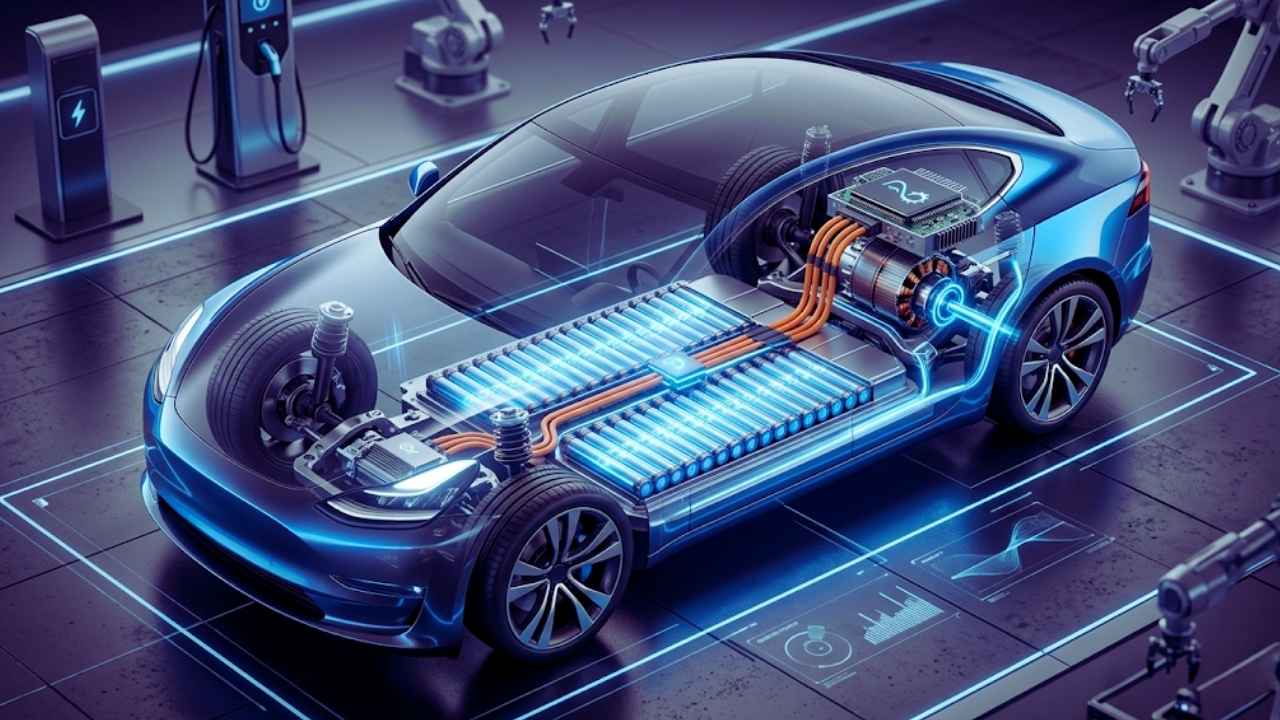
Getting behind the wheel of an electric vehicle (EV) for the first time often feels like stepping into a new era of personal mobility. As you press the start button, the familiar mechanical rumble of an internal combustion engine is replaced by a distinct, quiet readiness. For many drivers, this transition marks not just a change in how a car is fueled, but a fundamental shift in the mechanical philosophy of transportation.
Understanding how electric cars work is essential as the global automotive landscape continues to evolve. While traditional vehicles rely on the controlled explosion of fuel within an engine to generate kinetic energy, electric vehicles utilize a streamlined system of batteries, power electronics, and electric motors to achieve the same result—moving you from point A to point B with significantly fewer moving parts.
The Core Components of Electric Propulsion
At the heart of every electric vehicle is a high-voltage battery pack, typically composed of lithium-ion cells. This pack stores the chemical energy that powers the vehicle. Unlike the gas tank in a traditional car, which feeds liquid fuel into an engine, the battery pack in an EV provides direct current (DC) electricity to the rest of the drivetrain.
Because the motor requires alternating current (AC) to operate efficiently, the vehicle utilizes an inverter. This critical component acts as the “brain” of the power system, converting the DC electricity from the battery into AC for the motor. The inverter also manages the speed and torque of the motor by adjusting the frequency and amplitude of the electrical current, essentially functioning as the accelerator pedal’s translator.
The electric motor itself is a marvel of simplicity compared to internal combustion engines. With far fewer internal components—typically consisting of a stator and a rotor—these motors convert electrical energy into mechanical rotation. Because electric motors provide maximum torque instantly, they offer a driving experience characterized by rapid, smooth acceleration without the need for a multi-gear transmission.
Energy Management and Charging Infrastructure
Managing the energy stored in the battery is a continuous process. When you decelerate or apply the brakes, many electric vehicles employ regenerative braking. This process reverses the function of the motor, turning it into a generator that captures the kinetic energy of the moving vehicle and converts it back into electricity, which is then fed back into the battery pack. This not only helps to extend the vehicle’s range but also reduces wear on the mechanical friction brakes.
For those looking to understand their own local infrastructure, identifying the electric utility provider that services a residence is a foundational step in managing EV charging. In regions like Massachusetts, the Department of Public Utilities (DPU) oversees the regulatory framework for investor-owned electric companies, ensuring that the grid can support the increasing demand for residential charging solutions. Residents can verify their specific service provider through the official state utility portal, which provides clarity on the entities responsible for energy delivery and safety compliance.
Safety and Maintenance in the Electric Age
The transition to electric mobility also changes the standard maintenance routine. Because EVs lack spark plugs, oil filters, timing belts, and complex exhaust systems, owners often find that routine service requirements are reduced. However, the high-voltage nature of these systems means that safety remains paramount. Utility companies and regulatory bodies consistently emphasize the importance of following manufacturer-specific safety protocols when interacting with charging equipment.
Protecting one’s household from potential utility scams has also become an increasingly relevant topic as more consumers engage with energy service providers to install home chargers. Reliable information regarding safety tips and energy management can typically be found on the official websites of regional utility providers, such as National Grid, which offers guidance on navigating account management and protecting residential energy accounts from unauthorized access.
Looking Ahead
The mechanics of electric vehicles represent a move toward greater efficiency and a different kind of mechanical reliability. As technology advances, the integration between the vehicle and the electrical grid is expected to become more sophisticated, potentially allowing cars to serve as mobile energy storage units. For the average driver, the focus remains on the simplicity of the experience: plugging in, charging, and enjoying the near-silent, responsive performance of an electric powertrain.
While the automotive industry continues to refine battery density and charging speeds, the core principles of electric propulsion remain consistent. As we look toward the next generation of transport, these foundational technologies will serve as the baseline for global efforts to reduce reliance on fossil fuels. We encourage our readers to share their experiences with electric vehicles or ask questions about the evolving charging landscape in the comments section below.
Worth a look