In the high-stakes arena of American politics, a new and increasingly intense metric of leadership is emerging: perceived mental acuity. As the nation navigates a period of profound political transition, the conversation has shifted from mere policy platforms to the fundamental question of cognitive vigor and political “sharpness” among the country’s most prominent figures.
This debate has become particularly centered on three titans of the modern political era: Senator Bernie Sanders, former President Joe Biden, and former President Donald Trump. Despite their advanced ages, these individuals continue to command the center of the political zeitgeist, yet the public perception of their vitality varies significantly. While all three represent a generation of leaders rarely seen in such sustained power, recent discourse has highlighted a striking divergence in how their respective energies and mental sharpness are viewed by the electorate.
The scrutiny is no longer just about whether a leader can hold office, but whether they possess the cognitive stamina to navigate a rapidly changing global landscape. This “sharpness” factor has become a proxy for a broader anxiety regarding the aging of the American political establishment, often referred to by critics as a “gerontocracy.”
The Growing Scrutiny of Age in the American Political Arena
For decades, the age of a political leader was treated as a secondary concern, often masked by the prestige of experience. However, in the current political climate, age has moved to the forefront of voter scrutiny. The intersection of biological aging and the immense cognitive load required for high-level governance has created a new fault line in political analysis.
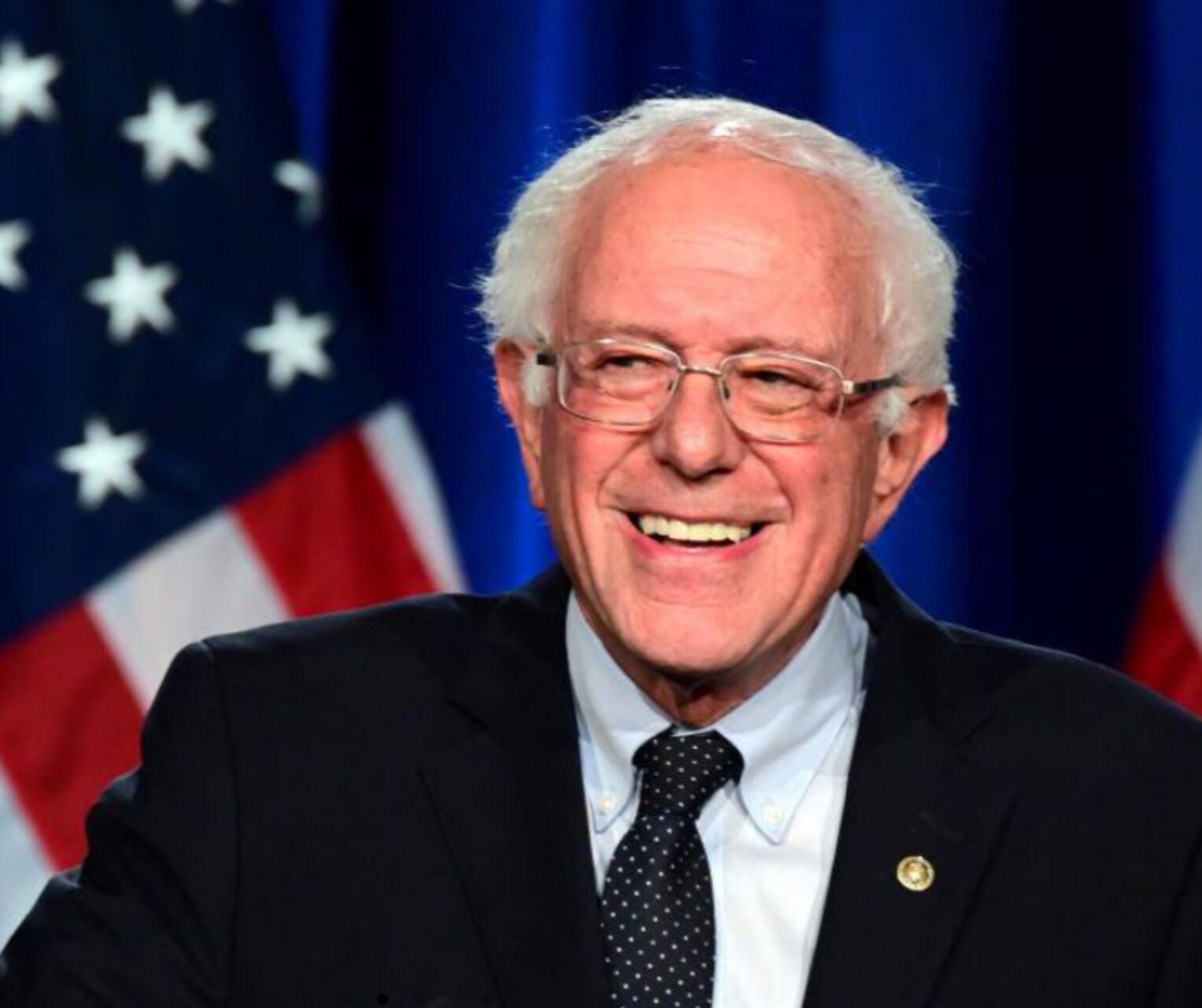
Voters are increasingly looking past traditional credentials to evaluate “vitality”—a blend of rhetorical precision, rapid cognitive processing, and the physical stamina required for constant campaigning and governing. This evaluation is not merely about health in a clinical sense, but about the ability to engage in sharp, unscripted debate and to master complex, shifting policy details in real-time.
The discourse surrounding this issue often manifests in how leaders handle public appearances, press conferences, and unscripted moments. For many observers, these instances serve as a “litmus test” for mental agility. When a leader appears to stumble or lose their train of thought, it triggers immediate and intense debate regarding their fitness for the rigors of leadership. Conversely, when a leader demonstrates a high degree of precision and command, it reinforces their perceived legitimacy, regardless of their chronological age.
Bernie Sanders: A Case Study in Political Longevity
Senator Bernie Sanders, the senior United States senator from Vermont, has carved out a unique position in this debate. Despite being older than several of his contemporaries in the political sphere, Sanders has frequently been characterized by supporters and political analysts as maintaining a high level of “sharpness.”
Sanders’ perceived vitality is often linked to his consistency and the precision of his political messaging. Since his long tenure in the U.S. House of Representatives and his subsequent years in the Senate, he has maintained a remarkably stable ideological core. This consistency allows him to engage in complex policy discussions with a depth of detail that suggests a high level of cognitive engagement. His ability to link historical economic trends to modern-day struggles is often cited as evidence of his intellectual rigor.
Sanders’ rhetorical style—characterized by a direct, often combative approach to “the establishment” and corporate interests—requires a level of mental quickness that many observers find impressive for a politician of his age. His capacity to navigate Senate procedures while simultaneously leading a grassroots movement demonstrates a multifaceted type of political stamina that distinguishes him from many of his peers.
The Biden-Trump Dynamic: A Debate Over Mental Acuity
While Sanders is often viewed through the lens of ideological consistency, the debate surrounding Joe Biden and Donald Trump has frequently centered on more immediate concerns of cognitive fitness and rhetorical stability. The scrutiny applied to both men has been intense, often fueled by highly publicized moments of perceived vulnerability.
For Joe Biden, the scrutiny has often focused on his verbal delivery and physical gait. Critics and supporters alike have closely analyzed his speeches for signs of cognitive decline, focusing on instances of verbal slips or moments of apparent disorientation. While his proponents argue that these are natural aspects of aging or simply idiosyncratic speech patterns, the political impact of these perceptions has been significant, shaping much of the discourse around his administration’s perceived strength.
Similarly, Donald Trump has faced significant scrutiny regarding his cognitive state, though the focus of this critique often differs from that of Biden. While Biden’s scrutiny often centers on perceived “slowness,” the critique of Trump frequently targets his rhetorical style—specifically, his tendency toward tangential speech, repetitive phrasing, and what some analysts describe as a decline in logical cohesion during long-form addresses. For Trump, the debate is less about “stumbles” and more about the structured complexity of his political arguments.
This creates a unique political environment where the two primary figures of the opposing parties are being judged by different, yet equally demanding, standards of mental acuity. The public’s obsession with these nuances has turned every public appearance into a potential referendum on the leaders’ ability to govern.
Understanding the ‘Sharpness’ Metric in Public Discourse
What does “sharpness” actually mean in a political context? It’s a subjective term, yet it is used with increasing frequency in media and political commentary. To understand it, one must look at several key components of political performance:
- Rhetorical Precision: The ability to articulate complex ideas clearly and concisely without excessive reliance on teleprompters or scripted talking points.
- Cognitive Agility: The capacity to respond effectively to unexpected questions, debate opponents on the fly, and pivot between various topics without losing coherence.
- Policy Mastery: A deep, nuanced understanding of legislative details, economic data, and geopolitical complexities that allows for authoritative decision-making.
- Stamina: The physical and mental energy required to maintain a rigorous schedule of meetings, travel, and public engagement over long periods.
The perception of these qualities often dictates how a leader is viewed by the electorate. A leader who is seen as “sharp” is perceived as being in control, capable, and ready for the challenges of office. Conversely, a leader perceived as “diminished” is often viewed as a liability, regardless of their actual policy achievements or experience.
Comparative Overview of Key Political Figures
The following table provides a snapshot of the current political standing and approximate age of these key figures as of 2026, illustrating the generational cohort that currently dominates much of the American political landscape.
| Leader | Primary Role/Affiliation | Approximate Age | Key Public Perception Focus |
|---|---|---|---|
| Bernie Sanders | U.S. Senator (Vermont) | 84 | Ideological consistency and policy depth. |
| Joe Biden | Former President | 83 | Verbal precision and cognitive stamina. |
| Donald Trump | Former President | 79–80 | Rhetorical structure and logical cohesion. |
This data underscores the reality that the current political landscape is being shaped by individuals who are, by historical standards, exceptionally senior. This reality ensures that the debate over age, vitality, and mental acuity will remain a central theme in American political life for the foreseeable future.
As the political cycle progresses, the next major checkpoints for these leaders will be high-stakes public forums and official proceedings, where their ability to demonstrate “sharpness” will be tested under the most intense scrutiny imaginable. The outcome of these moments will likely shape the direction of the country’s leadership for years to come.
What are your thoughts on the role of age and mental acuity in political leadership? Do you believe experience outweighs the concerns regarding vitality? Let us know in the comments below and share this article with your network.