
As the regional security situation in the Middle East remains volatile, new reports from southern Lebanon indicate that Israeli strikes have targeted areas in the region following evacuation warnings issued to residents of several villages. These military actions occurred on Friday, June 5, 2026, marking a significant escalation in the ongoing conflict between Israel and the militant group Hezbollah. The developments follow a period of heightened diplomatic activity, as international stakeholders work to facilitate a durable resolution to the hostilities.
The latest military activity follows a formal rejection by Hezbollah of a ceasefire proposal coordinated through diplomatic channels. According to reports from the Associated Press, the militant group dismissed the most recent agreement brokered in Washington, which had been presented as a potential pathway to de-escalation between Israel and the Lebanese government. The ceasefire framework, which had been under discussion during several rounds of U.S.-mediated talks, faced immediate opposition from the group, which has demanded a complete withdrawal of Israeli forces from Lebanese territory. AP News: Hezbollah rejects ceasefire as Israeli strikes kill 4.
Diplomatic Impasse and Security Tensions
The failed ceasefire agreement had outlined specific security protocols, including the creation of “pilot” security zones within Lebanese territory. These zones were intended to be areas from which Hezbollah operatives would be prohibited, with the Lebanese army tasked with assuming control of the regions south of the Litani River. The Litani River is situated approximately 30 kilometers, or 20 miles, north of the border between Israel and Lebanon. AP News: Hezbollah rejects ceasefire as Israeli strikes kill 4.
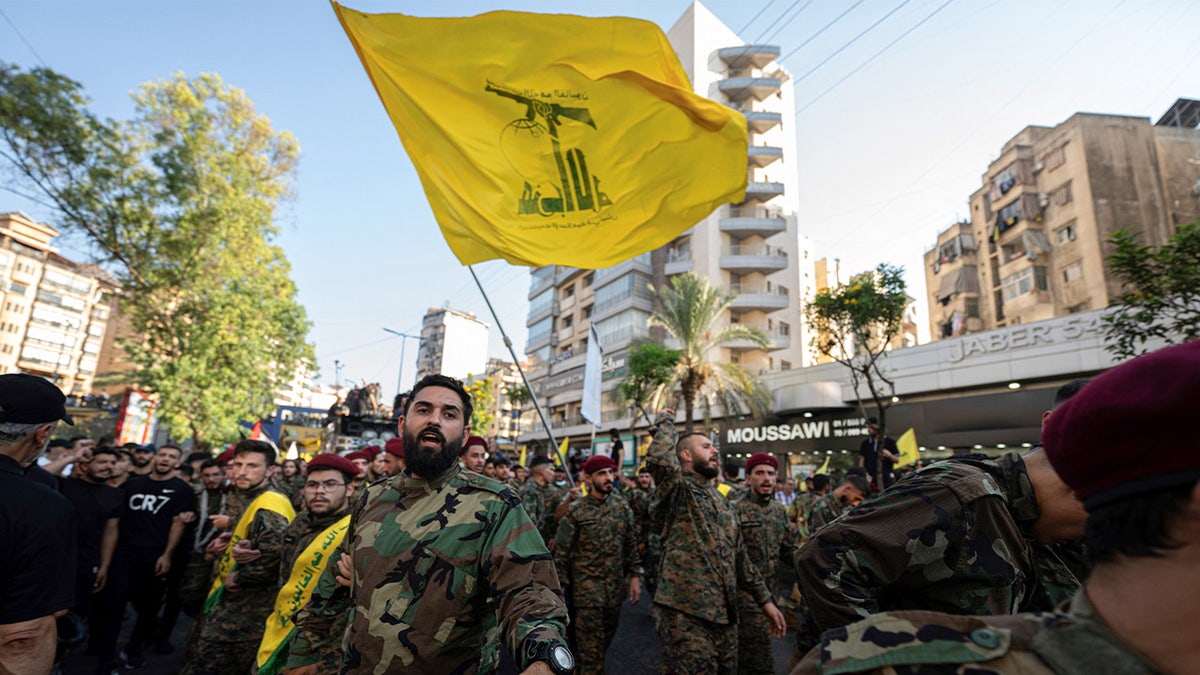
The proposal also included provisions regarding the eventual disbanding of the Hezbollah militant group, a point of contention that contributed to the group’s refusal to sign the accord. The rejection came despite a joint statement from the United States, Israel and the Lebanese government announcing the agreement on Wednesday. The current environment is further complicated by the fact that Israeli forces have recently conducted their deepest incursions into Lebanon in more than 25 years, according to international reporting. AP News: Hezbollah rejects ceasefire as Israeli strikes kill 4.
An Israeli flag hangs on a destroyed building in southern Lebanon as seen from northern Israel, Thursday June 4, 2026. (AP Photo/Ariel Schalit)
Humanitarian and Regional Impact
The human cost of the ongoing conflict remains a primary concern for international observers. Recent reports confirm that four individuals were killed in Lebanon as a result of the latest Israeli strikes. The regional volatility has impacted international peacekeeping efforts. A Serbian peacekeeper serving with the United Nations Interim Force in Lebanon (UNIFIL) was killed, and two other peacekeepers were wounded, after a mortar shell struck their location. This incident occurred within hours of the announcement of the Washington-brokered ceasefire agreement. AP News: Hezbollah rejects ceasefire as Israeli strikes kill 4.
The situation remains fluid, with evacuation warnings serving as a stark indicator of the potential for further kinetic operations. Residents in the affected villages face significant uncertainty as the diplomatic path toward a ceasefire appears to have stalled. The international community continues to monitor the border region, where smoke and the remnants of infrastructure damage serve as visible markers of the persistent hostilities.
Key Developments in the Israel-Lebanon Conflict
- Ceasefire Rejection: Hezbollah has formally declined the latest U.S.-mediated ceasefire proposal, citing the demand for a total Israeli withdrawal.
- Security Zones: The proposed agreement required the Lebanese army to secure areas south of the Litani River, which the militant group has rejected.
- Casualties: Four people have been reported killed in recent Israeli strikes in Lebanon.
- Peacekeeper Casualties: A Serbian member of the UNIFIL mission was killed in a mortar attack, highlighting the dangers posed to international personnel on the ground.
As of Friday, June 5, 2026, there are no further official updates regarding the resumption of high-level ceasefire talks. The focus remains on the ground situation in southern Lebanon and the potential for further military maneuvers. We will continue to provide updates on this developing story as more verified information becomes available. We invite our readers to share their perspectives on these developments in the comments section below.

Worth a look