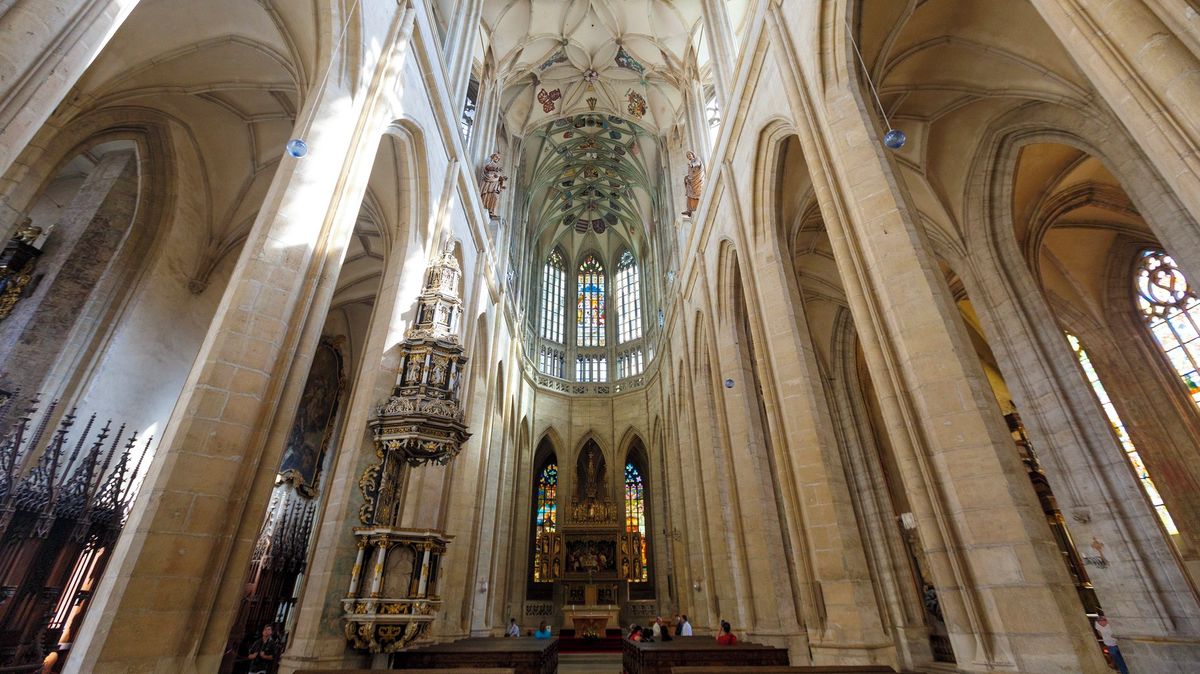
As the summer cultural season takes hold across Europe, the historic town of Kutná Hora, Czech Republic, is preparing to host a significant musical event that bridges the gap between somber reflection and artistic mastery. The upcoming Kutná Hora Music Festival is set to open with a program dedicated to the memory of Josef Toufar, a Catholic priest whose life and tragic death under the communist regime remain a poignant chapter in 20th-century history.
This year’s edition of the festival, known for its intimate atmosphere and integration of local heritage sites, aims to provide more than just a series of concerts. By centering the opening performance on the legacy of Father Toufar, organizers are framing the event as a dialogue between the spiritual resilience of the past and the transformative power of classical music. The inclusion of works by Dmitri Shostakovich further underscores this theme, as the composer’s music is frequently associated with the struggle for artistic integrity under oppressive political systems.
Honoring a Legacy of Resilience
The decision to commemorate Josef Toufar at the start of the festival carries significant historical weight. Father Toufar, the parish priest of Číhošť, was arrested by the Státní bezpečnost (StB)—the communist secret police—in early 1950 following a mysterious event in his church that the regime sought to exploit for anti-religious propaganda. According to the Institute for the Study of Totalitarian Regimes, Toufar was subjected to brutal interrogation and torture, leading to his death in a Prague hospital on February 25, 1950.
For many in the Czech Republic, Toufar has become a symbol of the individual’s courage against institutionalized persecution. By weaving his story into the fabric of a music festival, the organizers are engaging in a form of cultural memorialization that ensures the narrative of the Cíhošť miracle and its aftermath remains accessible to new generations of listeners. This intersection of history and performance art is a hallmark of the Kutná Hora region, which leverages its UNESCO World Heritage status to host events that resonate with both local and international audiences.
Musical Programming and the Shostakovich Connection
Beyond the commemorative opening, the festival program is noted for its ambitious selection of chamber music and orchestral pieces. The choice to feature Dmitri Shostakovich is particularly thematic. Throughout his career, Shostakovich navigated the precarious landscape of Soviet censorship, often embedding messages of defiance and sorrow within his symphonies and string quartets. The juxtaposition of his works with the tribute to Toufar creates a cohesive narrative arc that explores themes of suffering, perseverance, and the ultimate endurance of the human spirit.
The festival typically utilizes the unique acoustics of Kutná Hora’s architectural landmarks, such as the Cathedral of St. Barbara or the Sedlec Ossuary. Attendees can expect a program that emphasizes the technical precision and emotional depth required to interpret 20th-century repertoire. For classical music enthusiasts, the event offers a rare opportunity to hear world-class performances in spaces that have stood for centuries, providing a sensory experience that is distinct from the traditional concert hall environment.
Why Kutná Hora Matters in the Global Cultural Landscape
Kutná Hora has increasingly positioned itself as a hub for high-level cultural tourism. The festival serves as a vital component of this strategy, drawing visitors who are interested in the intersection of Central European history and contemporary art. The Czech Tourism Authority highlights the town’s ability to maintain its medieval character while hosting modern, international-standard artistic events. This blend of the historic and the contemporary is what attracts a diverse audience, ranging from academic researchers interested in the Cold War era to casual travelers seeking an immersive cultural experience.
The festival’s commitment to programming that addresses difficult historical topics also serves as a model for how smaller European cities can contribute to broader societal discussions. By moving beyond light entertainment and into the realm of historical inquiry, the Kutná Hora Music Festival asserts the importance of the arts in maintaining a collective memory. As the festival approaches its start date, expectations are high for a program that promises to be as intellectually stimulating as it is musically rewarding.
Key Takeaways for Attendees
- Commemoration: The festival opening serves as a tribute to Josef Toufar, a priest whose death remains a defining event in the history of communist-era repression in Czechoslovakia.
- Repertoire: The selection of Dmitri Shostakovich’s works provides a thematic link to the struggles of artists working under totalitarian regimes.
- Venue Significance: Performances are held in historic settings, utilizing the acoustics of Kutná Hora’s renowned architectural sites.
- Cultural Impact: The event continues to solidify Kutná Hora’s reputation as a premier destination for those interested in the fusion of history, spirituality, and classical music.
For those planning to attend, it is recommended to check the official festival website for the most recent updates on scheduling, ticket availability, and any changes to the performance venues. The festival organizers typically provide detailed program notes that further contextualize the link between the musical selections and the historical figures being honored.
We invite our readers to join the conversation regarding the role of arts festivals in historical education. Do you believe that music can effectively serve as a bridge to understanding past tragedies? Share your thoughts and experiences in the comments section below, and stay tuned to our sports and culture desk for ongoing coverage of international arts events.
Related reading