Trump Reportedly Directs Acting Intelligence Chief Bill Pulte to Reduce Agency Staff
In a move that signals a potential seismic shift in the structure of the United States intelligence apparatus, President Donald Trump has reportedly issued a directive to Bill Pulte, the acting Director of National Intelligence (DNI), to pursue significant personnel reductions within the intelligence community. The instruction, which centers on a desire to see the intelligence leadership operate with more autonomy, has sparked immediate debate in Washington regarding the stability of national security institutions and the future of the nation’s 18 intelligence agencies.
The core of the administration’s strategy appears to involve Trump’s plan to fire intelligence community employees to streamline operations and reduce what the President has characterized as institutional constraints. Reports indicate that the President has urged Pulte to be “less shackled” in his management of the Office of the Director of National Intelligence (ODNI), suggesting that the current bureaucratic structure has hindered the executive branch’s ability to execute its policy objectives effectively.
This directive comes at a moment of heightened political friction in the capital. While the administration views these proposed changes as a necessary “deconstruction” of a bloated bureaucracy, critics and several members of Congress have raised alarms about the potential for intelligence gaps and the erosion of non-partisan expertise. The tension has already manifested in the Senate, where efforts to block Pulte’s leadership are gaining momentum.
The ‘Less Shackled’ Mandate and Staffing Reductions
The reported directive from the Oval Office suggests a fundamental change in how the intelligence community interacts with the White House. By instructing Bill Pulte to act in a “less shackled” manner, the President is signaling a preference for an intelligence leadership that is more closely aligned with his administration’s political and operational priorities, rather than one that operates strictly within the traditional, independent frameworks of the career civil service.

A significant component of this mandate involves the potential removal of a substantial portion of the national intelligence office staff. The goal, according to those familiar with the administration’s thinking, is to replace long-standing career officials with personnel who are more responsive to the President’s vision for national security. This restructuring would target the ODNI, which serves as the central hub for coordinating the activities of the various intelligence components, including the CIA, NSA, and various elements of the Department of Defense.

The implications of such a large-scale reduction in force are profound. Intelligence agencies rely heavily on institutional memory and specialized expertise that often takes decades to cultivate. A sudden and massive departure of senior and mid-level analysts could lead to:
- Loss of Institutional Knowledge: The departure of career experts could weaken the depth of analysis provided to policymakers.
- Operational Disruption: Rapid staffing changes can disrupt ongoing intelligence collection and analysis cycles.
- Morale and Retention Issues: Large-scale terminations often lead to a “brain drain,” where remaining high-performing staff seek employment in the private sector.
Legislative Resistance: The Senate Response
The administration’s efforts to reshape the intelligence community have encountered immediate resistance within the halls of Congress. The political battle over Bill Pulte’s role has become a flashpoint for broader debates regarding executive oversight and the independence of the intelligence community.
In a recent and significant development, three Republican senators voted to bar Pulte from serving as the temporary director of national intelligence. This move is particularly notable because it represents a fracture within the President’s own party, signaling that some GOP lawmakers are concerned about the potential risks associated with Pulte’s leadership style and the administration’s proposed overhaul of the intelligence apparatus.
The opposition in the Senate is largely centered on two concerns: the qualifications of the acting director and the potential for politicizing intelligence products. Lawmakers who have voiced opposition argue that the DNI role requires a level of experience and a commitment to non-partisan analysis that may not be present in the current acting leadership. The prospect of mass staff reductions has led to questions about whether the administration is prioritizing political loyalty over national security efficacy.
Understanding the Intelligence Community Landscape
To understand the scale of what is at stake, It’s necessary to examine the complexity of the organization that Bill Pulte is tasked with overseeing. The Director of National Intelligence is responsible for coordinating the activities of 18 different intelligence agencies, and organizations. This includes not only the primary civilian agencies but also the intelligence components of the military and other federal departments.
The ODNI was created following the intelligence failures identified after the September 11 attacks, with the specific intent of improving information sharing and integration across the various agencies. The role is designed to prevent “siloed” intelligence and to provide the President with a unified and comprehensive view of global threats.
Any attempt at intelligence agency restructuring on the scale suggested by the current administration would require navigating a complex web of statutory authorities and departmental regulations. While the President has significant authority over executive branch personnel, the specialized nature of intelligence roles and the protections afforded to certain classes of career officials may complicate efforts to implement a “big chunk” of staff reductions.
Key Takeaways: The Intelligence Overhaul Effort
- Presidential Directive: President Trump has reportedly urged acting DNI Bill Pulte to act with more autonomy (“less shackled”) and to reduce intelligence community staffing.
- Staffing Targets: The administration is considering significant reductions in the number of employees within the national intelligence office.
- Senate Opposition: Three Republican senators have already voted against Pulte’s ability to serve in the acting director role, highlighting internal GOP division.
- Structural Risks: Critics warn that mass removals could lead to a loss of expertise, operational instability, and the politicization of intelligence.
- Scope of Authority: The DNI oversees 18 agencies, making any restructuring effort a major undertaking for the entire national security establishment.
The Road Ahead: Oversight and Confirmation
As the administration moves forward with its plans for the intelligence community, the focus will likely shift to the Senate’s ability to exercise its oversight and confirmation powers. The debate over Bill Pulte’s tenure is expected to intensify as the administration seeks to formalize its leadership and implement its personnel policies.
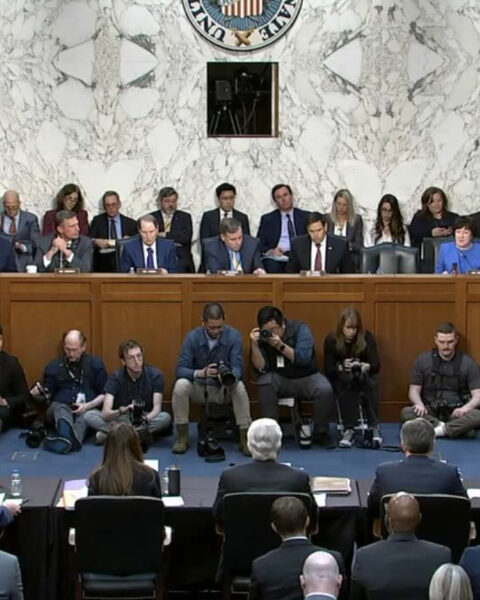
The coming weeks will be critical in determining whether the administration can successfully execute this restructuring or if legislative hurdles will force a more moderate approach. Key upcoming milestones include scheduled Senate committee hearings and official communications from the ODNI regarding any formal changes to staffing levels or organizational structure.
We will continue to monitor these developments closely as they unfold. For the latest updates on national security policy and congressional proceedings, please visit our politics section.
What do you think about the proposed changes to the intelligence community? Should the administration have more authority to reshape these agencies, or do the risks to national security outweigh the benefits? Let us know in the comments below and share this article with your network.
Related reading
- Abelardo De La Espriella: Special Manager for Bogotá and Transforming Casa de Nariño into a Museum
- Day Trips from Bremen to the Netherlands: Hidden Gems & Top Cities
- Trump Ordina Pausa Negli Attacchi Stati Unitesi contro l’Iran (archynewsy.com)
- Juan Orlando Hernández Returns to Honduras Following Trump Presidential Pardon (time.news)