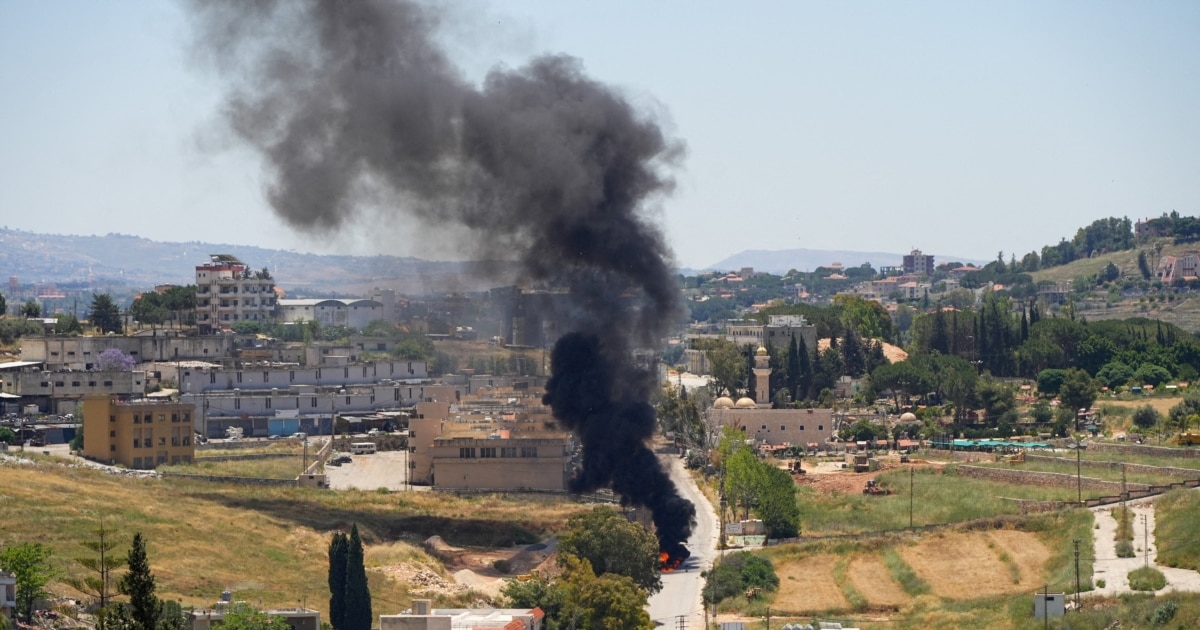
The fragile security landscape in the Middle East faced a new setback this week as Hezbollah, the Lebanon-based militant group, formally rejected the latest ceasefire framework proposed in ongoing efforts to de-escalate the conflict. As of Friday, June 5, 2026, the diplomatic impasse highlights the deepening complexities of a regional crisis that has drawn international attention and fueled significant volatility in global markets.
The rejection by Hezbollah leadership follows intense, US-backed attempts to forge a lasting truce between the group and Israel. The proposed agreement, which sought to establish “pilot” security zones within Lebanese territory, included provisions that would have effectively banned the presence of Hezbollah operatives in these areas. The group’s leadership has characterized the negotiations as “futile” and “humiliating,” arguing that the terms constitute a surrender of their strategic objectives on the southern front, according to reports from the BBC.
Stalled Diplomacy and Regional Tensions
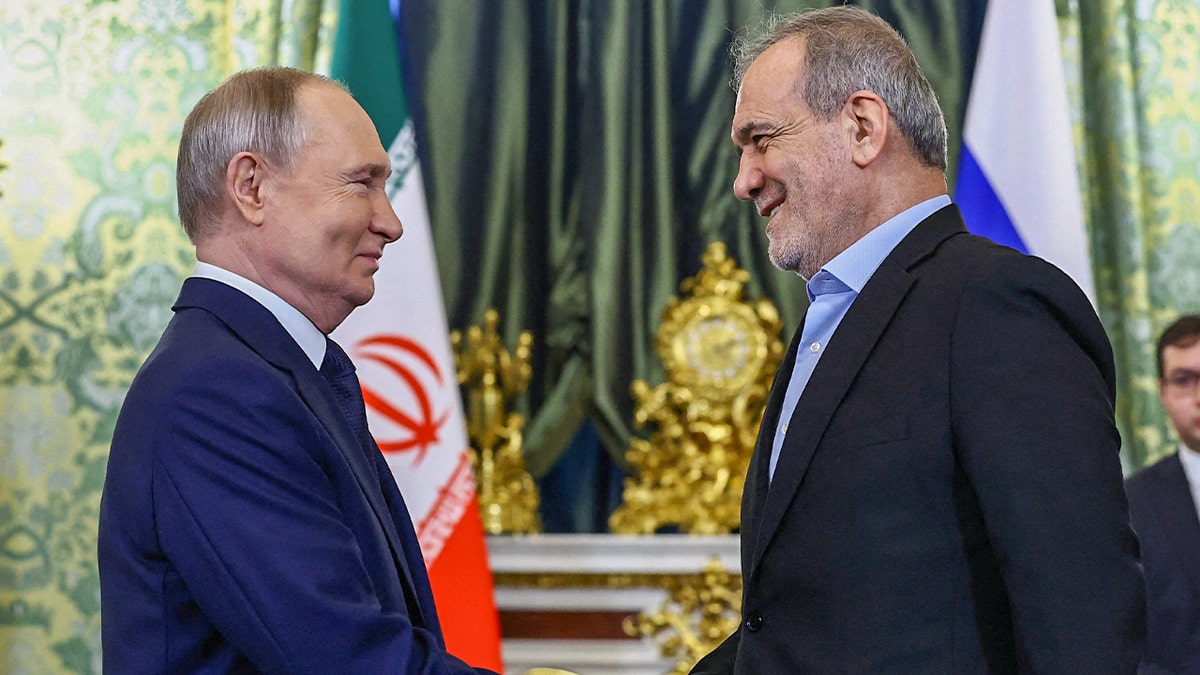
The diplomatic friction occurs against the backdrop of a widening regional conflict. Russian President Vladimir Putin recently remarked that the United States has shifted its focus from the war in Ukraine to address the escalating situation involving Iran and its proxies, noting that the US administration is currently compelled to prioritize this crisis above other international concerns, as reported by Deutsche Welle.
The human cost of the conflict remains a grave concern for the international community. On June 4, 2026, United Nations Secretary-General Antonio Guterres condemned the killing of a Serbian peacekeeper serving with the UN Interim Force in Lebanon (UNIFIL). The soldier succumbed to wounds sustained after his base was struck by mortar fire on Wednesday, June 3, 2026. Guterres has called for an immediate investigation to ensure those responsible are held accountable, emphasizing the vulnerability of international personnel operating in the theater of hostilities.
Market Reactions and Strategic Objectives
The oscillation between reports of potential ceasefire agreements and their subsequent rejection has had immediate, observable effects on global economic indicators. Financial analysts continue to monitor the situation closely, as the prospect of sustained instability in the region influences energy commodity pricing. The persistent nature of the conflict, characterized by ongoing cross-border strikes, serves as a barrier to the stabilization of supply chains and market sentiment, particularly in the energy sector.
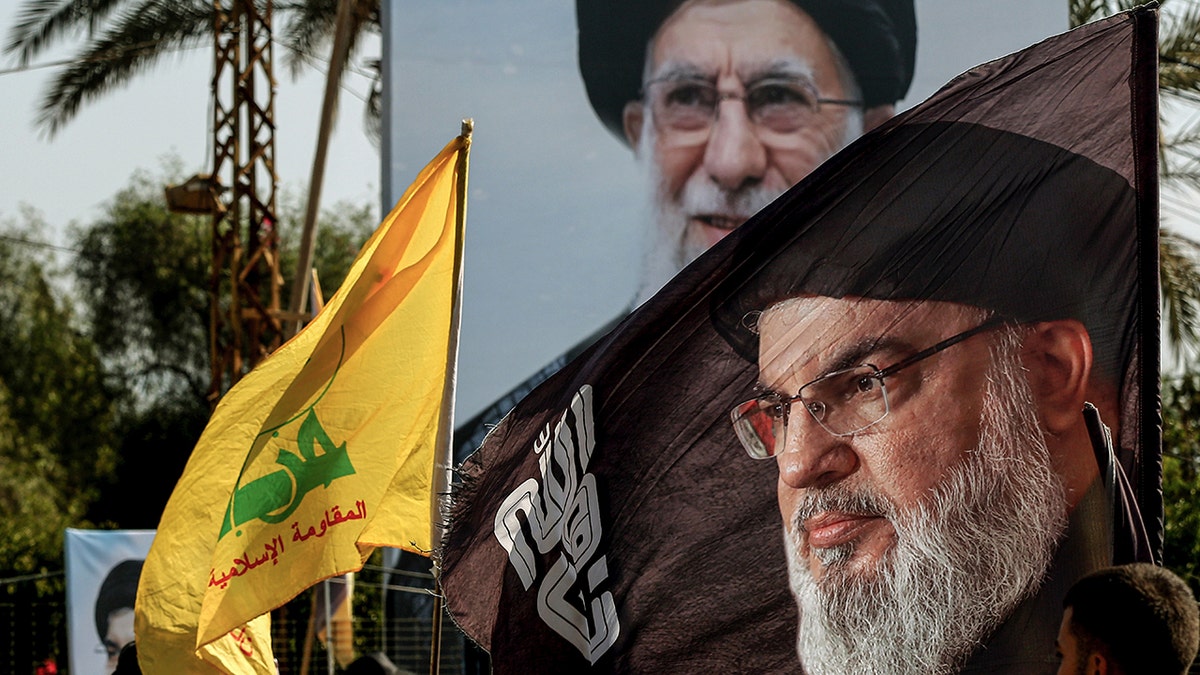
For Hezbollah, the primary objection to the US-brokered terms centers on the requirement to halt operations and withdraw fighters from the border region. The group’s leadership maintains that these conditions are designed to fulfill Israeli security objectives at the expense of Lebanon’s sovereignty. Conversely, Israeli officials have maintained that any agreement must ensure the permanent cessation of attacks originating from Lebanese territory, a stance that remains fundamentally at odds with Hezbollah’s current operational doctrine.
Looking Ahead: The Path Toward De-escalation
As of today, the situation remains fluid. While high-level diplomatic channels remain open, the gap between the conflicting parties’ demands—specifically regarding the withdrawal of forces and the establishment of security buffers—has not narrowed. The international community, led by various mediators, faces the difficult task of reconciling these divergent positions while preventing further escalation that could draw in additional regional actors.
Observers are now looking toward upcoming sessions of the UN Security Council and further statements from the US State Department for signs of a revised diplomatic strategy. With the rejection of the current proposal, the focus shifts to whether mediators can present a modified framework that addresses the core security concerns of both Israel and the Lebanese state without triggering the immediate opposition of non-state actors like Hezbollah.
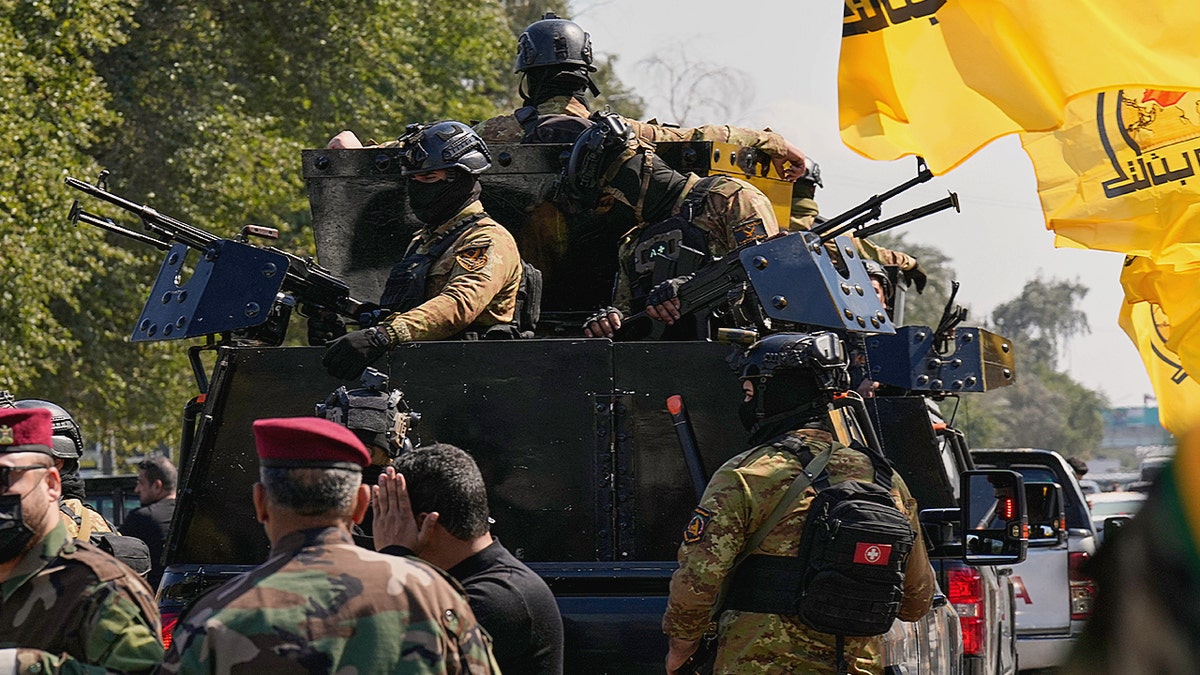
The path toward a sustainable peace remains obstructed by deep-seated mistrust and conflicting strategic imperatives. As the regional situation develops, we will continue to provide updates on official statements, diplomatic breakthroughs, or significant shifts in military posture as they are verified through independent, authoritative sources.
What are your thoughts on the prospects for a lasting resolution in Lebanon? We invite our readers to share their perspectives in the comments section below. Stay tuned to World Today Journal for further updates as this story continues to evolve.