
In the mid-1990s, the television landscape was rapidly evolving, and for fans of the Star Trek franchise, the era was defined by a unique, sometimes tense, coexistence between two distinct series: Star Trek: Deep Space Nine (DS9) and Star Trek: Voyager. While modern audiences often view the franchise as a singular, cohesive tapestry of lore, the production history behind these shows reveals a fascinating interplay of creative competition, shifting network strategies, and the logistical realities of the Paramount lot. Exploring how Star Trek: Voyager arguably influenced the trajectory of Deep Space Nine requires looking past the surface-level differences in their settings—one a static, political powder keg, the other a nomadic vessel lost in the Delta Quadrant—to understand the behind-the-scenes dynamics of 1990s science fiction production.
The relationship between these two shows is a quintessential case study in how corporate television management shapes creative output. When Voyager premiered in 1995, it was designed to be the flagship show for the newly launched United Paramount Network (UPN), a move that necessitated a massive reallocation of resources and creative focus within the studio. For Deep Space Nine, which had already established a darker, more serialized narrative tone under showrunner Ira Steven Behr, the arrival of Voyager created a paradoxical environment. Rather than signaling the end of DS9, the presence of its shiny, new sibling forced the creative team on the space station to double down on what made their show unique—its moral ambiguity, long-form storytelling, and intense character studies.
The Creative Divergence of the 1990s
To understand the “saving” of Deep Space Nine, one must first recognize the structural differences between the two productions. Voyager, according to production timelines documented by StarTrek.com, was intended to recapture the “exploration” spirit of the original 1960s series, providing a more accessible, episodic format that could anchor a new network. Conversely, DS9 had spent its early years breaking the mold, introducing complex geopolitical conflicts involving the Cardassians and the Bajorans. As Voyager occupied the network’s primary promotional bandwidth, DS9 was essentially freed from the burden of representing the “standard” Star Trek experience. This creative autonomy allowed the writers to explore themes of war, religion, and internal corruption that might have been deemed too risky for a series tasked with broad network appeal.
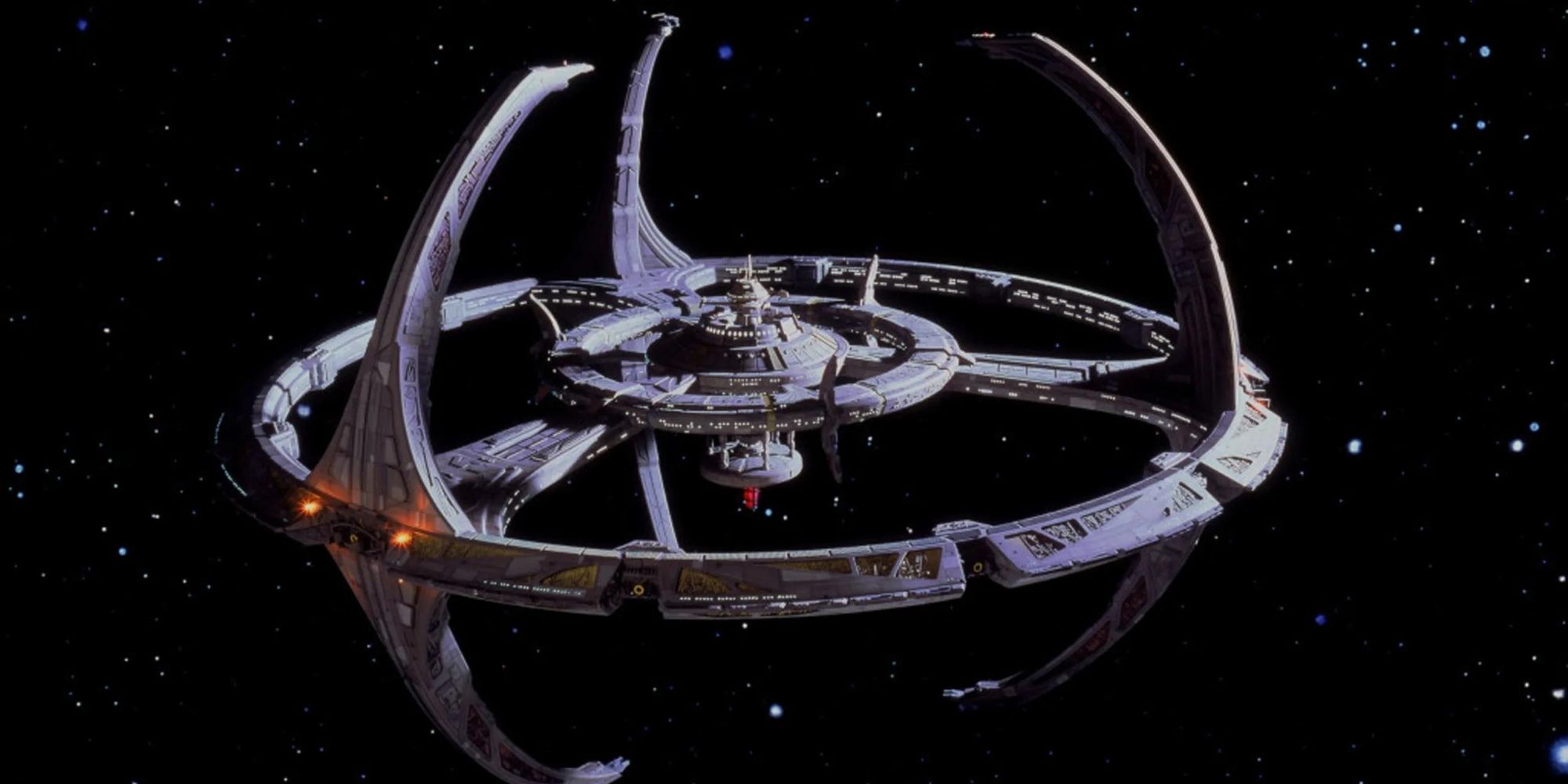
The synergy between these two shows was not accidental; it was a byproduct of a shared production environment. Both shows were filmed on the Paramount lot, and the logistical crossover—from the sharing of props and sets to the inevitable conversations between writing rooms—meant that the successes and failures of one show were constantly informing the other. When Voyager struggled to find its footing in its early seasons, the pressure on DS9 to “be” the reliable, high-quality drama became even more pronounced. In many ways, Voyager provided the perfect contrast that allowed DS9 to define itself by what it was not: it was not a show about returning home, but a show about making a home in the middle of a conflict.
Production Realities and the “Voyager Effect”
The logistical impact of Voyager on Deep Space Nine cannot be overstated. With two Star Trek shows in production simultaneously, the studio faced significant challenges regarding budget and labor. As noted in historical retrospectives on the franchise’s evolution, the need to maintain distinct visual identities while managing overlapping resources forced a level of efficiency that ultimately benefited the quality of both series. For DS9, this meant that every set piece, every costume, and every hour of screen time was precious. The constraints of the budget, combined with the competitive nature of the writers’ rooms, pushed the DS9 team to prioritize character-driven narratives over expensive, spectacle-heavy episodes.
the audience reception of Voyager—which was often polarized due to its episodic nature—served as a unintentional catalyst for the critical re-evaluation of DS9. While Voyager was chasing the traditional Star Trek audience, DS9 was quietly building a dedicated, cult-like following that appreciated its serialized nature. By the time the Dominion War arc was in full swing during the show’s later seasons, DS9 had become a pioneer in long-form television storytelling. This shift in genre expectations, which would later become the standard for “Golden Age” television, was fostered by the very environment that Voyager helped create by defining the traditional, lighter alternative.
The Legacy of the Twin-Series Era
Looking back at the mid-to-late 1990s, the co-existence of these two shows was a pivotal moment for the franchise. Voyager provided the stability and the network presence that ensured the Star Trek brand remained a household name, while Deep Space Nine provided the artistic depth that kept the franchise intellectually relevant. The “accidental” saving of DS9 was, in reality, a creative divergence that allowed both shows to thrive in their own lanes. By allowing DS9 to lean into its darker, more complex themes, the studio inadvertently created one of the most respected science fiction series in history.
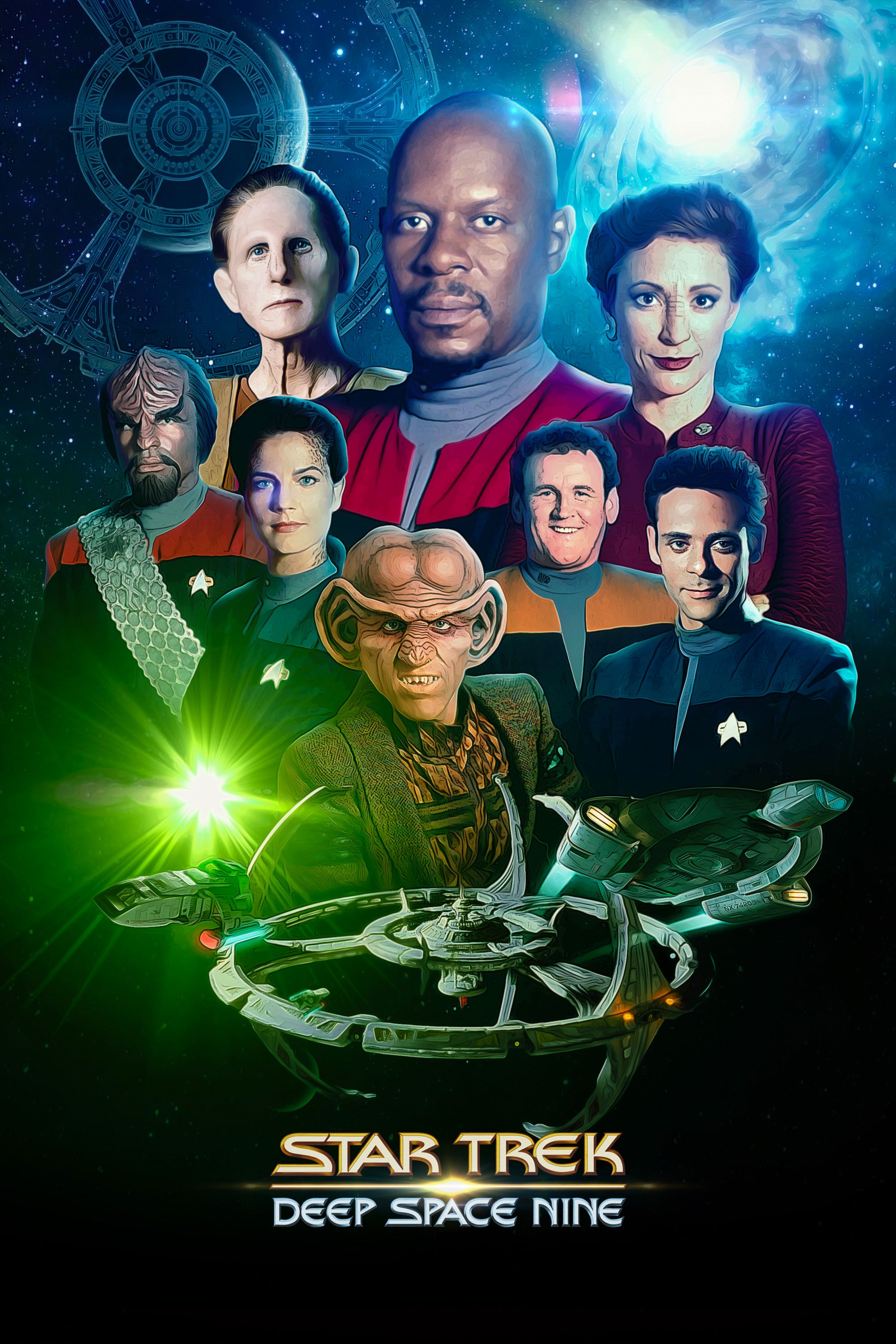
Today, the relationship between these two series is viewed with a sense of historical clarity. Fans and critics alike recognize that the “competition” was, in fact, a symbiotic relationship. As we continue to see the influence of DS9‘s serialized storytelling in modern streaming productions, the role of Voyager as the foil that allowed that experimentation to take place becomes ever more apparent. The era of the mid-90s remains a high-water mark for the franchise, not because the shows were identical, but because they were permitted to be so fundamentally different.
For those interested in the ongoing legacy of these series, Paramount continues to manage the digital archives of the franchise, and fans can find official updates and remastered content through the official Star Trek website. As the franchise looks toward its next iteration, the lessons learned from the Voyager–DS9 era—the importance of creative freedom, the value of serialized storytelling, and the necessity of risk-taking—continue to guide the development of new narratives in the Star Trek universe. We invite our readers to share their thoughts on this era of television history in the comments section below.