
A recent social media surge involving video footage of President Donald Trump during a cabinet meeting has sparked a vigorous debate regarding the President’s stamina and work habits. The controversy, which gained significant traction online, centers on visual evidence that some critics claim shows the President appearing to sleep during a formal session. The White House has firmly rejected these characterizations, maintaining that the President’s schedule and commitment to his executive duties remain as robust as ever.
The incident gained prominence after Representative Ted Lieu reportedly circulated clips of the meeting, suggesting the President was frequently observed dozing during cabinet proceedings. This claim prompted an immediate and sharp rebuke from administration allies. Among the most vocal defenders was Senator Marco Rubio, who addressed the allegations directly, characterizing the narrative as absurd and inaccurate. According to the Senator, the President’s actual work ethic is defined by a relentless pace, with Rubio asserting that Donald Trump is someone who, in his assessment, hardly sleeps at all.
Political Discourse and the Scrutiny of Executive Conduct
The exchange between Representative Lieu and Senator Rubio highlights the increasingly polarized nature of political discourse, where short video clips are frequently utilized to frame perceptions of a leader’s fitness and performance. For observers of American politics, this episode serves as a case study in how visual media is leveraged to challenge or defend the image of the presidency. The White House, in its official capacity, continues to emphasize the President’s active agenda since his return to office following the 2024 election, as detailed in the official White House administration profile.
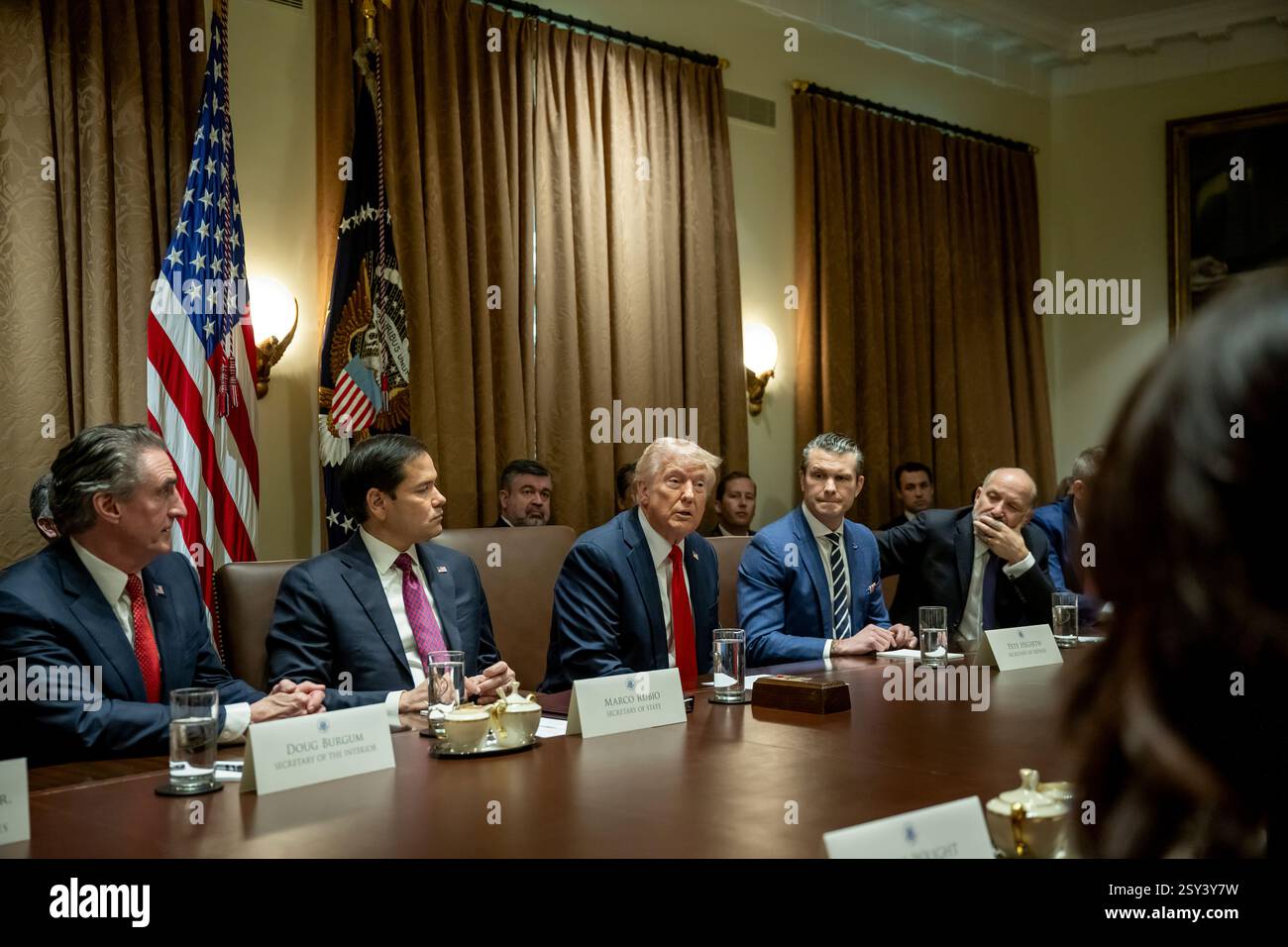
The administration’s stance remains consistent: that President Trump is actively executing his mandate, which includes a focus on border security, economic policy, and a recalibration of international engagements. By framing the President’s current term as a continuation of his earlier successes—such as the United States-Mexico-Canada Agreement—the White House seeks to steer the conversation away from anecdotal video evidence and toward the broader policy outcomes they claim are being achieved.
Contextualizing the President’s Schedule
The debate over the President’s sleep habits is not merely a matter of personal health but a recurring theme in the broader political narrative surrounding Donald Trump’s career. Supporters often point to his history as a businessman and his first term in office as evidence of a high-energy approach to leadership. Conversely, critics frequently use moments of stillness during public appearances to argue that the pressures of the office have taken a toll on the 79-year-old leader.
The White House has consistently pushed back against these critiques, emphasizing the President’s resilience in the face of what the administration describes as the unprecedented weaponization of lawfare and multiple assassination attempts. By emphasizing these challenges, the administration reinforces a narrative of strength and endurance, suggesting that the President’s focus remains undeterred by political criticism or viral social media trends.
What Happens Next?
As the administration continues to implement its policy agenda, the focus will likely shift back to legislative developments and executive actions. The next major checkpoint for the administration involves ongoing efforts regarding federal judicial confirmations and domestic policy reform, areas where the President has historically maintained a high level of activity. For the public and media, the scrutiny of the President’s public demeanor is expected to persist as a feature of the current political environment.
We invite our readers to share their perspectives on the role of viral media in modern political accountability. How much weight should be given to short, unverified clips when assessing the performance of a head of state? Join the conversation in the comments section below as we continue to track the developments shaping the global political landscape.
Worth a look