Environmental Cleanup Efforts Intensify at Jakarta’s Muara Angke Coastline
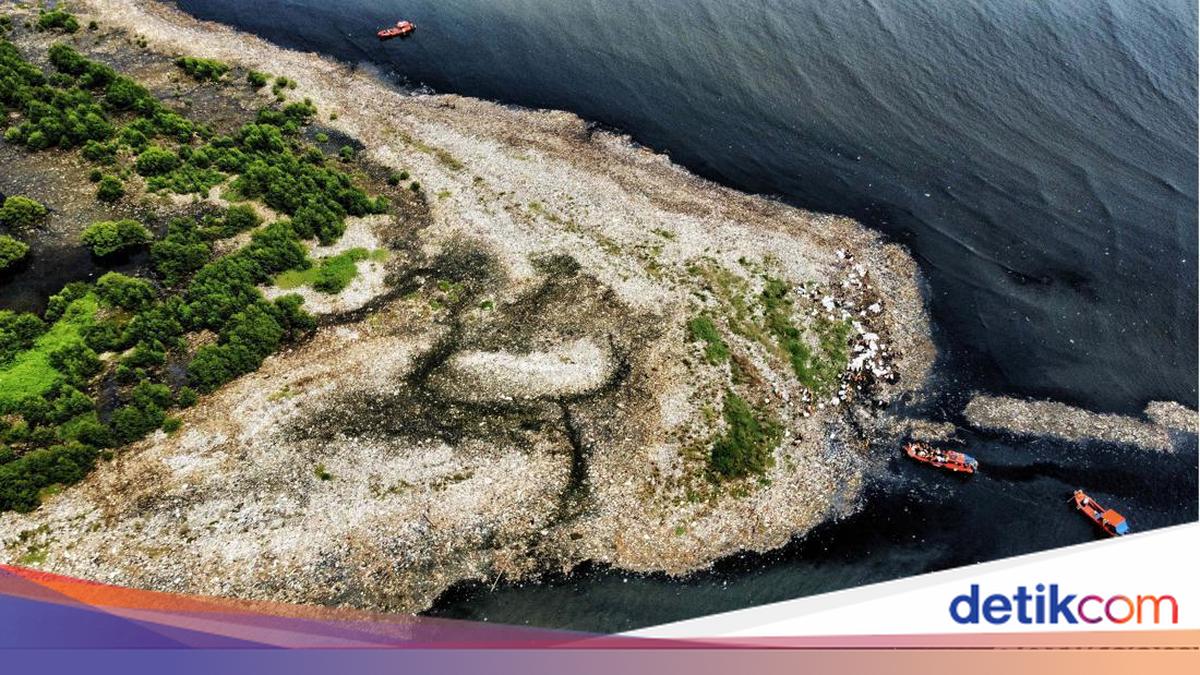
The coastal waters of Muara Angke, Jakarta, have long been the subject of environmental concern, characterized by the accumulation of massive deposits of debris that local residents and observers have frequently described as a “garbage island.” This persistent ecological challenge has drawn renewed attention from authorities as municipal teams work to address the waste buildup that threatens both the local marine ecosystem and the broader public health of the capital city’s coastal communities.
Managing urban waste in a densely populated metropolitan area like Jakarta remains a complex logistical hurdle. The accumulation of plastic, organic waste, and industrial runoff at Muara Angke serves as a visible indicator of broader waste management issues. As the local government continues its cleanup operations, the focus remains on mitigating the long-term impact of this pollution on the surrounding marine life and the food security of residents who rely on the area’s fishing industry.
The Scope of the Environmental Challenge
The accumulation of debris at the Muara Angke coastline is not merely an aesthetic issue. it represents a significant environmental hazard. Experts have long noted that marine debris, particularly microplastics, can enter the food chain, posing potential health risks to human populations that consume local seafood. According to the Jakarta Environmental Agency (Dinas Lingkungan Hidup DKI Jakarta), the city generates thousands of tons of waste daily, much of which is improperly disposed of and eventually finds its way into the capital’s river systems before discharging into the Jakarta Bay.
The “garbage island” phenomenon is a symptom of these systemic failures in waste filtration and collection. During seasonal shifts, tidal patterns often consolidate floating debris into specific coastal pockets, creating dense, concentrated masses of refuse that are difficult to clear. The provincial government has responded to these surges by deploying heavy machinery and labor-intensive manual cleanup crews to restore the aesthetic and ecological integrity of the coastline.
Government Response and Cleanup Initiatives
Recent efforts by the Jakarta Provincial Government have centered on an accelerated cleanup strategy designed to clear the most affected sectors of the Muara Angke coast. These operations involve a multi-agency approach, coordinating sanitation departments with coastal management teams to ensure that the removed waste is transported to designated landfill sites rather than being redistributed by tidal movements. For more information on official waste management policies and environmental updates, residents are encouraged to monitor the official Jakarta Provincial Government portal.
The challenge of keeping these areas clean is exacerbated by the continuous flow of waste from inland rivers. While manual cleanup provides a temporary solution, sustainable improvement requires long-term investment in waste-trapping infrastructure located upstream. The provincial authorities continue to evaluate the effectiveness of these traps, which are intended to intercept debris before it reaches the coastal zone.
Public Health and Long-Term Sustainability
The impact of pollution in Jakarta Bay extends beyond environmental damage; it directly affects the livelihoods of local fishing communities. High levels of contamination can lead to decreased fish yields and concerns regarding the safety of marine products harvested from the bay. The Ministry of Health of the Republic of Indonesia emphasizes the importance of maintaining water quality standards to prevent the spread of waterborne diseases and ensure food safety for the urban population.
As the city moves toward more permanent solutions, the collaboration between the government, private sector stakeholders, and local environmental advocacy groups is becoming increasingly critical. These partnerships aim to foster a culture of responsible waste management, encouraging residents to minimize single-use plastics and participate in neighborhood-level recycling programs.
Key Objectives for Coastal Restoration
- Accelerated Debris Removal: Utilizing both mechanical and manual labor to clear high-density waste zones.
- Infrastructure Maintenance: Ensuring that upstream debris traps are operational and regularly cleared to prevent overflow.
- Public Awareness Campaigns: Educating the public on the consequences of illegal dumping in riverbanks and waterways.
- Inter-Agency Coordination: Aligning the efforts of the provincial environment, public works, and sanitation departments.
Looking Ahead: Next Steps for Jakarta’s Coast
While the immediate cleanup efforts at Muara Angke are a positive development, the long-term status of the coastline remains dependent on consistent policy enforcement and urban planning. The provincial government is expected to provide further updates on their comprehensive waste management strategy during the next scheduled session of the Regional House of Representatives (DPRD DKI Jakarta). These sessions serve as the official venue for budget approvals and policy oversight regarding environmental projects.

For those interested in the ongoing status of the restoration project, official announcements will be posted through the Jakarta Information and Documentation Management Officer (PPID). We invite our readers to share their thoughts and experiences regarding urban environmental management in the comments section below, as we continue to track this evolving story.
Keep reading