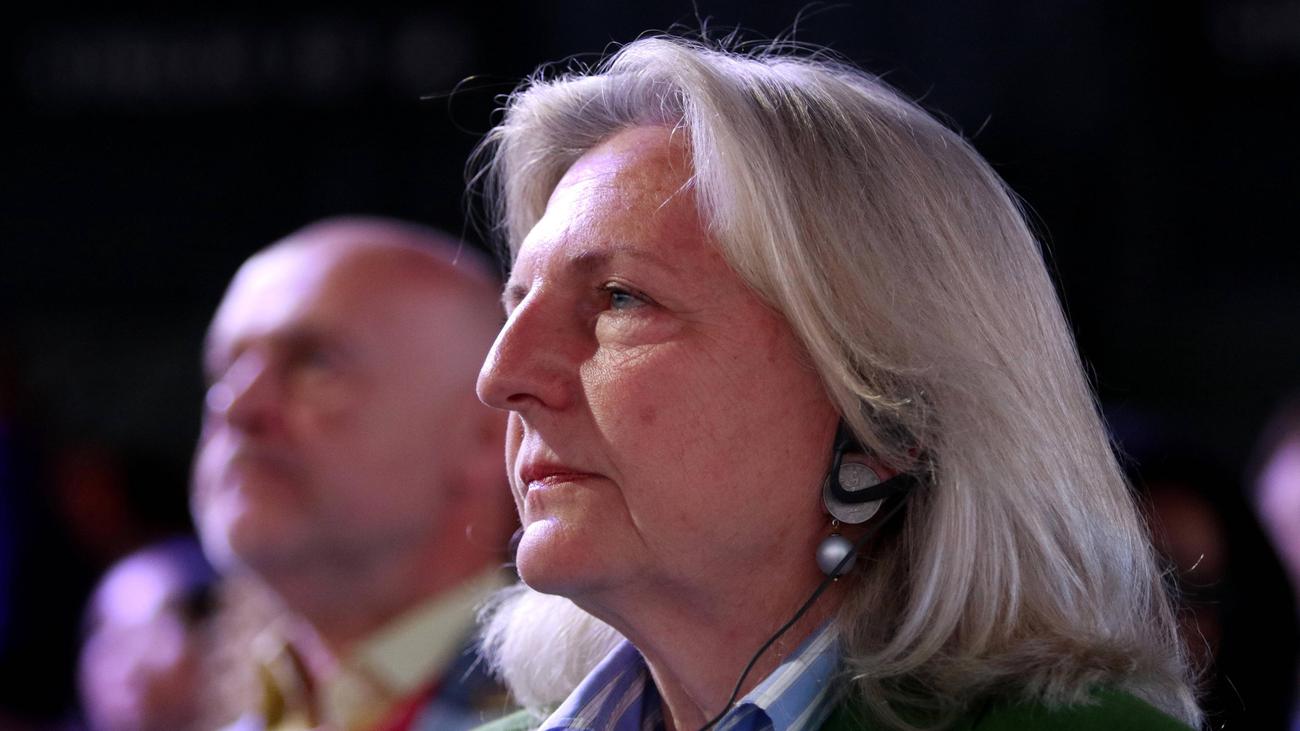
As the international business community navigates an increasingly fragmented geopolitical landscape, the St. Petersburg International Economic Forum continues to serve as a focal point for debates regarding global trade, sanctions, and the shifting loyalties of Western corporations. While historical ties between Russia and various European nations have faced unprecedented strain following the onset of the war in Ukraine, the forum remains a visible arena where some companies weigh the risks of regional instability against the perceived potential of a vast, resource-rich market.
For many observers, the St. Petersburg International Economic Forum represents a complex intersection of political maneuvering and economic pragmatism. Despite the imposition of extensive international sanctions and the withdrawal of numerous multinational firms from the Russian market since 2022, recent data suggests that a significant number of German businesses, for instance, maintain a presence in the country. This ongoing participation highlights the tension between official policy and the long-term strategic interests of private enterprises seeking to protect substantial capital investments.
The Evolution of European Business Engagement
Before the current period of heightened geopolitical tension, Germany held a prominent position as Russia’s primary European trading partner. In 2021, the volume of bilateral trade reached €59.7 billion, a testament to the deep economic integration that had developed over decades. However, the subsequent implementation of sanctions and the resulting shift in international relations have prompted a reassessment of these partnerships. Recent reports indicate that approximately 1,600 German companies continue to operate within Russia, collectively generating an annual turnover of roughly €20 billion.
The decision by these firms to maintain operations is often framed by industry representatives as a matter of asset preservation. Matthias Schepp, chairman of the board of the German-Russian Chamber of Commerce, has noted that Western businesses are keen to safeguard over €100 billion in existing German assets, viewing these investments as an economic bridge that may remain vital in a post-conflict environment. This perspective suggests a desire to avoid long-term exclusion from the Russian market, particularly as other global players, including those from China, have moved to expand their commercial footprint in the region.
Market Sentiment and the Economic Calculus
Despite the operational challenges posed by the current sanctions regime, surveys of the business community reveal a nuanced picture of corporate sentiment. According to recent findings from the German-Russian Chamber of Commerce, a substantial majority of its member companies—roughly 75% of those surveyed—have expressed satisfaction with the development of their businesses in Russia, even in the face of financial losses attributed to the geopolitical climate. For many, the Russian market remains significant, leading to a stated intent by a large portion of these companies to maintain their presence for the foreseeable future.
This persistence is not limited to European firms alone. The participation of representatives from other major economies, including the United States and France, has been observed in recent business dialogues held in conjunction with the forum. Such engagement underscores a broader trend where international stakeholders are carefully balancing the immediate pressures of global policy with the long-term implications of withdrawing from one of the world’s largest resource-rich economies. The rapid expansion of new, locally registered Chinese enterprises further complicates the landscape, as these entities seek to fill gaps left by departing Western counterparts.
Looking Ahead: The Future of the Forum
The twentieth anniversary of the St. Petersburg International Economic Forum, held in 2016, marked a significant milestone in the event’s history, setting a precedent for its role as a high-level platform for economic discussion. While the forum’s format and international attendance have evolved significantly in the years since, it continues to function as an indicator of the state of Russia’s economic ties with the outside world. As the situation remains fluid, the forum will likely continue to attract scrutiny from policymakers, investors, and analysts alike.
For those monitoring the intersection of commerce and international affairs, the coming months will be critical. The degree to which Western companies continue to reconcile their business interests with the evolving regulatory environment will serve as a key metric for the future of global economic integration. As of June 2026, the forum continues to operate as a venue for these ongoing, often contentious, discussions.
We invite our readers to share their perspectives on the changing nature of international business and the role of economic forums in today’s interconnected world. Please join the conversation in the comments section below, and stay tuned to World Today Journal for further updates on these developing global trends.
Related reading