
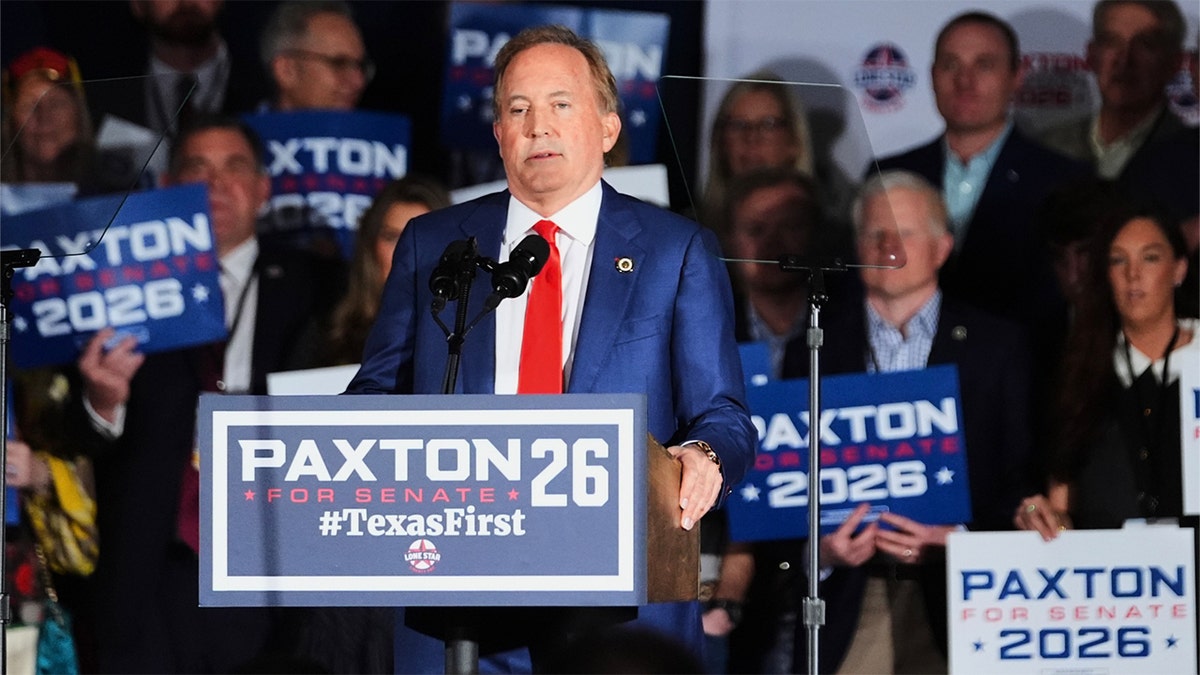
As the political landscape in Texas continues to shift, the intersection of legislative ambition and electoral oversight has become a primary point of contention. The ongoing legal and political maneuvers surrounding Texas Attorney General Ken Paxton have increasingly focused on the state’s approach to voter registration and the activities of advocacy groups, particularly those serving Latino communities. With discussions regarding a potential Senate bid circulating, the stakes for these ongoing investigations and legal challenges have reached a new level of public scrutiny.
The office of the Texas Attorney General has maintained a persistent focus on electoral integrity, a stance that has led to a series of high-profile legal battles. These actions are often framed by the state as essential efforts to protect the ballot box, while critics and civil rights organizations frequently argue that such measures disproportionately impact minority voters and serve to suppress civic participation. This tension is central to understanding the broader implications of Paxton’s political trajectory.
The Legal Landscape of Voter Registration
At the heart of the current conflict are state-level investigations into voter registration practices. The Texas Attorney General’s office has utilized its authority to launch inquiries into various organizations, alleging potential irregularities in how voter registration applications are handled. These investigations have often targeted groups that conduct large-scale outreach, particularly in urban areas and within Latino communities. According to reports from the Texas Office of the Attorney General, these efforts are part of a broader mandate to ensure compliance with the Texas Election Code.
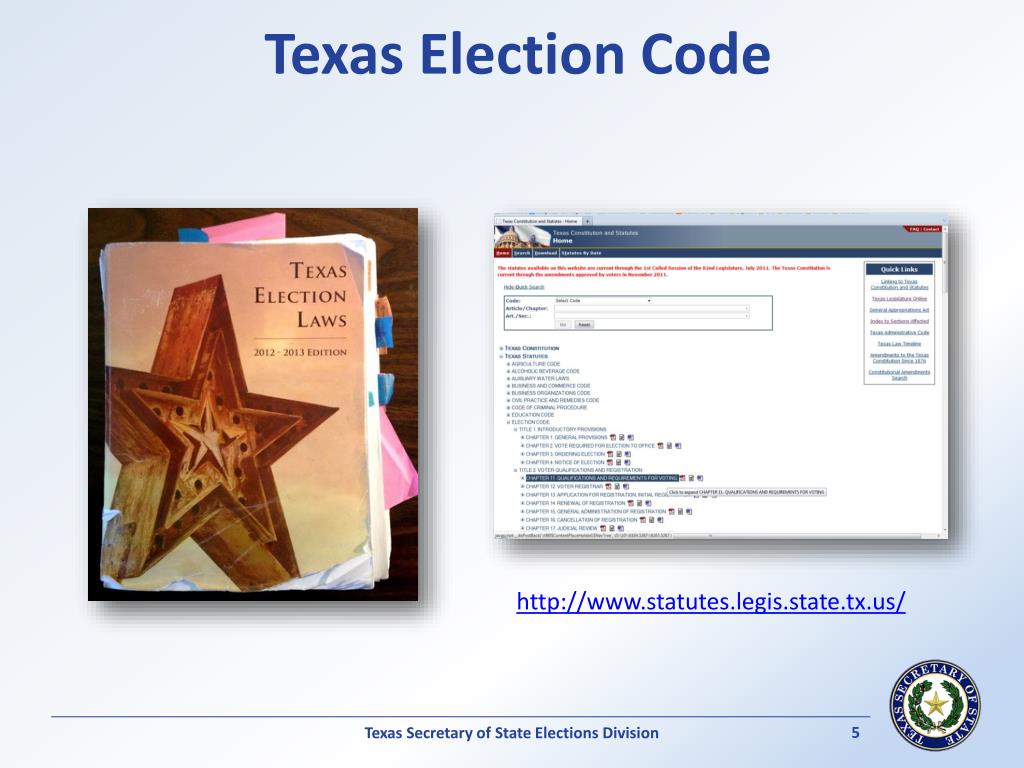
However, these actions have triggered significant pushback. Civil rights groups have contended that these investigations are politically motivated, aimed at intimidating organizers who work to increase turnout among populations that have historically faced barriers to voting. The legal debate often hinges on the interpretation of statutes regarding the collection and submission of voter registration forms. Under Texas law, there are specific requirements for those acting as volunteer deputy registrars, and the state has tightened these regulations in recent legislative sessions, as detailed in the Texas Secretary of State’s election law resources.
Political Ambitions and Institutional Scrutiny
The timing of these legal challenges has led many political analysts to draw connections between the Attorney General’s enforcement priorities and his future electoral plans. As a prominent figure within the Texas Republican Party, Ken Paxton has navigated a series of significant political hurdles, including his 2023 impeachment trial in the Texas Senate. The Senate ultimately acquitted him on all articles of impeachment, a result that effectively solidified his standing within the state’s political establishment, as documented by the Texas Senate records of the proceedings.
The acquittal did more than just allow him to remain in office; it served as a catalyst for a more aggressive posture against perceived political opponents. By framing his legal battles as a fight against a “corrupt establishment,” Paxton has successfully consolidated support among a segment of the base that views his actions as a necessary defense of conservative principles. This strategy has been a hallmark of his tenure, and it remains a central component of any potential campaign for higher office, such as a seat in the U.S. Senate.
Impact on Latino Voter Outreach
The focus on Latino voting groups is particularly significant given the demographic shifts currently reshaping Texas politics. As the Latino population in Texas continues to grow, both major political parties have increased their efforts to secure this voting bloc. The Attorney General’s office argues that its investigations are “race-neutral” and focused solely on the integrity of the process, yet the optics of these investigations often suggest a targeted approach to the organizations most active in these communities.
For many local non-profits and civic engagement groups, the threat of investigation has created a chilling effect. The cost of legal defense and the potential for public accusations of impropriety can deter organizations from engaging in the robust voter registration drives that are vital for democratic participation. The Brennan Center for Justice has frequently documented how such state-level enforcement actions can create significant hurdles for non-partisan groups attempting to facilitate voter registration.
What Happens Next
The legal and political saga is far from over. With the next major election cycle approaching, the actions taken by the Attorney General’s office will likely continue to be a subject of intense litigation. Courts will be tasked with determining whether these investigations exceed the state’s authority or if they fall within the bounds of legitimate election administration.
Observers should monitor the upcoming court filings in cases involving voter registration groups, as these will provide the clearest indication of how the judiciary views the balance between state enforcement power and the right to organize for voter engagement. For voters and advocacy groups alike, the next confirmed checkpoint will be the subsequent status hearings in pending civil litigation, where specific allegations regarding the handling of registration forms will be scrutinized by the bench. We invite our readers to share their thoughts on the balance between electoral security and voting access in the comments section below.
Related reading