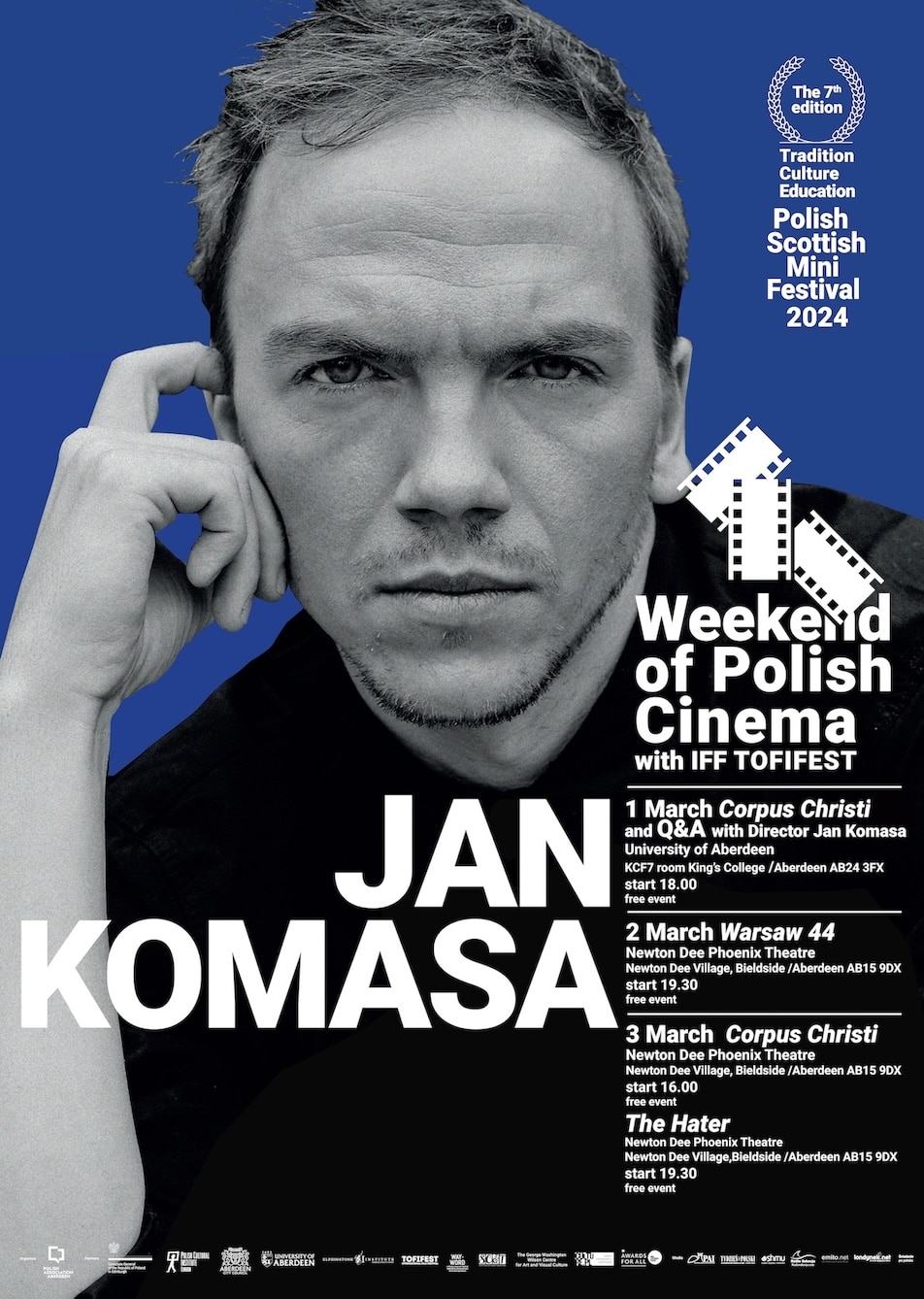
In the evolving landscape of contemporary European cinema, few directors have sparked as much critical discourse as Jan Komasa. Known for his unflinching exploration of social dynamics, isolation and the darker facets of human nature, Komasa’s filmography often invites complex comparisons. Recent critical analysis has drawn a striking, if unconventional, parallel between his directorial work and the classic German illustrated cautionary tale Max und Moritz, penned by Wilhelm Busch in the 19th century.
While the association might seem jarring at first glance, placing a modern cinematic vision alongside a 19th-century satirical poem highlights the timeless nature of “mischief” and the societal consequences of unchecked behavior. This connection, explored in academic and critical circles, suggests that Komasa’s narratives—often centered on the vulnerability and volatility of youth—echo the same themes of transgression and inevitable retribution found in Busch’s iconic work.
The Intersection of Modern Cinema and Literary Satire
Jan Komasa has carved out a distinct niche in world cinema, particularly with acclaimed works such as Corpus Christi (2019) and Suicide Room (2011). These films often examine the collision between individual identity and societal expectation. When critics suggest a link to Max und Moritz, they are frequently pointing toward the portrayal of the “outsider” or the “provocateur” who disrupts the status quo, only to face a harsh, often final, reckoning.
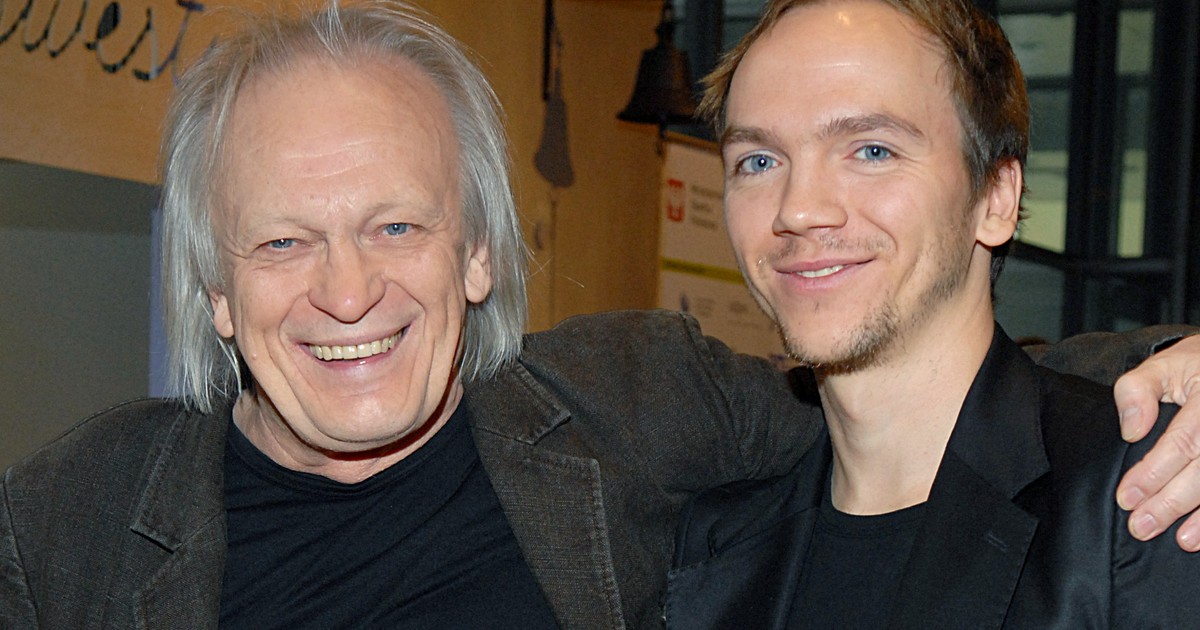
The original Max und Moritz, a foundational piece of German cultural history published in 1865, follows two boys who engage in a series of pranks that escalate in severity until they meet an untimely end. By contrasting this with the psychological depth of Komasa’s characters, critics argue that both works serve as mirrors for the anxieties of their respective eras. Where Busch used caricature to warn against the dangers of moral decay, Komasa uses the medium of film to explore the systemic failures that push individuals toward the edge.
Why the Comparison Resonates Today
The relevance of this comparison lies in the shared preoccupation with the “consequences of actions.” In many of Komasa’s films, the protagonists operate within a vacuum where traditional authority—be it family, religion, or the state—fails to provide sufficient guidance or containment. This theme of moral vacuum is remarkably similar to the world of Busch’s characters, where the adult figures are often as flawed or oblivious as the children are destructive.
For audiences interested in the evolution of storytelling, this dialogue between the 19th-century “picture story” and 21st-century drama provides a unique lens through which to view Komasa’s filmography. It elevates the discussion from simple plot analysis to a broader study of how cultural archetypes of the “troublemaker” persist across centuries. Understanding these roots helps viewers appreciate the deliberate pacing and symbolic weight embedded in Komasa’s directorial choices.
Exploring Komasa’s Thematic Depth
Komasa’s ability to blend high-stakes drama with biting social commentary is what makes his work essential viewing for international film enthusiasts. Whether he is dissecting the impact of digital life on mental health or the complexities of faith in rural communities, he remains consistent in his focus on the human cost of social friction. The reference to Busch’s work is not a suggestion that Komasa is retelling a children’s story, but rather that he is tapping into a similar vein of cultural dark humor and moral finality.
For those looking to deepen their appreciation of European cinema, observing these thematic threads offers a rewarding experience. It demonstrates that even the most modern, edgy films are often rooted in deep-seated literary and cultural traditions that have questioned the nature of humanity for generations.
Key Insights into Komasa’s Narrative Style
- Psychological Realism: Komasa’s characters are rarely archetypes; they are deeply flawed individuals whose motivations are often tangled in their environment.
- Societal Critique: His films frequently highlight the tension between individual desires and the rigid structures of modern society.
- Visual Storytelling: Much like the sequential art of Max und Moritz, Komasa relies heavily on visual cues and composition to convey the gravity of his characters’ choices.
As we continue to follow the trajectory of Jan Komasa’s career, the dialogue between his cinematic output and historical literary influences will likely remain a topic of interest. His next projects are highly anticipated by critics and fans alike, and we encourage our readers to stay tuned for further updates on his upcoming releases and international film festival appearances. For ongoing coverage of the latest developments in European and global cinema, subscribe to our newsletter and join the discussion in the comments section below.