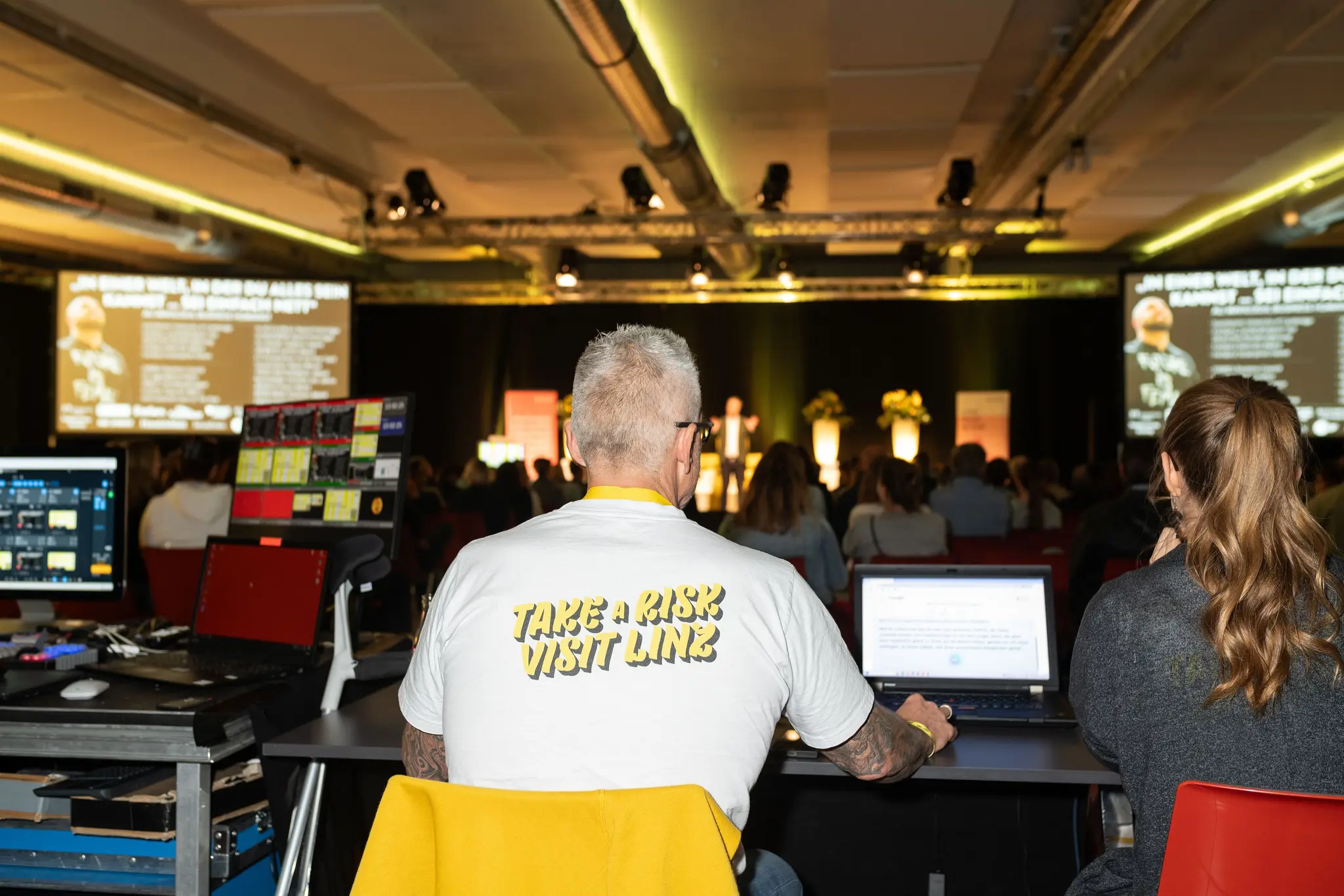
Linz, the vibrant capital of Upper Austria, has firmly established itself as a premier destination for the professional meetings and events sector. According to the latest performance data, the city continues to solidify its reputation as a key hub for organizers, ranking as the third-largest convention city in Austria. This achievement reflects the city’s ongoing commitment to infrastructure development and its ability to attract high-profile gatherings that fuel the local and regional economy.
For those monitoring the Austrian business travel landscape, the Meeting Industry Report Austria (MIRA) provides the definitive benchmark for these activities. The data highlights a robust calendar of 2,372 meetings, congresses and seminars hosted throughout the city during the previous reporting cycle. As a sports journalist, I often draw parallels between the precision required in elite competition and the complex logistics of international conference planning; both demand rigorous preparation and a venue capable of handling significant pressure. Linz, situated along the Danube, has proven it possesses both the capacity and the strategic foresight to remain competitive in this demanding market.
Infrastructure and Economic Impact
The success of Linz as a meeting hub is not coincidental. It is the result of sustained investment in facilities that can accommodate a diverse range of formats, from intimate corporate seminars to large-scale international congresses. The city’s geography—positioned between major transit corridors—plays a vital role in its accessibility. As noted by the City of Linz, the integration of modern transport infrastructure with high-quality cultural and historical amenities creates a unique environment that appeals to event organizers and attendees alike.
The economic ripple effects of these 2,372 events are substantial. Each gathering brings a influx of professionals who utilize local hotels, dining establishments, and secondary services. In an era where business travel is increasingly focused on high-value, face-to-face interaction, cities that offer a blend of technological capability and cultural enrichment—such as the Pöstlingberg vantage points or the historic Old Town—tend to perform best in the MIRA rankings.
Key Factors Driving Growth
- Strategic Location: Situated in Upper Austria, Linz serves as a central meeting point for both domestic and international organizations.
- Versatile Venue Capacity: The city offers a variety of spaces, ranging from traditional conference centers to unique, architecturally significant venues.
- Connectivity: Excellent rail and road links to major European hubs, including Vienna and Salzburg, enhance the city’s desirability.
- Industry Support: A collaborative approach between the municipal government and local tourism boards ensures that logistical support for large-scale events remains seamless.
The Role of MIRA in Industry Standards
The Meeting Industry Report Austria (MIRA) acts as the primary barometer for the health of this sector. By tracking the volume of events, MIRA provides stakeholders with the transparency needed to forecast growth and identify areas for improvement. For Linz, remaining the third-strongest convention city in the country is a clear indicator that the city’s strategy—focusing on both quantity and quality of service—is yielding measurable results.

the data underscores the importance of the “congress city” designation in broader urban planning. As Linz continues to evolve, the focus remains on maintaining the balance between its industrial heritage and its growing status as a service-oriented destination for global talent and business leaders. The city’s ability to host thousands of events annually is a testament to the organizational prowess of local stakeholders who manage the complex requirements of modern professional gatherings.
Looking Ahead: What’s Next for Linz
As we move through the current year, the focus for Linz will be on sustaining this momentum. Prospective organizers and industry observers often look toward the annual updates provided by the Austrian Convention Bureau for insights into upcoming trends and venue developments. While the current figures underscore a period of stability and success, the city’s leadership remains focused on long-term sustainability and the integration of digital, hybrid, and in-person event technologies.
For those interested in the ongoing development of the Austrian meetings market, keep an eye on official announcements from the regional tourism authorities. The next comprehensive evaluation of the industry is expected to shed light on how shifting global travel patterns continue to influence meeting locations across Europe. We encourage our readers to share their thoughts on the evolution of conference cities and whether they believe Linz will continue to climb the ranks in the coming years. Your engagement helps us refine our coverage of the intersection between regional development and global business trends.
Keep reading