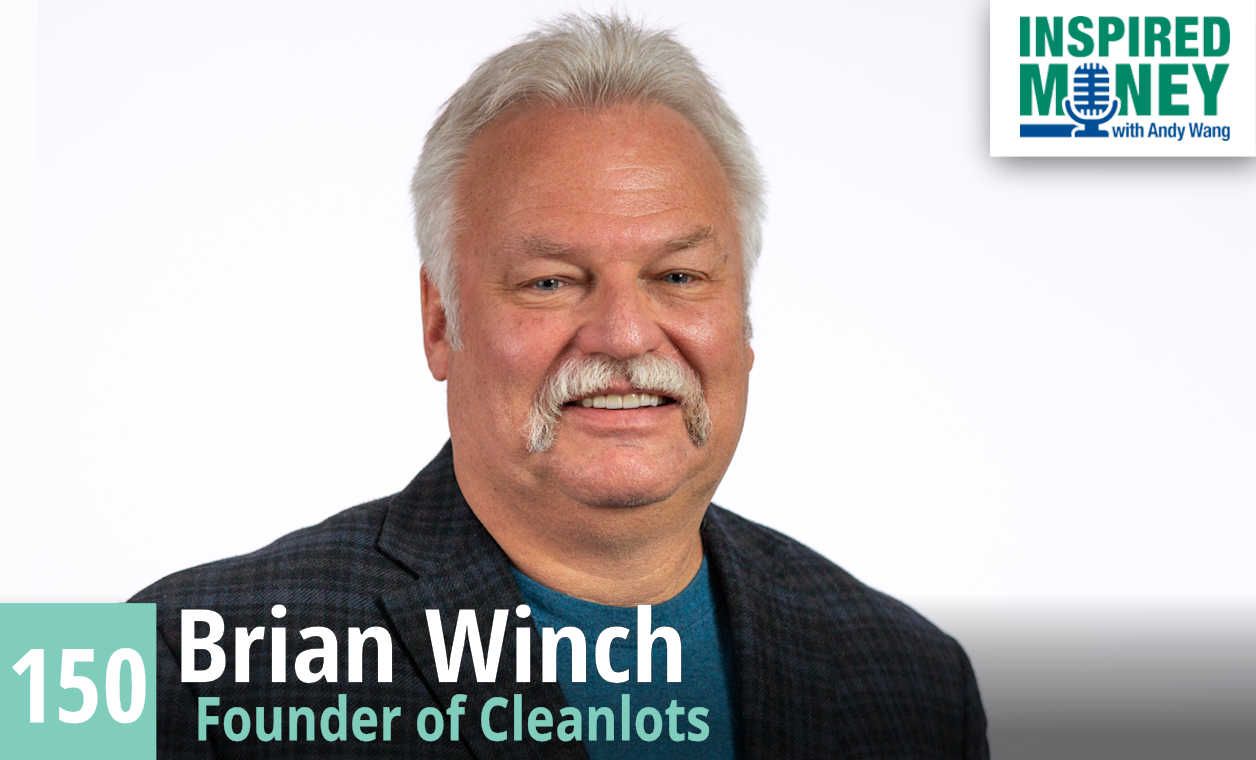
In a global economy increasingly defined by rapid technological shifts and the looming integration of artificial intelligence into traditional labor markets, there remains a persistent demand for services rooted in human observation and physical diligence. For Brian Winch, a business founder based in Canada, the path to long-term entrepreneurial success did not lie in software development or algorithmic automation, but in the enduring necessity of property maintenance. His venture, which focuses on the systematic cleaning of commercial parking lots, serves as a case study in how simple, legacy-based business models can maintain relevance over four decades.
The origins of this enterprise are deeply personal, rooted in the immigrant experience of his father, Joseph Winch, a World War II refugee from Poland who settled in Calgary. The elder Winch navigated various labor-intensive roles—ranging from meatpacking plant work to railway construction and hospital support—to provide for his family. For the younger Winch, these early years established a foundational understanding of the “side hustle” as a survival strategy, long before the term became a staple of modern gig-economy discourse. It was this upbringing that ultimately informed the creation of what he now describes as a resilient, AI-proof business model.
The Evolution of a Service-Based Legacy
Following the sudden passing of his father when he was 21, Brian Winch moved to formalize the practice of cleaning business parking lots into a structured commercial operation. Initially established as Winch Janitorial Services and later evolving into Winch Enterprises, the business focused on a niche that large-scale janitorial firms often overlooked: the meticulous removal of debris, ranging from cigarette butts in landscaped areas to the monitoring of property for graffiti or maintenance issues. This attention to detail became the company’s primary value proposition, distinguishing it from automated street sweepers that often lack the precision required for pedestrian-accessible areas.

The scalability of this model became evident as the business grew, eventually reaching annual revenues exceeding $700,000. The involvement of his twin brothers, who contributed specialized skills in heavy equipment operation and project bidding, allowed the company to expand its reach and operational capacity. This transition from a solo effort to a family-run enterprise highlights the importance of operational division and the application of diverse skill sets within small business management. According to data from the Statistics Canada, small and medium-sized enterprises remain the primary drivers of employment, often relying on such niche service models to navigate competitive market pressures.
Why Human-Centric Services Resist Automation
The “AI-proof” nature of the parking lot cleanup industry centers on the complexity of human environments. While robotics and autonomous systems have made significant strides in manufacturing and logistics, the “last-yard” problem—specifically, the ability to identify and remove small, varied pieces of litter from complex terrain like bushes, stairwells, and curb corners—remains a challenge for current artificial intelligence. The Organization for Economic Cooperation and Development (OECD) has noted that while AI is transforming the labor market, roles requiring high levels of dexterity and unpredictable physical environments are among the least susceptible to immediate automation.
For entrepreneurs, this underscores a vital lesson: business longevity is often found in the “unsexy” work that requires human intuition. Winch’s approach emphasizes that the value provided to property owners is not merely the removal of waste, but the assurance that their facilities are professionally maintained, which contributes to the overall safety and aesthetic appeal of commercial spaces. This service-oriented mindset has allowed the business to thrive for approximately 45 years, surviving multiple economic cycles and shifts in market technology.
Mentorship and the Future of Simple Business
In recent years, the focus of the enterprise has shifted toward education and mentorship. By sharing the methodology behind this “simplest business” model, Winch aims to provide a roadmap for individuals seeking stability outside of the traditional corporate framework. The scalability of the model has been demonstrated by practitioners in various regions, including educators who have successfully operated these services during seasonal breaks, eventually expanding their reach across multiple state lines. This indicates that the barrier to entry remains low, provided the operator maintains a consistent focus on customer service and operational reliability.
The philosophy at the heart of this work is one of service. While the mechanics of the business involve physical labor, the sustainability of the model relies on the relationship between the service provider and the property owner. As business owners look toward the next decade, the ability to identify services that are essential, localized, and resistant to technological disruption will likely remain a key indicator of long-term success. For those interested in the fundamentals of small business operations, resources are available through local Small Business Administration portals, which provide guidance on licensing, insurance, and tax compliance for new ventures.
The legacy of the Winch family business continues to evolve, not through the adoption of complex new technologies, but through the refinement of fundamental service principles. As market conditions continue to shift, the emphasis on reliability, human oversight, and the commitment to being “of service” serves as a reminder that the most durable businesses are often those that address the most basic, yet essential, needs of the community. Future updates regarding industry trends and small business development will be monitored as they become available.
We invite our readers to share their thoughts on the role of human-centric services in an increasingly automated world. Join the conversation below to discuss your experiences with small business entrepreneurship.
Related reading