
The emergence of the Cockroach Janta Party (CJP) in India has triggered a significant debate regarding the intersection of political activism, digital strategy, and national security. Founded in May 2026, the movement has quickly become a focal point for both youth-led mobilization efforts and intense scrutiny from critics who question its funding, organizational transparency, and broader political objectives. As the organization gains traction, particularly in the digital sphere, it faces mounting allegations regarding its alleged links to established political entities and its impact on India’s international reputation.
The movement, spearheaded by Abhijeet Dipke, a former political communications strategist and student at Boston University, describes itself as a platform for accountability. However, the organization’s rapid rise—coinciding with widespread public discourse surrounding the NEET-UG 2026 examination paper leaks and glitches in the Central Board of Secondary Education (CBSE) evaluation processes—has invited skepticism. Critics argue that the CJP’s narrative-driven campaigns are designed to undermine public trust in domestic institutions, a claim that the organization has consistently navigated while facing questions about its financial origins and operational motives.
Questions of Political Affiliation and Transparency
A central point of contention surrounding the CJP involves its alleged connections to the Aam Aadmi Party (AAP). Because Dipke previously served as a volunteer for the AAP’s social media operations, some observers have suggested that the CJP functions as an informal or auxiliary digital wing for the party. These claims have fueled a broader narrative that the organization is not an independent grassroots movement but rather a strategic tool for political messaging. Despite these allegations, the CJP has maintained a focus on its stated goal of fostering youth-led dialogue on governance, and accountability.


The scrutiny intensified following statements made by Saurav Das, a journalist and spokesperson for the CJP. Das, who has been vocal on several high-profile social and political issues, faced backlash after publicly calling for the release of student activist Umar Khalid. This stance drew criticism from various quarters, with detractors arguing that such advocacy aligns the CJP with elements they characterize as anti-India. This specific incident has served as a catalyst for those who claim the organization is working with groups that threaten national interests, further complicating the CJP’s standing in the Indian political landscape.
The Cockroach Janta Party (CJP) has dismissed allegations regarding its funding during a recent press conference in Delhi, arguing that its activities are transparent and focused on public interest.
Navigating Foreign Funding Allegations
Perhaps the most serious challenge facing the CJP concerns its financial operations. Amidst the intense public mobilization regarding the NEET-UG 2026 examination, official complaints have been lodged alleging that the movement is being supported by foreign entities. These allegations, which remain a subject of active discussion, have prompted demands for complete transparency regarding how the organization manages its funds and coordinates its campaigns. Critics argue that any movement capable of mobilizing large numbers of youth on sensitive national issues must be held to strict regulatory standards regarding its financial backing.
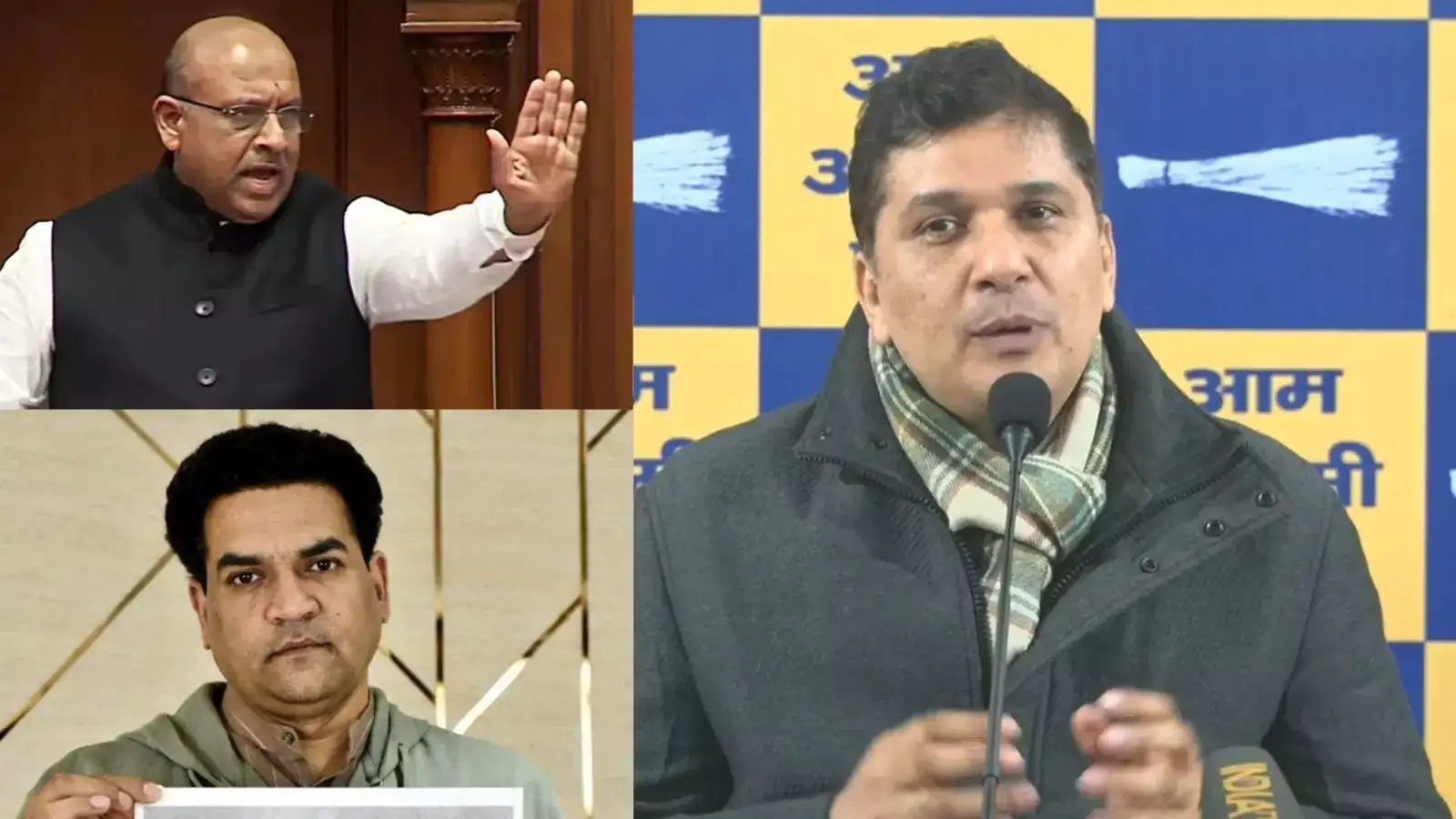
The CJP has attempted to address these concerns through public forums, with spokespeople characterizing the funding allegations as attempts to discredit a legitimate youth movement. However, the legal and social pressure remains high. The organization’s reliance on digital platforms to disseminate its messaging has made it challenging for regulatory bodies to categorize its activities, leading to a broader debate in India about how social media-based political movements should be regulated under current national security frameworks.
The Path Forward for the CJP
As the debate continues, the CJP finds itself at a crossroads. Its ability to maintain its influence will likely depend on its capacity to provide clear, verifiable answers to the questions posed by its critics. For many supporters, the movement represents a necessary push for institutional reform and student rights. For its detractors, it remains a source of concern regarding national stability and the potential for foreign influence in domestic political discourse.
Moving forward, the focus is expected to shift toward whether formal investigations will be launched into the movement’s financial disclosures and the nature of its international connections. Stakeholders on both sides are waiting for further clarity as the situation develops. Readers interested in the latest updates regarding the status of these complaints and any subsequent regulatory actions are encouraged to monitor official government portals and verified legal filings for the most accurate information.
What are your thoughts on the role of digital-first political movements in shaping national discourse? We invite you to join the conversation and share your perspectives in the comments section below.
Worth a look
- Russia Faces New Mobilization Fears as Citizens Flee the Country Again
- Chicago Fire Season 15: Dermot Mulroney’s Return and CFD Brass Details
- Olivia Wilde’s New Dinner Party Movie: Cast and Plot Details (archynewsy.com)
- Controversy Over Camera Angles and Broadcasting Rules for Female Athletes (newsdirectory3.com)