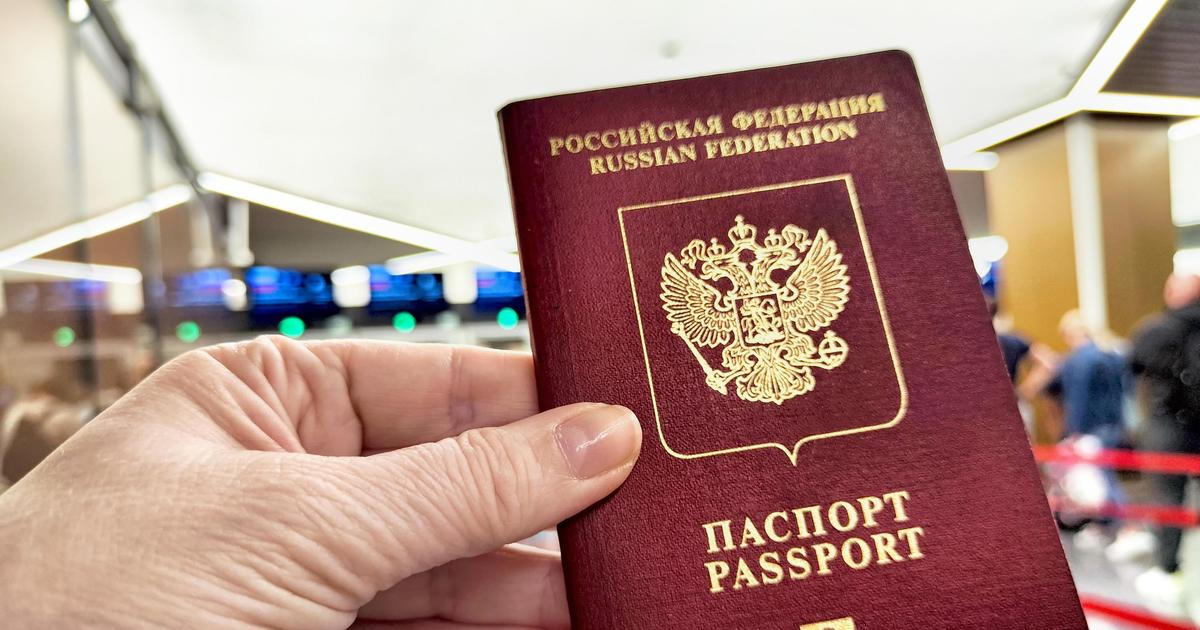
Rumors of a renewed military mobilization continue to circulate across Russia, prompting thousands of citizens to reassess their options and, in many cases, pack their belongings to leave the country. While official Kremlin spokespersons repeatedly deny plans for a second wave of conscription following the partial mobilization ordered in September 2022, lingering public anxiety and tightening legal restrictions have driven a steady stream of departures toward neighboring states and transit hubs.
According to reports by independent regional monitors and human rights organizations, the fear of an unexpected decree has triggered renewed activity at international land borders and airport ticketing counters. Although Russian authorities maintain that current recruitment relies entirely on voluntary contracts, citizens point to a series of legislative changes—including heavier penalties for draft dodging and the digitization of military summons databases—as clear indicators that further call-ups remain legally possible at any moment.
The atmosphere of uncertainty has particularly affected young professionals, IT workers, and families with military-age members. Independent sociological surveys cited by opposition media outlets indicate that a substantial percentage of the urban population remains skeptical of official assurances, preferring the disruption of relocation to the risk of active duty service.
Legislative Shifts Fuel Persistent Public Anxiety
Public apprehension is largely rooted in structural changes to Russia’s military registration system introduced over the past two years. In April 2023, Russian lawmakers approved legislation establishing a digital registry of conscripts, replacing traditional paper summonses with electronic notices that take effect the moment they appear in a government web portal.
Once an electronic notice is logged, recipients face immediate restrictions on their civil liberties, including a ban on leaving the country, suspending driver’s licenses, and freezing property transactions. Human rights lawyers note that these automated measures remove traditional administrative hurdles, making it significantly harder for citizens to ignore or contest a summons before facing punitive action.
Compounding these fears, amendments to the Russian Criminal Code raised prison sentences for desertion, insubordination, and voluntary surrender during periods of mobilization or martial law. Legal aid groups operating inside and outside the country report a surge in inquiries regarding passport renewals, power of attorney documents, and relocation logistics as individuals attempt to safeguard their assets before potential travel restrictions take effect.
Destination Hubs and Economic Realities
As departure numbers fluctuate, migrants face a shifting landscape of destination countries. Traditional transit routes into the South Caucasus, Central Asia, and parts of the European Union have grown more complex due to stricter visa requirements and tighter banking regulations for Russian nationals.
Countries such as Armenia, Georgia, and Kazakhstan continue to host significant communities of Russian expatriates who departed during the initial 2022 mobilization wave. However, local housing markets, employment restrictions, and rising living costs have made long-term settlement challenging. Meanwhile, entry restrictions implemented by neighboring European Union member states—including Finland, Estonia, Latvia, and Lithuania—have effectively closed off direct land crossings for tourist and transit purposes, leaving air travel via third countries as the primary remaining option.
Economic analysts observing the outflow note that while the departure rate no longer matches the sudden spikes seen immediately following the autumn 2022 decree, a persistent “brain drain” continues to impact key economic sectors, particularly technology, engineering, and specialized manufacturing. Companies across Russia report ongoing labor shortages as experienced specialists choose exile over potential conscription.
Official Responses and Monitoring
Russian government officials have consistently pushed back against reports suggesting a new mobilization wave is imminent. Kremlin spokesperson Dmitry Peskov has repeatedly stated that military planners possess sufficient numbers of contract volunteers to sustain ongoing operations, characterizing reports of impending forced conscription as speculative or deliberate misinformation.
Despite these assurances, independent journalists and civil society monitors emphasize that the legal framework for mobilization remains fully intact, leaving the government the authority to issue a new decree at any time without legislative approval. Independent tracking groups continue to monitor regional recruitment office activity, transportation ticket pricing, and border crossing statistics to assess the true scale of public movement.
The next official updates regarding military staffing numbers and demographic shifts are expected during scheduled legislative sessions and ministerial briefings in Moscow. Readers seeking verified updates on travel advisories, consular services, and legal rights are encouraged to consult official diplomatic notices and established human rights documentation organizations.
Keep reading