The United States Department of Defense has faced intensified scrutiny regarding its internal security protocols as reports emerge concerning the vulnerability of sensitive diplomatic communications. At the center of these concerns is a growing espionage threat from Israel, an ally that intelligence assessments suggest has engaged in activities aimed at monitoring classified American negotiations with Iran. These developments highlight the complex nature of intelligence gathering among traditional partners and the significant challenges the Pentagon faces in maintaining the integrity of its most sensitive national security discussions.
For the U.S. defense establishment, the challenge of protecting state secrets is compounded when the suspected entities are nations with which the United States shares deep military and intelligence ties. The current assessment of counterintelligence risks reflects a heightened state of vigilance within the Pentagon, as officials evaluate the extent to which diplomatic channels may have been compromised. This situation underscores the broader necessity for robust cybersecurity and operational security measures, even among long-standing international partners.
The Scope of Counterintelligence Concerns
The primary concern regarding the espionage threat from Israel involves the potential interception of high-level diplomatic data. According to analysis from the U.S. Department of Defense, maintaining the security of negotiations—particularly those involving complex geopolitical matters like the Iranian nuclear file—is a critical priority for national security. Intelligence officials have increasingly focused on identifying potential vulnerabilities in communication networks that could be exploited by foreign actors to gain insight into American policy positions before they are formally presented at the negotiating table.
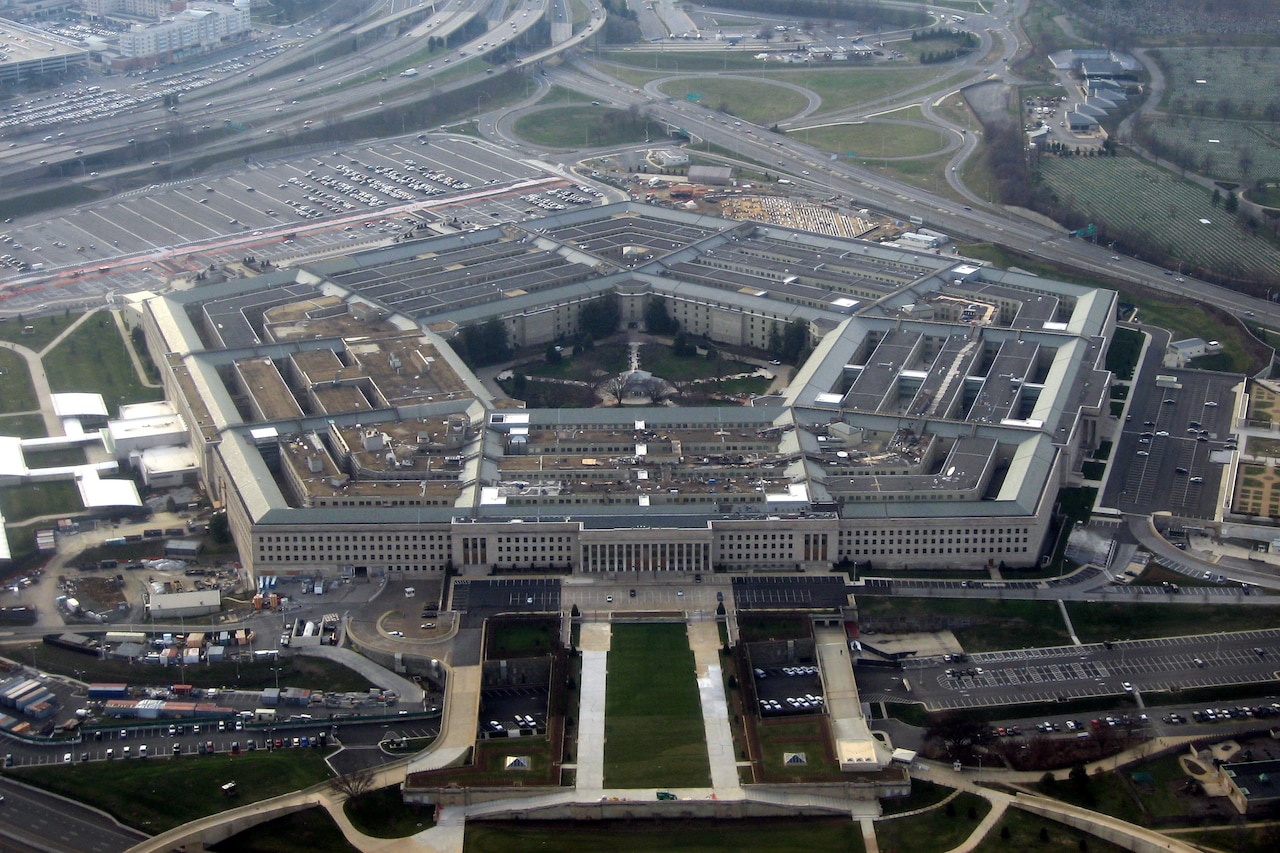
While the U.S. maintains a comprehensive intelligence-sharing relationship with Israel, the distinction between collaborative intelligence and unauthorized surveillance remains a point of friction. The Pentagon’s internal review processes are designed to mitigate these risks, yet the persistence of such incidents suggests that the threat environment remains volatile. The Office of the Director of National Intelligence regularly updates threat assessments to account for the evolving capabilities of both adversaries and allies, ensuring that the defense sector remains prepared for potential breaches of sensitive information.
Diplomatic Impact and Oversight
The alleged eavesdropping on U.S.-Iran negotiations presents a delicate diplomatic challenge for the current administration. When the U.S. engages in multilateral or bilateral talks, the expectation of confidentiality is paramount to the success of the process. If these communications are intercepted, it can undermine the trust required for effective diplomacy and force the Department of Defense to re-evaluate its communication security (COMSEC) protocols. Such incidents often trigger formal reviews by relevant congressional committees, including the Senate Select Committee on Intelligence, which provides oversight of the activities conducted by the intelligence community.
The impact of such espionage often extends beyond the immediate negotiations. It can lead to a hardening of positions, as negotiators become increasingly wary of the security of their discussions. For the U.S. defense community, the goal is to balance the requirement for transparency with allies against the absolute necessity of protecting non-public diplomatic strategies. The Department of Defense continues to emphasize the importance of rigorous security training and the implementation of advanced encryption technologies to prevent unauthorized access to sensitive data streams.
Future Security Protocols and Monitoring
Looking ahead, the Pentagon is expected to continue its focus on tightening access to classified briefings and secure communication lines. This involves not only technical upgrades but also a stricter enforcement of “need-to-know” policies during sensitive diplomatic windows. The Department of State also plays a vital role in these efforts, coordinating with defense officials to ensure that diplomatic personnel are aware of the risks associated with current geopolitical tensions.
As the situation develops, observers will look for updates from the Department of Defense regarding the efficacy of new counterintelligence measures. Any future hearings or official reports from the Government Accountability Office regarding cybersecurity infrastructure may provide further insight into how the government intends to address these ongoing vulnerabilities. Maintaining the security of the nation’s diplomatic efforts remains a core mission, one that requires constant adaptation to the shifting tactics of intelligence gathering worldwide.
We invite our readers to share their perspectives on the balance between alliance security and national interest in the comments section below. For ongoing updates on this story, please monitor the official press releases issued by the Pentagon and relevant government oversight bodies.
Worth a look