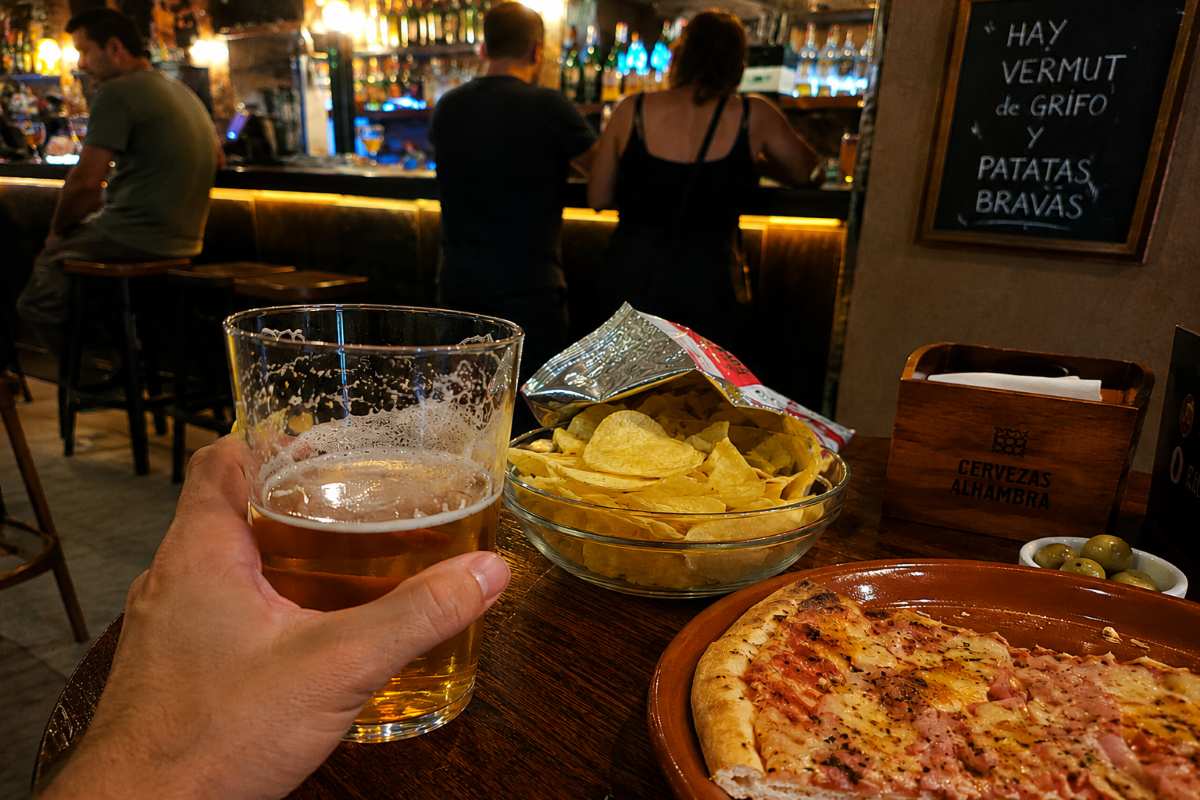
Research suggests that alcohol consumption may trigger cravings for high-calorie, salty, and fatty foods—such as pizza and french fries—by temporarily altering the brain’s hunger-regulating circuits. While the social tendency to pair a drink with a snack is well-documented, recent neuroscientific investigations have begun to clarify the physiological mechanisms that drive this “aperitif effect,” highlighting how alcohol interacts with specific neurons in the brain to amplify appetite despite the caloric density of the beverage itself.
As a physician, I have frequently discussed the complexities of metabolic health with my patients, and understanding why we reach for specific comfort foods after a drink is a vital component of nutritional literacy. This phenomenon is not merely a matter of poor willpower; it is a complex biological response involving neural pathways that govern our primal drive to eat. By examining the intersection of alcohol intake and dietary choice, we can better understand the behavioral patterns that influence our long-term health and wellness.
How Alcohol Influences Brain Signaling
The biological drive to consume calorie-dense foods while drinking is largely linked to the brain’s homeostatic appetite centers. Specifically, research conducted at the Francis Crick Institute has identified that alcohol can activate AgRP neurons, which are typically associated with the body’s starvation response. When these neurons are triggered, the brain receives an artificial signal that the body is in a state of energy deficit, effectively overriding satiety signals and promoting a strong desire for food intake.
According to the findings published by the Francis Crick Institute, this activation occurs even when the body has already received sufficient caloric intake from the alcohol consumed. This neurobiological “mismatch” explains why individuals often find themselves craving savory, high-fat foods even after consuming alcohol, which is itself energy-dense. By simulating a state of hunger, the brain nudges the individual toward calorie-rich options, which are evolutionarily prioritized during times of perceived scarcity.
The Impact of Food Choices and Metabolic Health
When these cravings strike, the preference for “junk food”—often characterized by high sodium and saturated fat content—is not accidental. The combination of alcohol and processed foods can lead to a significant surge in total caloric intake, often exceeding the requirements for a single meal. This is particularly relevant when considering the long-term effects on metabolic health, as frequent spikes in blood sugar and fat consumption can challenge the body’s ability to regulate glucose effectively.
The World Health Organization (WHO) has consistently emphasized that high alcohol consumption is a global public health concern, linked to numerous non-communicable diseases. Understanding the link between alcohol and dietary cravings provides a clearer picture of why alcohol use is frequently associated with poor nutritional outcomes. By recognizing that these cravings are a physiological reaction rather than a simple lapse in judgment, individuals can implement strategies to manage their intake, such as ensuring healthy, balanced meals are consumed prior to social drinking.
Managing Appetite in Social Settings
For those looking to mitigate the effects of alcohol-induced cravings, awareness is the first step. Because the brain’s hunger-regulating neurons are being “tricked,” opting for high-protein or high-fiber snacks before or during alcohol consumption may help stabilize blood sugar levels and dampen the intensity of the signals sent by the AgRP neurons. Hydration also plays a critical role, as alcohol is a diuretic, and the brain can sometimes misinterpret signals of mild dehydration as hunger.
As we continue to learn more about the gut-brain axis and the neurobiology of appetite, it becomes increasingly clear that our dietary choices are influenced by a wide array of internal and external factors. Future research will likely continue to explore how different types of alcohol and dietary habits interact over the long term. For now, the best approach remains mindful consumption and an understanding of how our own physiology responds to social habits.
For further updates on public health guidance regarding nutrition and alcohol, readers can consult the latest resources provided by the World Health Organization. If you have questions about how these biological processes affect your personal health, I encourage you to discuss them with your primary care provider at your next check-up. Please feel free to share your thoughts or experiences in the comments below.