
In the evolving landscape of digital security, health system IT leaders are increasingly questioning a long-standing industry standard: the reliance on training completion rates as a primary metric for cybersecurity health. Modern research indicates that while staff are often labeled the “weakest link” in a hospital’s defense, this framing may be fundamentally flawed. Instead, evidence suggests that the behaviors determining whether a cyber breach occurs—such as clicking on a malicious link—are often disconnected from the volume of compliance-based training modules an employee has completed.
As we navigate the complexities of protecting sensitive patient data, it is becoming clear that security teams must shift their focus from mere participation to the practical, behavioral outcomes that actually mitigate risk. For hospitals, where the stakes involve both operational continuity and patient safety, understanding this shift is not just a technical necessity; it is a critical component of institutional resilience.
Beyond Compliance: Why Training Rates Can Be Deceptive
For years, many healthcare organizations have relied on internal dashboards showing high percentages of staff who have finished mandatory cybersecurity training. While these figures provide a sense of administrative accomplishment, they frequently fail to correlate with a reduction in actual security incidents. According to guidance from the Cybersecurity and Infrastructure Security Agency (CISA), effective security awareness must move beyond static compliance to foster a culture of vigilance that recognizes real-world phishing attempts.
The core issue lies in the difference between knowing a policy and practicing it under pressure. An employee might correctly answer a quiz about password complexity or identify a suspicious email in a classroom setting, yet still fall victim to a sophisticated social engineering attack during a high-stress clinical shift. When security teams prioritize completion rates, they may inadvertently create a false sense of security, leading to underinvestment in more effective, behavior-based defenses such as advanced email filtering and multi-factor authentication protocols.
The Human Element as a Complex Challenge
Labeling human beings as the “weakest link” is a reductive approach that ignores the systemic pressures within modern healthcare environments. Medical professionals operate in high-velocity settings where the pressure to access information quickly can sometimes conflict with security protocols. As noted by the U.S. Department of Health and Human Services (HHS) regarding HIPAA security rules, administrative safeguards must be balanced with the practical realities of clinical workflow to be truly effective.
Rather than viewing staff as a liability to be managed through repetitive training, forward-thinking health systems are beginning to treat the human element as a core design challenge. This means implementing “frictionless” security measures that protect the user without hindering patient care. By integrating security directly into the tools clinicians use every day, organizations can reduce the cognitive load on staff, thereby lowering the likelihood of an accidental breach.
Strategies for Health System Security Teams
To move toward a more robust defense, security leaders should consider shifting their metrics. Instead of tracking how many employees watched a video, teams should focus on engagement data, such as the speed of reporting suspicious emails or the reduction in click-through rates on simulated phishing tests. These metrics offer a clearer picture of how well a workforce is prepared to act as a frontline defense.
Furthermore, fostering a “no-blame” reporting culture is essential. When staff feel empowered to report a potential mistake—such as clicking a link—without fear of immediate punitive action, they provide the IT department with the critical intelligence needed to contain a breach before it spreads. This transparency is supported by National Institute of Standards and Technology (NIST) guidance, which emphasizes that organizational culture and incident response capabilities are as vital as technical infrastructure.
Next Steps for Healthcare Organizations
The conversation around cybersecurity in healthcare is far from over. As threat actors continue to target medical institutions with ransomware and data extortion schemes, the pressure on IT teams to demonstrate tangible risk reduction will only intensify. Organizations are encouraged to review their current security awareness programs against the latest threat intelligence reports published periodically by the Health Sector Cybersecurity Coordination Center (HC3).
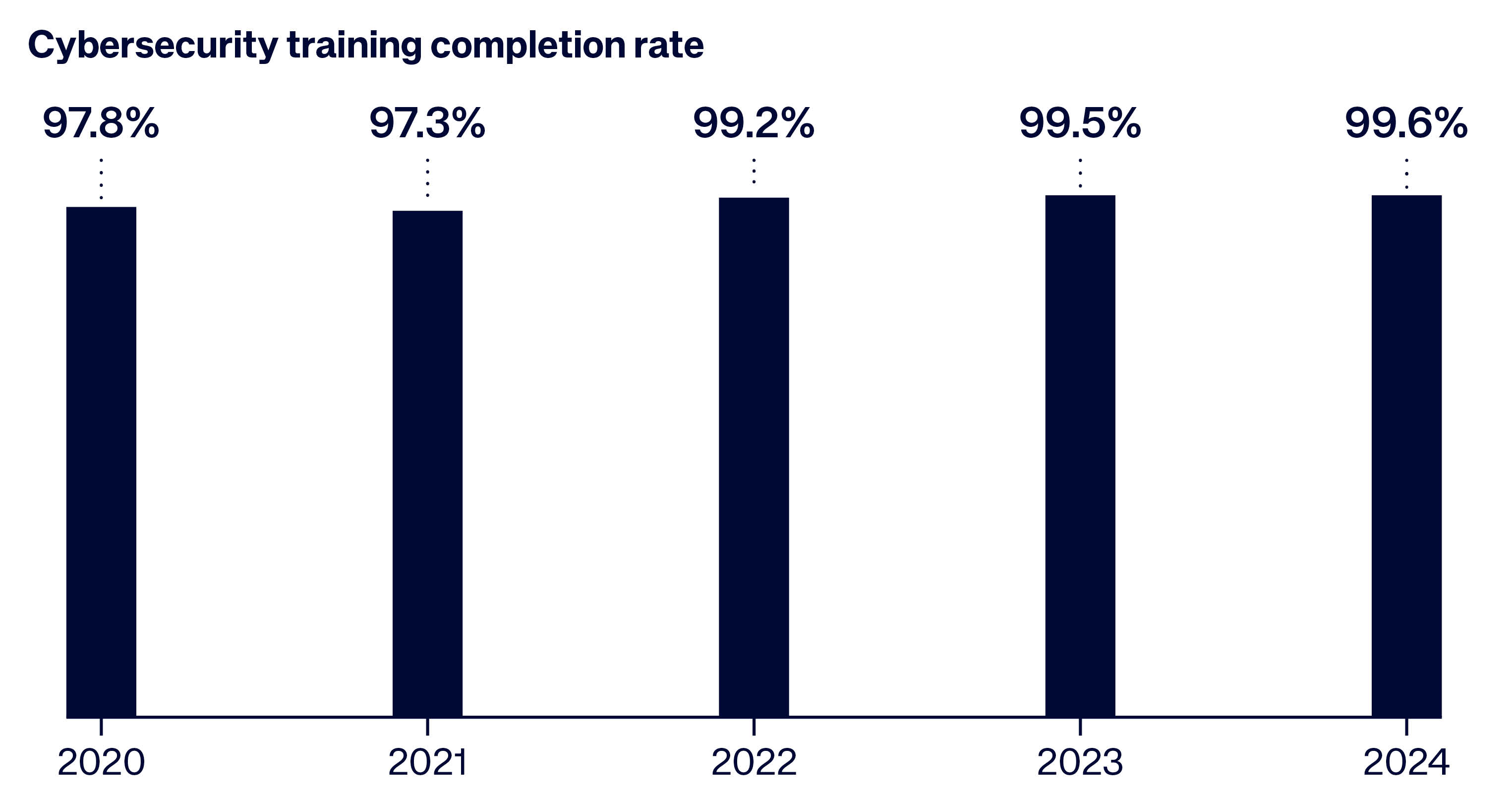
Security teams should prioritize the next cycle of risk assessments to determine whether their existing training materials are actually driving the behavioral changes necessary to stop modern attacks. By moving away from vanity metrics and focusing on the human-centric reality of digital interaction, health systems can build a more resilient infrastructure that protects both the digital and physical lives of their patients.
How is your organization adapting its security training to meet these challenges? Share your thoughts and experiences in the comments below, or join the ongoing discussion in our next community webinar focused on clinical-IT integration.
Related reading