
Forza Horizon 6 has officially arrived, transporting the series to the diverse landscapes of Japan. As players explore the neon-lit streets of urban centers and the winding mountain passes of the Japanese countryside, the title continues its tradition of high-fidelity automotive spectacle. While the release brings a fresh geographic aesthetic to the franchise, technical reviews and player feedback suggest that the core gameplay loop remains largely consistent with previous iterations, prompting discussions regarding the balance between iterative refinement and bold innovation.
For PC players, the transition to the Japanese setting is marked by the series’ signature visual polish. The rendering of environments—ranging from the dense architecture of cities like Edogawa to the natural vistas of the highlands—utilizes modern hardware to deliver a highly detailed experience. However, early assessments indicate that while the graphical fidelity is high, the fundamental mechanics of the Forza Horizon formula have seen limited evolution. This focus on consistency ensures that veteran players will feel immediately comfortable, though some may find the lack of significant structural changes a point of reflection for the series’ future direction.
Technical Performance and Visual Fidelity on PC
The PC version of Forza Horizon 6 serves as a benchmark for the series’ technical capabilities. Optimization remains a priority, with the game offering a wide array of graphical settings to accommodate various hardware configurations. Players seeking to capture the nuances of the Japanese environment—from rain-slicked asphalt to the intricate lighting of nighttime cityscapes—are provided with a comprehensive photo mode. This feature set has become a staple for the community, enabling users to document their vehicles with professional-grade digital photography tools.
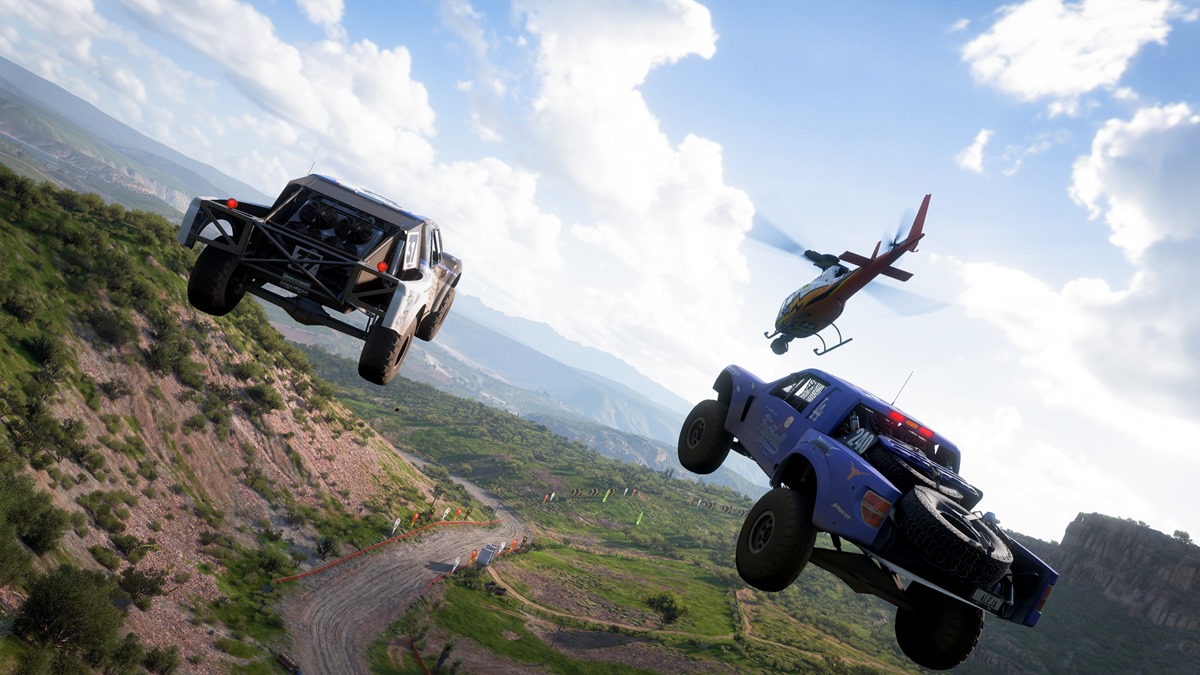
Despite the visual achievements, the game’s transition to the PC platform highlights the importance of driver updates and hardware compatibility. Users encountering performance variances often look to official support channels or community benchmarks to calibrate their settings. As of June 2026, the developer continues to monitor feedback regarding frame rate stability and input latency, ensuring that the experience remains fluid across the diverse spectrum of gaming PCs currently in use.
Community Dynamics and Multiplayer Challenges
Beyond the visual and mechanical aspects, the social layer of Forza Horizon 6 has become a focal point for the player base. The open-world nature of the game encourages spontaneous interaction, yet this freedom has introduced challenges in multiplayer environments. Recent reports within the community have highlighted tensions regarding “ramming” behavior, where some drivers intentionally collide with others, disrupting the experience for those attempting clean races or precision driving.
In response, a significant segment of the player community has advocated for more robust “ghosting” mechanics—a feature that allows vehicles to pass through one another to prevent collisions in competitive or high-density zones. This request reflects a broader desire for a structured environment that prioritizes sportsmanship. Developers often navigate these requests by balancing the chaotic, fun-first philosophy of the Horizon series with the competitive integrity demanded by its most dedicated racers.
Engaging with the World of Forza Horizon 6
The game’s structure relies heavily on discovery and completionism, with weekly challenges serving as the primary driver for ongoing engagement. These tasks, such as locating specific landmarks like baseball stadiums in regions like Edogawa, encourage players to explore every corner of the map. This approach keeps the world feeling populated and relevant, even weeks after the initial launch.

For those looking to maximize their experience, participating in these seasonal events is essential. The integration of social media sharing and community-driven challenges ensures that individual accomplishments, such as capturing the perfect sunset photo or setting a new lap record, are celebrated within the broader ecosystem. As the development team continues to roll out updates, players can expect the list of challenges and seasonal content to evolve, maintaining the title’s presence in the competitive racing genre.
The next major update for the game is expected to follow the established seasonal cadence, with official announcements regarding content patches and balance tweaks typically disseminated through the developer’s primary communication channels. Players are encouraged to monitor these official updates to stay informed about upcoming features and community events. Share your thoughts on the new Japanese setting and your experiences with the latest PC performance updates in the comments below.
Keep reading