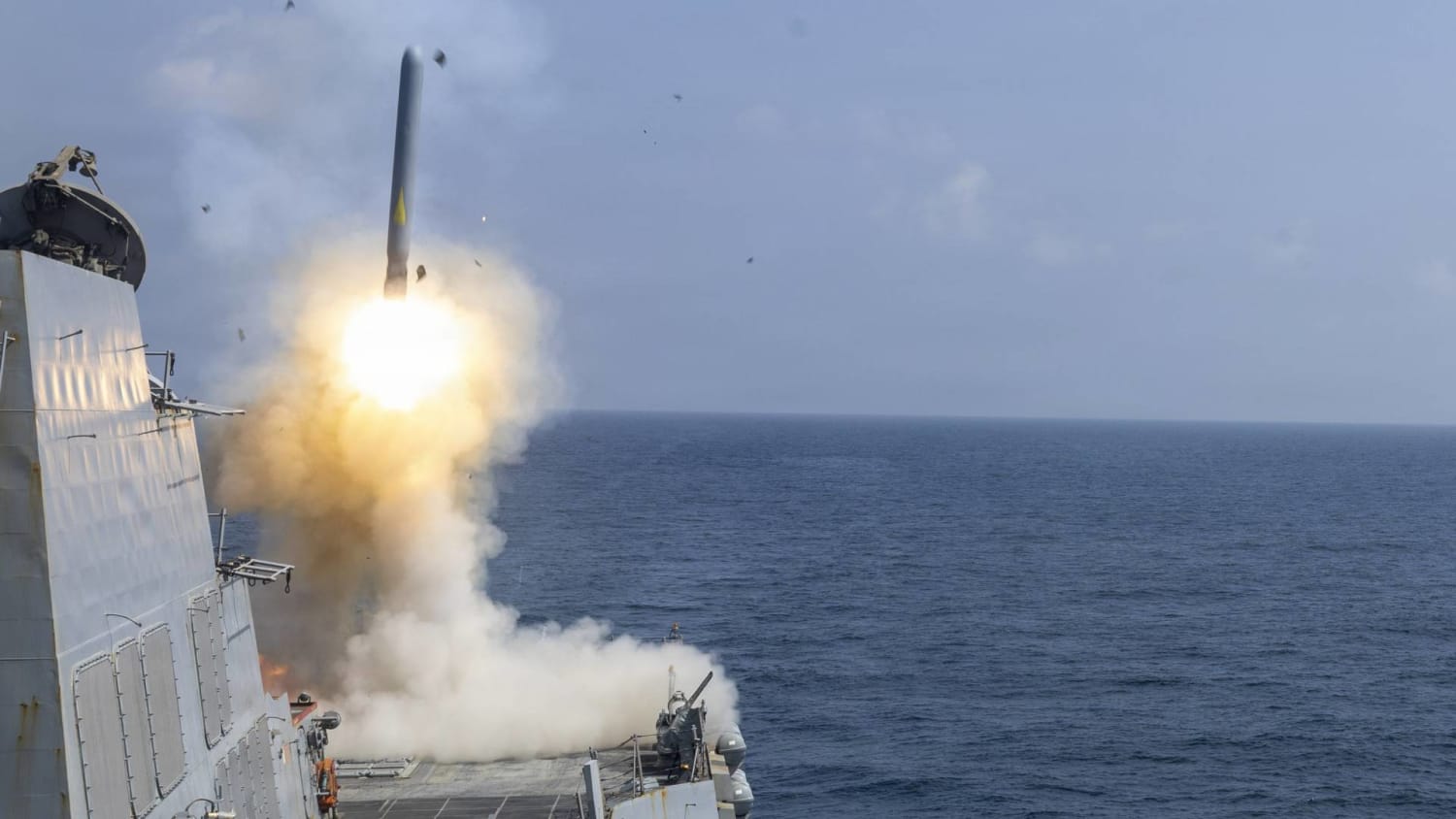
United States military officials have reported the successful interception of projectiles in the Strait of Hormuz, a critical maritime chokepoint for global energy supplies. The incident comes amid heightened regional tensions, prompting concerns from Gulf nations regarding the stability of international shipping routes and the broader economic implications of the ongoing geopolitical friction involving Israel and the United States.
As the primary conduit for a significant portion of the world’s seaborne oil, the Strait of Hormuz remains a focal point for military posturing. According to the U.S. Energy Information Administration, this narrow waterway sees millions of barrels of petroleum pass through daily, making any disruption a matter of immediate global economic concern. The recent interception highlights the precarious nature of maritime security in the region as naval forces maintain a heightened state of readiness.
Regional Tensions and Economic Stability
Gulf Cooperation Council (GCC) member states have expressed alarm over what they characterize as a significant escalation in regional hostilities. This concern is rooted in the interplay between long-standing diplomatic disputes and recent military maneuvers. Financial analysts at the International Monetary Fund have previously noted that sustained uncertainty in the Middle East poses a direct risk to global inflation and supply chain continuity, particularly through energy price volatility.
The current climate of instability is often viewed through the lens of shifting alliances and defense policies. While regional leaders have called for de-escalation, the presence of various naval assets in the Persian Gulf continues to serve as a deterrent against potential blockades or direct aggression. The U.S. Central Command remains the primary entity responsible for coordinating maritime security operations in this theater, working alongside international partners to ensure the freedom of navigation.
Navigating Maritime Security Protocols
For international shipping firms and insurers, the Strait of Hormuz represents a high-risk zone where operational protocols are frequently adjusted based on intelligence updates. According to the Maritime Executive, vessels traversing the area often employ enhanced security measures, including the use of armed guards and specialized tracking technology, to mitigate the risk of seizure or interference.
The economic impact of these developments is felt most acutely in the energy commodities market. When military activity increases in the Strait, traders often anticipate a “risk premium” on crude oil prices. This phenomenon creates a ripple effect, influencing everything from global shipping insurance premiums to the cost of consumer goods that rely on fuel-intensive logistics chains.
What Happens Next
The situation remains fluid, with ongoing monitoring by international observers and regional governments. The next major checkpoint for the international community will be the upcoming session of the United Nations Security Council, where representatives are expected to discuss the maintenance of international peace and security in the Persian Gulf. Observers are also watching for any new formal advisories from the U.S. Maritime Administration regarding transit safety in the region.
We will continue to provide updates as official statements are released by the involved parties. If you have insights or observations regarding the impact of these developments on your sector, please feel free to share them in the comments section below.
Worth a look