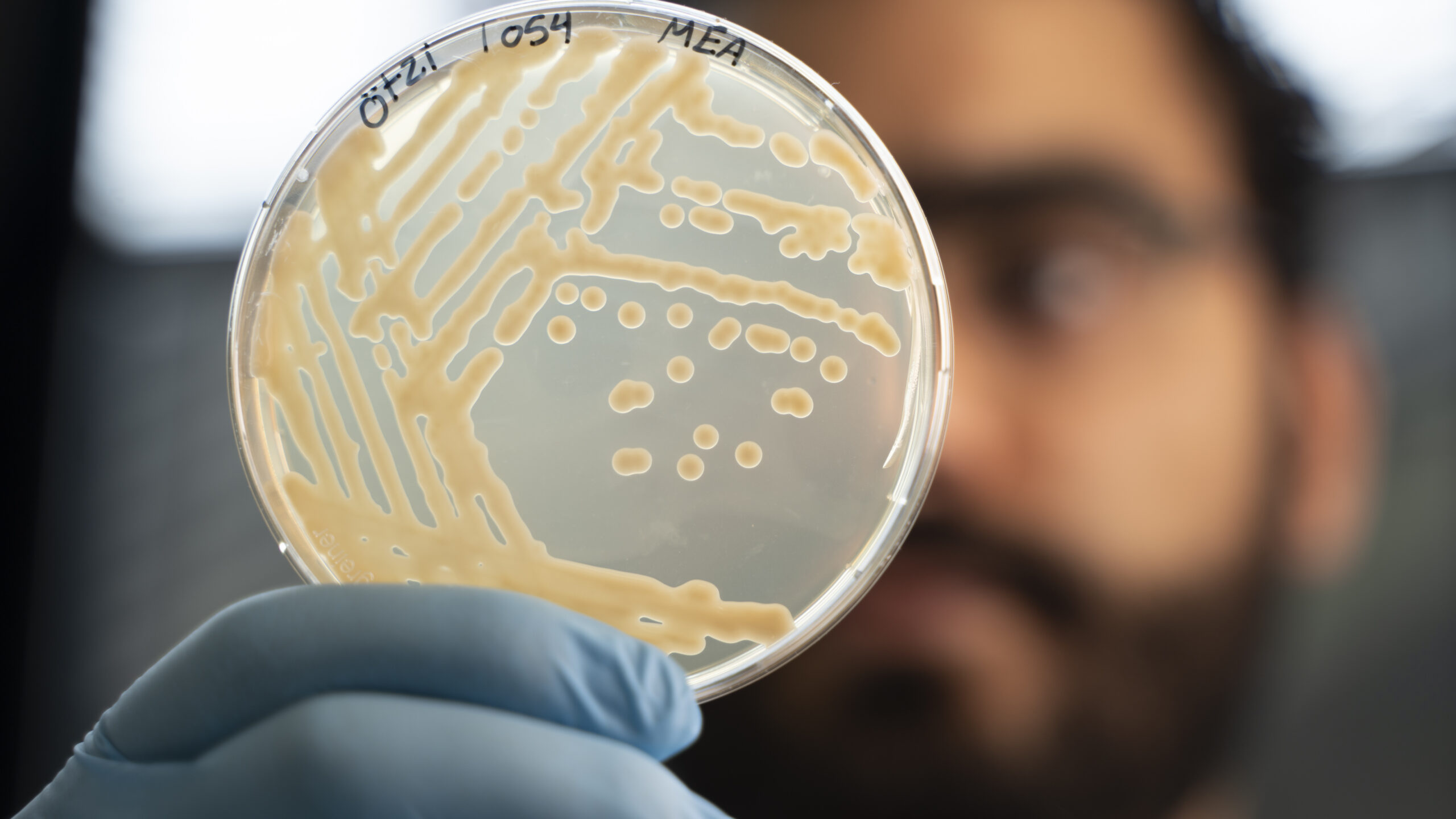
Scientists have successfully cultivated sourdough bread using yeast strains recovered from the mummified remains of Ötzi the Iceman, a 5,300-year-old Copper Age man discovered in the Tyrolean Alps. This research, published June 3 in the journal Microbiome, highlights that the famous mummy remains a dynamic biological system rather than a static historical relic.
The project, led by researchers at the Institute for Mummy Studies at Eurac Research in Bolzano, Italy, provides new insight into the microbial communities that have persisted alongside the remains for millennia. By defrosting the mummy under controlled laboratory conditions, the team identified active microorganisms—including cold-adapted yeast—that have survived since shortly after Ötzi’s death.
The Science Behind the Mummy’s Microbiome
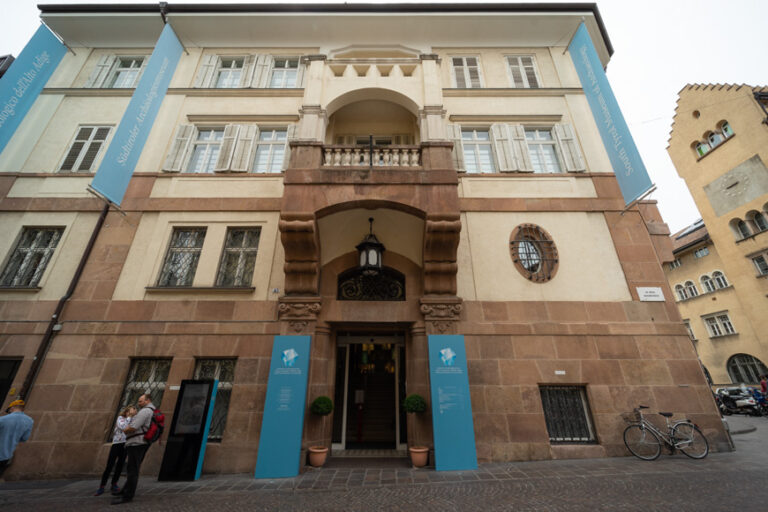
Ötzi the Iceman is housed at the South Tyrol Museum of Archaeology, where he is maintained in a specialized refrigerated chamber. To ensure the integrity of their research, scientists kept the remains at 39 degrees Fahrenheit for five hours in April 2019, allowing the ice layer covering the body to melt for sampling purposes. This process was conducted with the express permission of the museum’s leadership, according to the study published in Microbiome.
“We want to pursue this further and involve specialized research teams from the food sector in the process,” said Mohamed Sarhan, a microbiologist with the Institute for Mummy Studies at Eurac Research. The study aims to provide a comprehensive picture of the mummy’s microbiome, moving beyond previous examinations that were limited to the mouth and intestines. Frank Maixner, who directs the Institute for Mummy Studies, noted that the findings demonstrate that Ötzi remains a “dynamic biological system.”
Beyond Bread: Future Research Directions
The successful production of sourdough bread is only the first step in the team’s broader investigation into the applications of these ancient microbes. Researchers are now looking toward the beverage industry, specifically hoping to attempt beer production using the yeast strains recovered from the mummy’s body. The study also addressed the critical question of whether these microbes are potentially damaging the remains, as the museum continues to mimic the glacial conditions that preserved the Iceman for centuries.
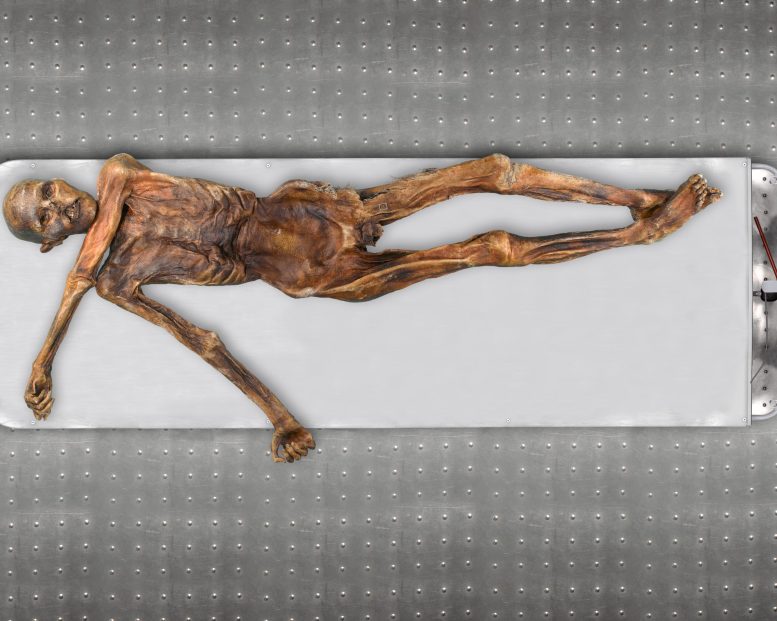
The remains, discovered by hikers in 1991, have been the subject of intensive scientific scrutiny for decades. Previous findings have revealed that the individual suffered from a variety of health conditions, including a cancer-causing strain of HPV, and exhibited numerous tattoos. The current research into the microbiome adds a new layer to our understanding of the biological environment surrounding one of history’s most significant archeological finds.
Maintaining the Iceman
The South Tyrol Museum of Archaeology preserves the mummy in a chamber kept at 21 degrees Fahrenheit and 99 percent relative humidity. These precise environmental controls are essential to prevent further degradation while allowing for ongoing, non-invasive scientific study. The researchers involved in the Microbiome study emphasize that their work is designed to balance the need for scientific discovery with the preservation of the remains.
As the scientific community continues to analyze the data collected from the 2019 defrosting event, future updates regarding the potential for brewing applications or further microbial identification will be managed through the Institute for Mummy Studies. Readers interested in the latest findings from the museum can monitor updates via the South Tyrol Museum of Archaeology’s official communications. We invite you to share your thoughts on this intersection of ancient history and modern microbiology in the comments section below.
Worth a look