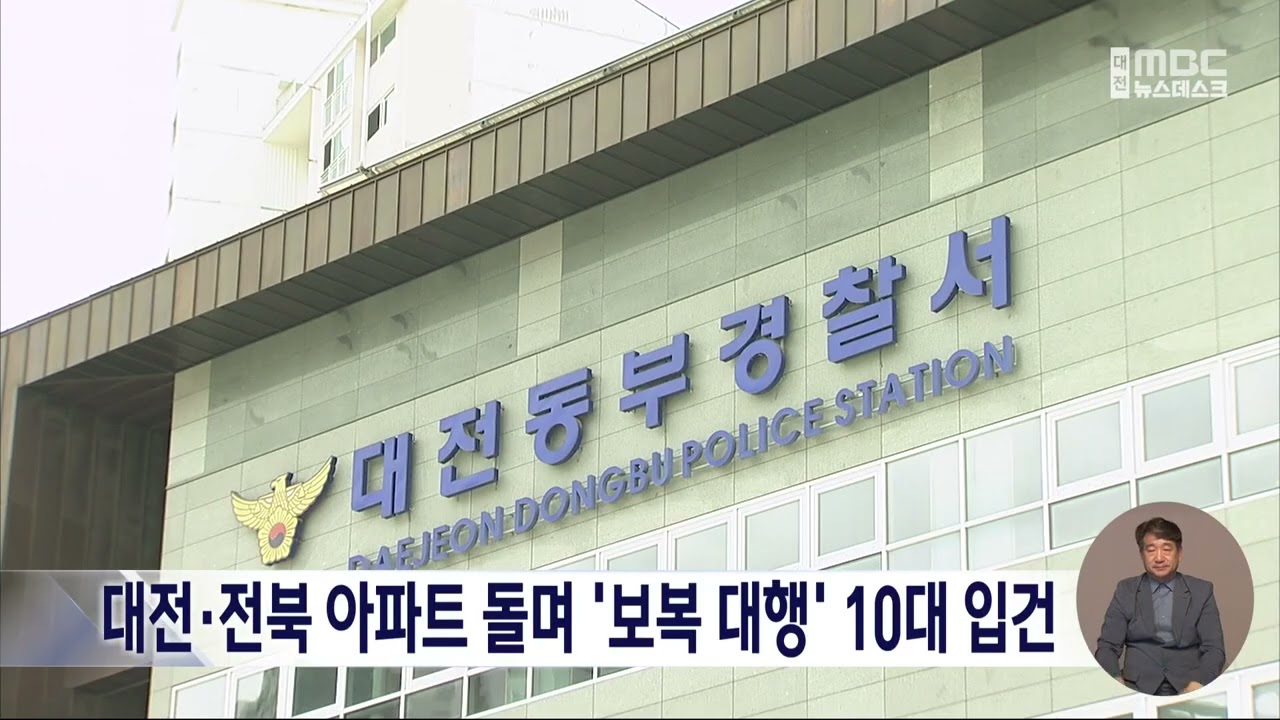
A teenager in Jeonbuk, South Korea, has been booked by police for allegedly providing “retaliation proxy” services at various apartment complexes. The suspect is accused of visiting specific residences to carry out targeted harassment tasks on behalf of paying clients, according to recent police reports regarding the case.
The investigation centers on the suspect’s involvement in a niche, illegal market where individuals are hired to settle personal scores through physical disturbances. While the specific nature of every task performed by the teenager is still under investigation, authorities confirmed the booking follows reports of unauthorized and disruptive activities within residential communities across the Jeonbuk region.
This incident highlights a growing trend in South Korea involving “proxy retaliation”—a practice where digital platforms or private arrangements are used to outsource harassment. These services often target neighbors involved in long-standing disputes, frequently stemming from the pervasive issue of inter-floor noise in high-density apartment living.
The Jeonbuk Investigation: Details of the Case
Local law enforcement officials in Jeonbuk confirmed the booking of the teenager after uncovering evidence of the suspect’s involvement in “retaliation proxy” activities. The suspect allegedly traveled between different apartment complexes to execute tasks intended to annoy, disturb, or intimidate specific residents.
Police are currently examining the extent of the suspect’s activities and whether they were part of a larger, organized group providing these services. Investigators are looking into how the tasks were commissioned and whether the suspect received monetary compensation for each instance of harassment. The investigation aims to determine if the teenager acted alone or if there is a broader network of individuals facilitating these illegal “retaliation” requests through social media or encrypted messaging apps.
Authorities have not yet released the specific identities of the victims or the exact number of apartment complexes targeted, but they have indicated that the investigation is ongoing to identify all parties involved in the solicitation of these services.
Understanding ‘Retaliation Proxy’ Services
The term “retaliation proxy” (보복 대행) refers to a specialized form of harassment where a third party is hired to settle a grievance. In the context of South Korean residential life, these services are often sought after by individuals who feel unable to resolve conflicts through official channels or direct communication.
Commonly reported activities in these proxy services include:
- Noise-based harassment: Making loud noises, such as banging on ceilings or walls, at specific times to retaliate against neighbors.
- Direct disturbances: Repeatedly knocking on doors, ringing doorbells, or making loud vocal disturbances outside a target’s residence.
- Psychological intimidation: Engaging in behaviors designed to make the resident feel watched or unsafe within their own home.
While some of these actions may seem minor in isolation, when performed systematically and for pay, they constitute a serious breach of peace and can escalate into criminal harassment or stalking. The transition of these services from private, word-of-mouth arrangements to more accessible digital platforms has made it easier for individuals to find “proxies” to carry out their grievances.
The Link to Inter-floor Noise Disputes
The rise of retaliation proxy services is closely tied to the chronic social issue of inter-floor noise (층간소음) in South Korea. As much of the population resides in high-rise apartment complexes, the acoustic privacy between units is often insufficient, leading to frequent and intense friction between neighbors.
When mediation through apartment management offices or local authorities fails, frustrated residents may turn to illegal alternatives. The psychological toll of persistent noise can lead to extreme stress, making the “retaliation proxy” market an attractive, albeit illegal, outlet for those seeking immediate, albeit destructive, retribution.
Sociologists and legal experts have noted that this phenomenon reflects a breakdown in community-based conflict resolution. Instead of addressing the root cause—such as building insulation standards or formal mediation processes—the conflict is instead weaponized through third-party actors, creating a cycle of escalating hostility.
Legal Implications for Juvenile Offenders
The involvement of a teenager in these activities brings specific legal complexities to the Jeonbuk case. Under the South Korean legal system, the age of the suspect significantly influences how the case is processed and the potential consequences they may face.
If the suspect is classified as a juvenile, the legal proceedings may focus on rehabilitation and protective measures rather than standard criminal punishment. However, the nature of “retaliation proxy” services—which can involve organized crime elements or systematic harassment—may lead to more stringent oversight. Prosecutors will evaluate the severity of the disturbances caused and the degree of premeditation involved in the suspect’s actions.
Law enforcement officials have warned that engaging in such activities, even as a minor, can lead to a permanent criminal record and significant legal repercussions. The investigation is expected to continue as police work to map out the full scope of the “retaliation” requests and identify the clients who commissioned the teenager’s services.
Further updates regarding the investigation and any potential charges will be released as the Jeonbuk police complete their findings.
Do you have thoughts on how digital platforms are changing local community safety? Share your views in the comments below and share this story with your network.
Worth a look