
The global pharmaceutical supply chain is facing a significant security challenge as reports of counterfeit medications continue to rise. Recent data indicates that thousands of incidents involving falsified or substandard medical products have been documented worldwide, highlighting a growing public health concern that demands heightened vigilance from regulators, healthcare providers, and patients alike.
As a physician, I have witnessed how the integrity of our medication supply is fundamental to patient safety. When patients receive treatments that do not meet rigorous pharmaceutical standards—or, worse, contain harmful ingredients—the consequences for clinical outcomes can be severe. Understanding the scale of this issue is the first step toward safeguarding global health systems.
Understanding the Scope of Falsified Medical Products
The distribution of counterfeit drugs is a complex, transnational issue that affects both developed and developing economies. According to the World Health Organization (WHO), substandard and falsified medical products are those that fail to meet quality standards or specifications, often masquerading as legitimate, life-saving treatments. These products are frequently manufactured in clandestine facilities that lack the sterile environments and quality control measures required for pharmaceutical production, as detailed in the WHO fact sheet on medical product safety.
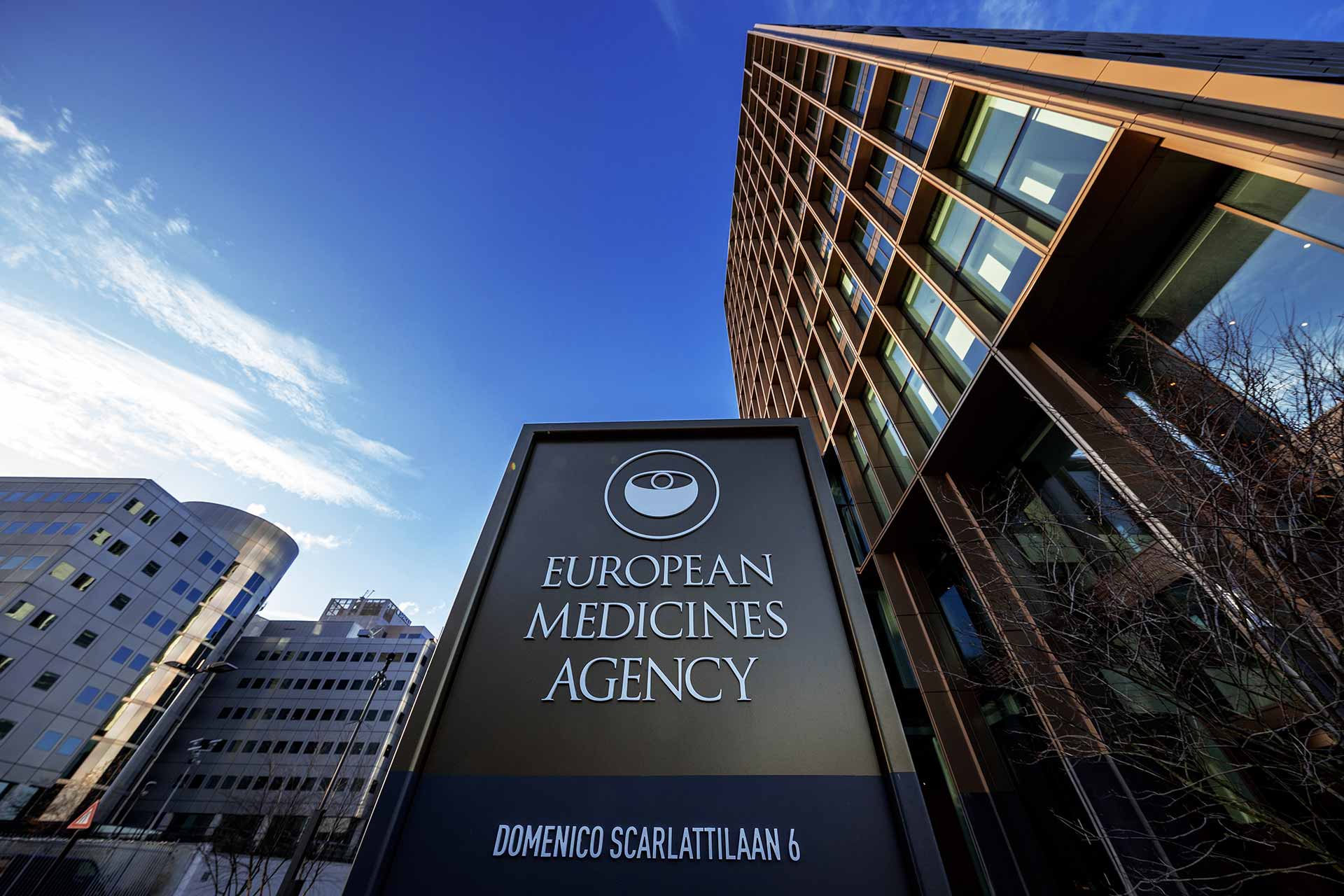
The impact of this illicit trade is not limited to a single region. Regulatory bodies, including the European Medicines Agency (EMA) and the U.S. Food and Drug Administration (FDA), work alongside the WHO to monitor and alert the public when falsified batches are detected in the legal supply chain. You can stay informed about specific product recalls and safety alerts through the FDA MedWatch program, which provides timely updates on compromised health products.
Why Counterfeit Medications Pose a Public Health Risk
The primary danger of counterfeit medication lies in its unpredictability. A falsified pill might contain no active ingredient at all, delaying necessary treatment for a serious condition, or it may contain toxic substances, incorrect dosages, or contaminated ingredients that cause adverse reactions. In my clinical practice, I emphasize to patients that the safety profile of a medication is guaranteed only when it is sourced from authorized pharmacies and licensed distributors.
Furthermore, the rise of e-commerce has expanded the reach of illicit vendors. The INTERPOL Operation Pangea, which targets the online sale of counterfeit and illicit medicines, regularly reports on the seizure of thousands of unlicensed products globally. These efforts underscore the importance of verifying the legitimacy of online pharmacies before purchasing any medication.
Protective Measures for Patients
To protect yourself and your family, it is essential to follow standard safety protocols when accessing healthcare. Always ensure that your prescriptions are filled at licensed, reputable pharmacies. If you are purchasing medication online, verify that the website requires a valid prescription and provides a physical address and contact information. The Alliance for Safe Online Pharmacies provides resources to help consumers identify verified internet pharmacy practice sites.
If you suspect that a medication you have received is counterfeit—perhaps because the packaging looks unusual, the tablet’s appearance differs from previous refills, or the price seems too good to be true—do not consume it. Instead, contact your healthcare provider or local pharmacist immediately. Reporting suspicious products to national regulatory authorities is a critical action that helps officials track and neutralize these threats.
As we move forward, the focus remains on strengthening international cooperation and implementing advanced track-and-trace technologies to secure the pharmaceutical supply chain. I encourage our readers to remain proactive; your awareness is often the first line of defense against substandard medical products. Please share your experiences or questions in the comments section below, and stay tuned to our health channel for further updates on international medical safety standards as they are released by health ministries and global monitoring organizations.
Worth a look