
In a medical development that has garnered significant public attention, a seven-year-old child has reportedly recovered from stage 5 chronic kidney disease without the need for long-term dialysis. This case, which emerged in early 2026, highlights the complex nature of pediatric renal failure and the importance of clinical observation in managing severe kidney conditions in young patients. As a physician, I have observed that while stage 5 chronic kidney disease—often referred to as end-stage renal disease—typically necessitates renal replacement therapy, pediatric cases occasionally present unique physiological responses that merit careful clinical evaluation.
Understanding Pediatric Kidney Function
Chronic kidney disease (CKD) in children is categorized into five stages, with stage 5 representing the most advanced level of impairment where the kidneys can no longer function at a level required to maintain life. According to the National Institute of Diabetes and Digestive and Kidney Diseases (NIDDK), pediatric CKD management focuses on slowing disease progression, managing fluid balance, and addressing the underlying cause of the damage. When a child reaches the final stage, standard medical protocols prioritize either dialysis or transplantation to filter waste products from the blood.
The recent reports of a child avoiding dialysis at this stage underscore the critical role of early symptom recognition. Clinical indicators in pediatric patients often manifest as fatigue, changes in urine output, or unexplained swelling. Parents and caregivers are encouraged to consult pediatric nephrologists if persistent symptoms arise, as early intervention remains the cornerstone of pediatric renal care, as outlined by the National Kidney Foundation.
Clinical Perspectives on Recovery
While the recovery of a child from such an advanced stage of renal impairment is noteworthy, it is essential to distinguish between chronic, irreversible damage and acute-on-chronic presentations. In many instances, a child may present with symptoms that mimic end-stage disease due to acute factors such as severe dehydration, infection, or temporary obstruction. Once these acute stressors are removed, kidney function can stabilize or improve significantly.
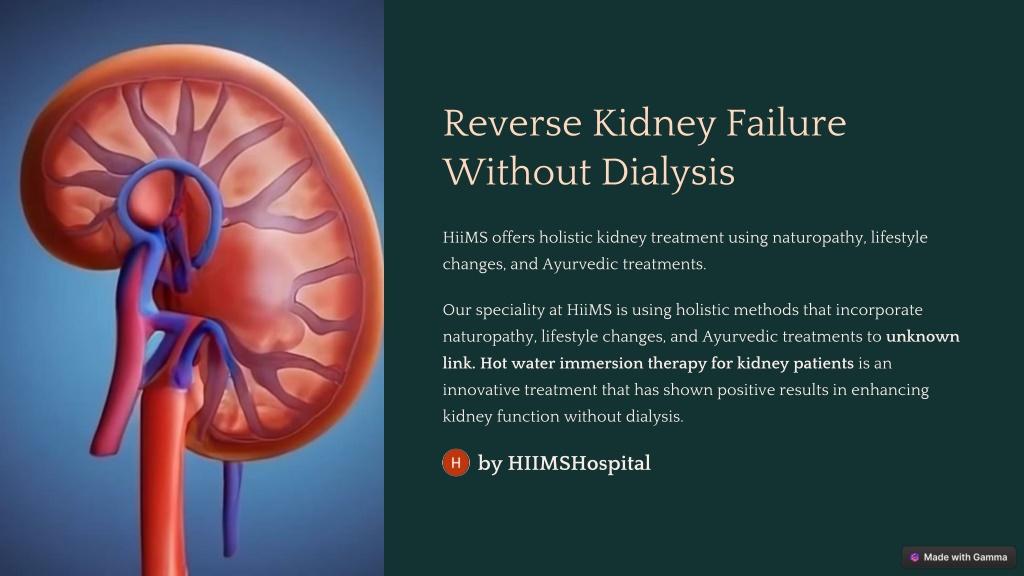
The World Health Organization (WHO) emphasizes that pediatric kidney health is frequently linked to broader systemic health, including blood pressure regulation and the management of congenital anomalies. Decisions regarding treatment—including the necessity of dialysis—are always made based on individual clinical markers, such as glomerular filtration rate (GFR) and electrolyte levels, rather than a single diagnostic label.
Moving Forward: The Importance of Monitoring
For families facing a diagnosis of kidney disease, the path forward involves consistent follow-up with a multidisciplinary medical team. This team typically includes pediatric nephrologists, specialized nurses, and dietitians who monitor renal function through regular blood and urine tests. According to guidelines from the European Renal Association, long-term monitoring is vital to ensure that even if a child shows signs of stabilization, their kidney function is supported throughout their growth and development.

If you or a loved one are navigating a similar diagnosis, please rely on official guidance from established medical institutions. It is important to avoid relying on anecdotal accounts for medical decisions. Always consult your primary pediatric specialist to discuss the specific clinical context of your child’s health. We invite you to share your thoughts or questions in the comments section below, as we continue to track developments in pediatric health policy and medical innovation.
Worth a look