
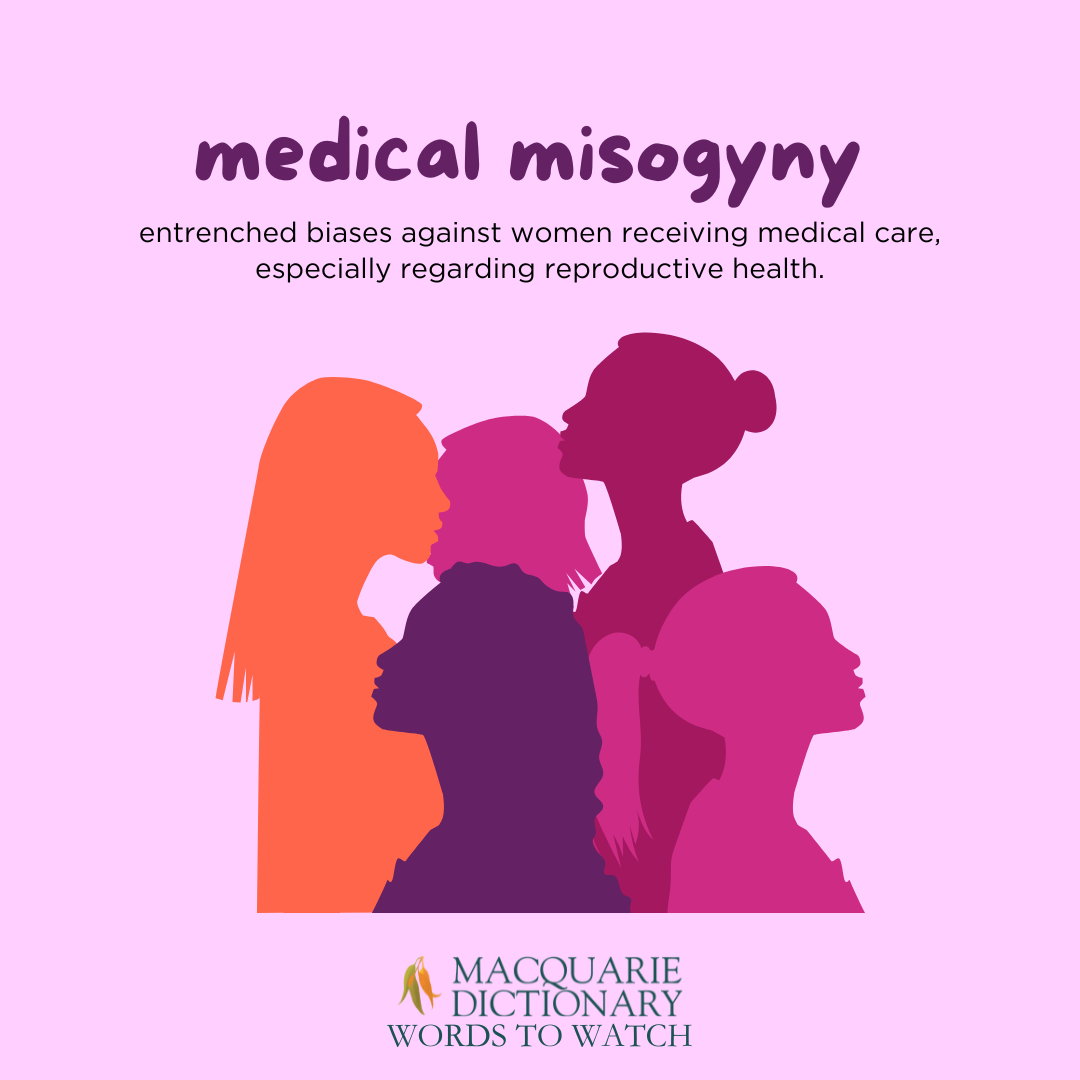
Modern healthcare systems are increasingly under scrutiny for persistent biases that undermine the quality of care for women, a phenomenon often described as medical misogyny. At the heart of this issue is a critical failure to recognize patients as credible narrators of their own physical and emotional experiences. When systemic frameworks prioritize clinical convenience over patient-centered testimony, the resulting epistemic injustice can lead to delayed diagnoses, inadequate treatment, and a profound erosion of trust in the medical profession.
As a physician, I have witnessed how the dismissal of patient reports—particularly regarding chronic pain, reproductive health, and endocrine function—can create barriers to effective care. Addressing these disparities requires a fundamental shift in how medical institutions process patient knowledge. It is no longer acceptable to treat women’s reports of their own symptoms as unreliable, especially when those reports are essential to identifying systemic conditions.
Understanding Epistemic Injustice in Clinical Practice
Epistemic injustice occurs when a person is unfairly discredited as a knower, a dynamic that remains a significant concern in contemporary women’s healthcare. According to recent legal and medical scholarship, this form of injustice is not merely a social issue but a structural flaw that impacts patient safety. Research published in the Medical Law Review highlights that the historical and ongoing marginalization of women’s voices in clinical settings directly contributes to unequal outcomes. You can review the full analysis on the National Institutes of Health PubMed Central database.
The consequences of this bias are tangible. When a patient’s account of her symptoms is minimized or attributed solely to psychological factors, the opportunity for early intervention is often lost. This is particularly prevalent in fields such as gynecology, where the intersection of medical authority and patient experience has historically been fraught with power imbalances. To achieve safer healthcare, medical professionals must integrate patient testimony as a primary data point rather than a subjective secondary narrative.
The Impact of Dismissive Care on Chronic Conditions
The clinical management of complex conditions, including endocrine and reproductive disorders, often relies heavily on the patient’s ability to articulate subtle changes in their health. When these reports are overlooked, the standard of care suffers. Many patients report significant frustration when their experiences are reduced to simplified diagnostic categories, such as focusing solely on ovarian cysts while ignoring broader systemic metabolic concerns. This narrow focus can delay the identification of underlying systemic endocrine conditions, leaving patients to navigate the healthcare system without the support or accurate diagnosis they require.
For patients, the impact is not just physical but institutional. When care is not patient-centered, individuals may face recurring obstacles in accessing necessary hormonal and reproductive treatments. This disconnect between patient-reported symptoms and institutional diagnostic protocols remains a pressing challenge in many global health systems. Improving these outcomes requires a commitment to active listening, where the patient is treated as an expert on her own body and a key partner in the diagnostic process.
Moving Toward Patient-Centered Healthcare
Achieving a more equitable healthcare environment involves more than just policy changes; it requires a culture shift within medical education and daily practice. Hospitals and healthcare systems that prioritize high standards of patient safety and nursing excellence are better positioned to foster environments where patient concerns are taken seriously. For instance, facilities that emphasize patient-centered services—such as those offering specialized maternity and reproductive care—demonstrate the importance of aligning institutional resources with the specific needs expressed by their patient populations. Details on current maternal care standards and facility tours can be found via official hospital resources.
While the path to reforming these deep-seated issues is complex, the first step is acknowledging the validity of the patient’s voice. By moving away from historical models that prioritize paternalistic authority and toward models that honor the patient’s testimony, we can begin to dismantle the barriers that have long prevented women from receiving the high-quality, equitable care they deserve. Whether through improved diagnostic criteria or more inclusive clinical communication, the goal is clear: the patient’s experience must be central to the medical encounter.
As we continue to monitor developments in medical policy and patient rights, I encourage our readers to share their perspectives on how healthcare systems can better prioritize patient-centered care. Engaging in this dialogue is vital to ensuring that medical practice evolves to meet the needs of every individual, regardless of gender or historical bias. Please feel free to share your thoughts in the comments section below.
Worth a look