
Kim Stanley Robinson, widely regarded as one of the most influential voices in contemporary science fiction, has long utilized his writing to bridge the gap between speculative futures and the urgent realities of our changing planet. Known for his meticulous research and commitment to climate realism, Robinson’s work often explores how political, economic, and environmental systems intersect. His approach to storytelling is deeply informed by his interest in how literature, historical figures, and geography shape our collective understanding of the future.
At the center of his creative process is a unique synthesis of disparate influences. Robinson has frequently highlighted the importance of grounding futuristic narratives in the tangible world. By examining the structural challenges of our current era—ranging from political volatility to the rapid recession of glaciers—he constructs worlds that feel not only plausible but necessary. His work often serves as a lens through which readers can evaluate the sustainability of modern civilization, grounding complex scientific concepts in human experience.
The Role of Geography and History in Speculative Fiction
Robinson’s dedication to environmental themes is perhaps best exemplified by his long-standing interest in the physical landscape. His detailed descriptions of glacial retreat in Alaska and other vulnerable regions are not merely atmospheric; they are central to his argument regarding the Anthropocene. According to his public discussions on the craft of writing, observing the physical decay of the environment provides a stark, undeniable baseline for his narratives. This focus on “geological time” allows him to contrast the immediacy of human political cycles with the long-term consequences of climate change.

Beyond geography, Robinson draws heavily from literary tradition. His appreciation for Marcel Proust is a recurring theme in his interviews, where he often cites the French author’s ability to capture the nuance of memory and the passage of time as essential tools for any novelist. By layering the psychological depth found in classic literature with the empirical data of climate science, Robinson creates a distinct sub-genre of fiction that challenges readers to think beyond the immediate horizon. His work is archived and discussed within academic and literary circles, often analyzed for its synthesis of hard science and humanistic inquiry.
Navigating Political and Economic Systems
The political dimension of Robinson’s work often addresses the tension between current economic structures and the need for global climate action. In his novels, he frequently explores the viability of various political models, testing them against the pressures of environmental catastrophe. While he avoids prescribing simple solutions, his narratives consistently emphasize the necessity of collective, systemic change. His characters often grapple with the limitations of existing institutions, reflecting a broader inquiry into how human governance can adapt to planetary-scale challenges.

This commitment to systemic analysis has made his work a touchstone for those interested in the intersection of technology, economics, and sustainability. By framing his stories around the logistical and political hurdles of global cooperation, he provides a framework for discussing real-world policy shifts. His career, spanning decades of publication, continues to influence both the literary community and those working in environmental advocacy, as his stories remain grounded in the belief that the future is not a fixed destination but a result of current choices.
The Future of Climate Narratives
Looking ahead, Robinson’s influence continues to shape the conversation around “cli-fi,” or climate fiction. As global discussions regarding carbon reduction and international climate agreements evolve, his work serves as a reference point for the potential impacts of these policies. His ongoing engagement with the scientific community ensures that his portrayals of climate mitigation strategies remain aligned with current research and technological possibilities. Readers and researchers alike continue to look to his bibliography for insights into how literature can influence public perception of environmental crises.
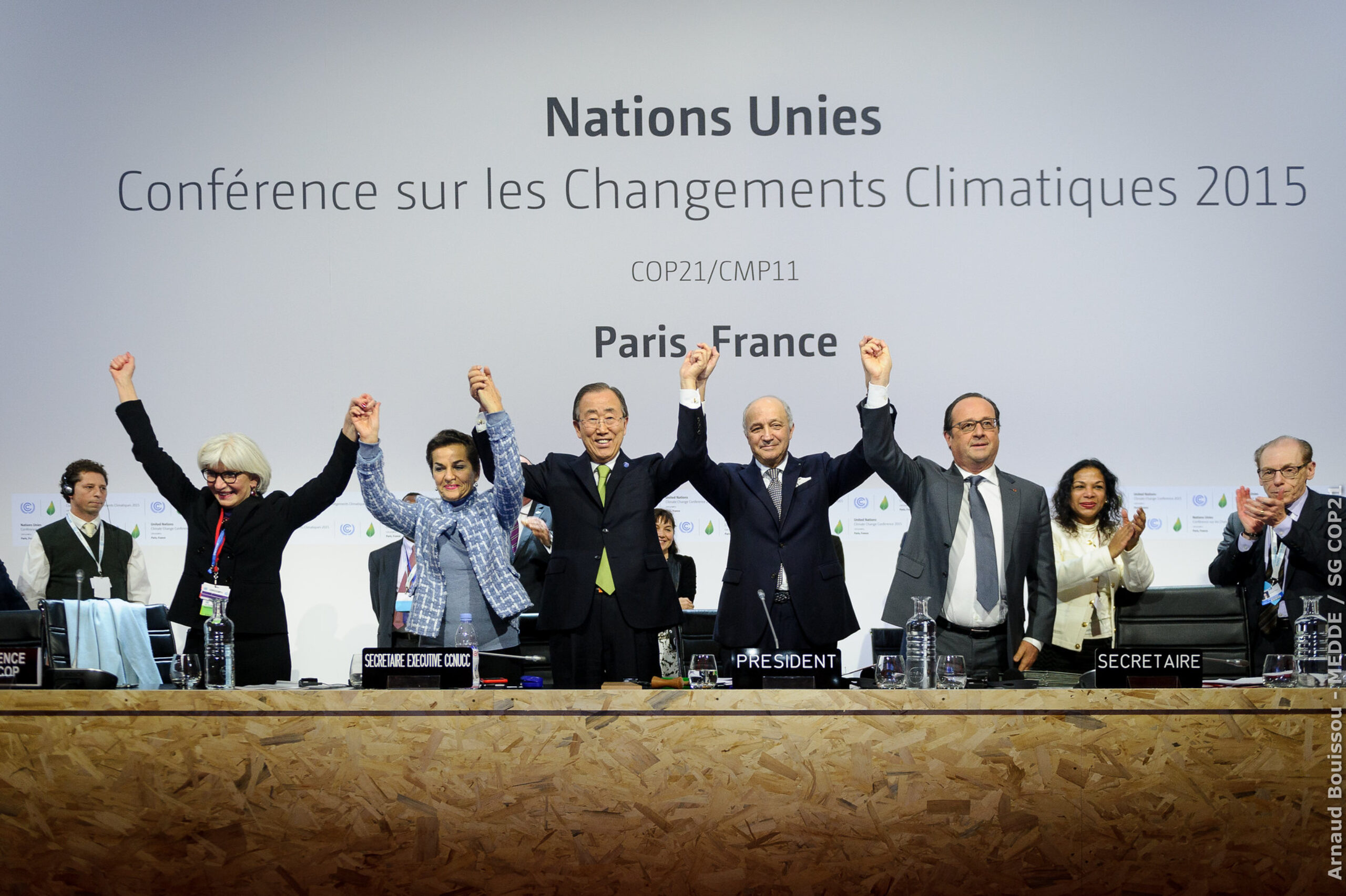
The next major checkpoint for climate policy, which remains a central theme in Robinson’s work, involves the ongoing implementation of the Paris Agreement. Nations continue to submit updated Nationally Determined Contributions (NDCs) to the United Nations Framework Convention on Climate Change (UNFCCC), a process that tracks global progress toward limiting temperature rise to 1.5 degrees Celsius, as documented by the United Nations Climate Change Secretariat. These official updates provide the real-world data that underscores the urgency and complexity of the themes Robinson navigates in his fiction.
As the conversation around planetary sustainability matures, the intersection of art and science will likely become even more critical. Robinson’s ability to synthesize these fields continues to provide a valuable perspective on the path forward. Please feel free to share your thoughts on the role of speculative fiction in shaping our environmental consciousness in the comments below.
Keep reading