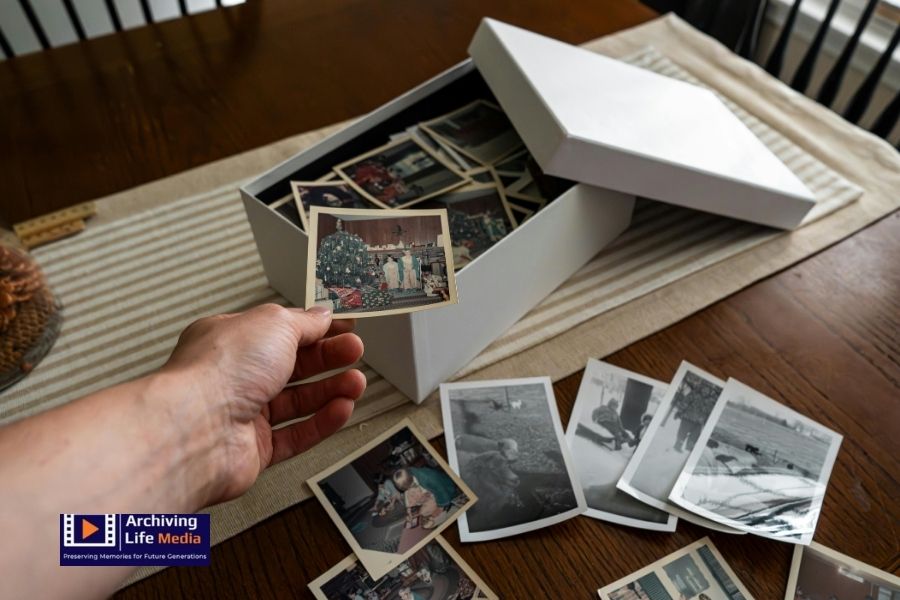
Preserving family history through 80s throwback photography has become a popular endeavor as individuals rediscover analog archives in their attics. Transitioning these physical memories—such as postcards, prints, and slides—into digital formats requires a strategic approach to ensure long-term archival quality and accessibility for future generations.
For those looking to digitize collections, the process often involves choosing between professional services and home-based solutions. Experts emphasize that the quality of the final digital file depends heavily on the initial capture method, whether through high-resolution scanning or specialized photography techniques.
Understanding the Digitization Process
Digitization is more than simply taking a photograph of an old image. It involves converting analog light information into a digital raster format. For enthusiasts managing large volumes of family media, the goal is to maintain the integrity of the original colors and details, which can degrade over time due to environmental factors like heat and humidity.
When preparing a collection for scanning, it is essential to clean surfaces gently to remove dust and debris that can appear as artifacts in the final digital file. Professionals often use specialized hardware, such as flatbed scanners with transparency units for slides or high-end cameras mounted on copy stands to ensure sharpness across the entire frame.
Choosing the Right Format for Your Archive
Selecting the correct file format is a critical step in the archival process. While formats like JPEG are common, they use lossy compression, which can reduce image quality over time if the file is repeatedly saved. For long-term preservation, professionals often recommend uncompressed or lossless formats like TIFF or PNG, which retain all original data captured during the scanning process.
Additionally, consistent file naming and metadata tagging—such as including the date, location, and names of individuals depicted—are vital for organizing large collections. This metadata ensures that the historical context of the 80s throwback images remains attached to the digital files, making them searchable and easier to share with family members.
Professional Services vs. DIY Approaches
The market for digitizing services is diverse, offering options ranging from flat-rate professional scanning to DIY equipment rentals. When evaluating professional services, factors such as turnaround time and the specific technology used for conversion are primary considerations. Some services utilize industrial-grade scanners that handle thousands of items, while others focus on hand-digitization processes designed to perfect pathing and density for specialized applications like embroidery or high-fidelity textile reproduction.
For those performing the work at home, the investment in a dedicated photo scanner is often justified by the level of control it provides over color correction and resolution settings. Regardless of the method chosen, testing the workflow with a small batch of images is recommended to ensure the output meets the desired standard before committing to an entire collection.
Preserving the Context of Your Media
Beyond the technical aspects of scanning, the narrative value of a collection is found in its context. Many families find that the process of sorting through attic items is an opportunity to document oral histories associated with the photographs. Recording these stories alongside the digital files creates a comprehensive archive that captures both the visual memory and the human experience of the era.
As technology continues to evolve, the ability to convert these archives into cloud-based storage solutions further ensures that these memories are protected against physical loss. By taking the time to properly digitize these materials now, families can safeguard their heritage for decades to come.
The next major industry update regarding archival standards for consumer-grade digitization is expected in late 2026, as organizations continue to refine best practices for long-term digital sustainability. If you have questions about your own digitization projects or would like to share your experiences with attic archives, please feel free to leave a comment below or join our community discussion.