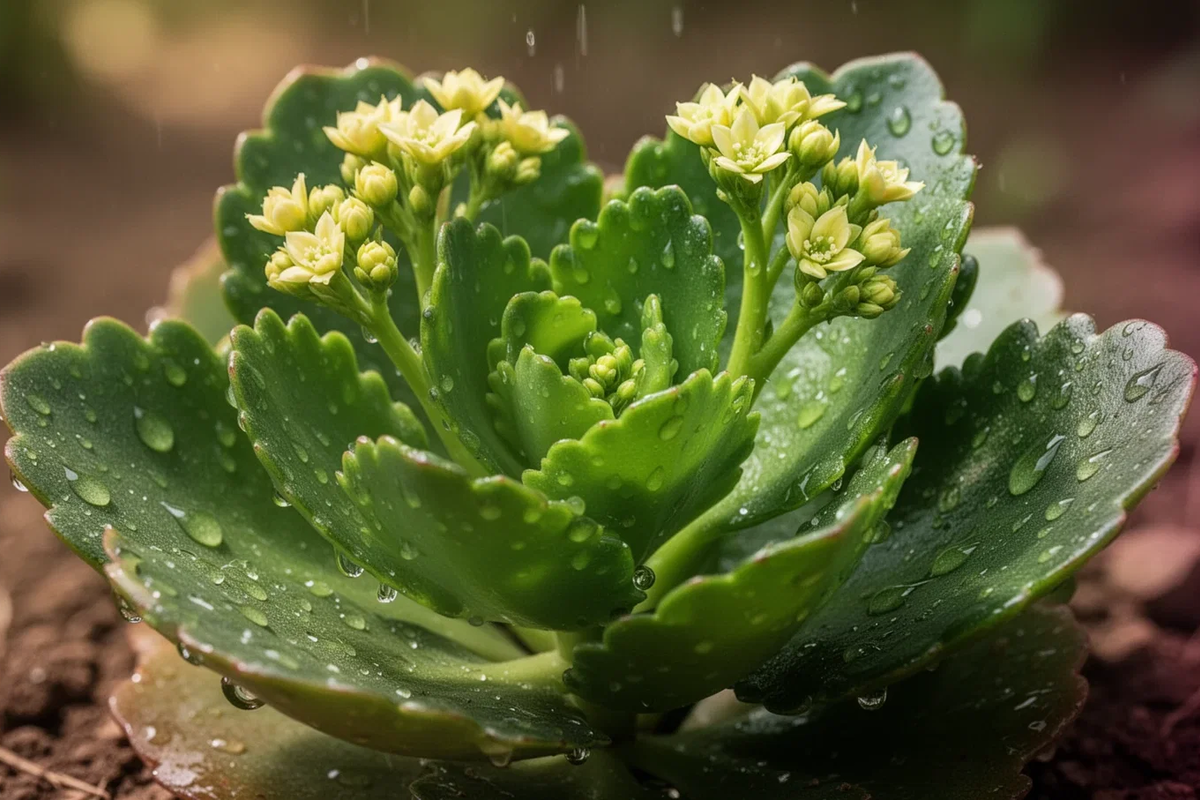
Plants within the Kalanchoe genus, often utilized in traditional medicine, are currently the subject of rigorous scientific investigation for their potential role in pharmaceutical development. Researchers are examining these plants for their bioactive compounds, which demonstrate properties that may be relevant to treating inflammatory conditions, wounds, and gastric ulcers, according to findings published in the journal Life (2023 Feb 26;13(3):646). As a physician, I view this exploration of natural products as a critical step in identifying new therapeutic pathways for complex health challenges.
The Scientific Basis for Investigating Kalanchoe
The interest in Kalanchoe stems from its long-standing history in ethnomedicine. However, modern scientific inquiry is now focused on isolating specific molecules to understand their mechanisms of action. Research published in 2023 highlights that these plants contain a variety of bioactive compounds that could serve as scaffolds for new drugs. When we look at the potential for addressing chronic conditions, the focus often shifts to how these compounds interact with human biological systems at a molecular level.
According to the study published in Life, authors Luana Beatriz dos Santos Nascimento, Livia Marques Casanova, and Sônia Soares Costa have emphasized the need for further evaluation of these plants to validate their traditional uses through standardized clinical data. The study, which received academic oversight from Dr. Stefania Lamponi and was finalized in February 2023, underscores that identifying the specific chemical profiles of different Kalanchoe species is the first step toward potential clinical integration.
Antioxidant Properties and Immune System Modulation
One of the most compelling areas of research involves the antioxidant activity observed in certain flavonoids found within the Kalanchoe genus. Antioxidants play a vital role in neutralizing free radicals, which are unstable molecules that can cause cellular damage and contribute to the progression of various diseases. In experimental settings, specific flavonoids from these plants have demonstrated the ability to inhibit T-cell proliferation, a process that is critical in the regulation of the immune response.
This modulation of the immune system is a sophisticated area of study. By influencing T-cell activity, these compounds may offer insights into how we might better manage conditions characterized by immune dysregulation. It is important to distinguish between the presence of these compounds in a laboratory extract and their efficacy in a human clinical setting, as the journey from a plant-based compound to a regulated, safe, and effective medicine requires multiple phases of rigorous testing.
Moving from Traditional Use to Clinical Evidence
While the traditional application of Kalanchoe has persisted for generations, the medical community requires objective evidence to support its use in modern healthcare. The current research landscape is focused on bridging the gap between ethnomedicine and evidence-based medicine. This involves identifying the concentration of active ingredients and ensuring that any potential therapeutic benefits are not outweighed by toxicity or adverse interactions.
For patients and health enthusiasts, it is vital to remain cautious. The existence of a potential bioactive compound in a plant does not equate to a recommendation for self-treatment. As with any medical intervention, safety profiles must be established through controlled trials. My perspective as an Editor in Health is that while these natural compounds show promise, the most reliable path forward is through the peer-reviewed research process that is currently underway at institutions like the Universidade Federal do Rio de Janeiro.
What Happens Next in the Research
The next phase for researchers involves conducting more detailed pharmacological screenings to isolate which specific Kalanchoe species possess the highest concentration of beneficial flavonoids. As of June 2026, the scientific community continues to prioritize the characterization of these compounds to determine if they can be safely synthesized or extracted for pharmaceutical use. Future updates will depend on the publication of subsequent clinical data and safety reports regarding these compounds.
If you are interested in following the progress of this research, I recommend keeping an eye on updates from reputable medical databases and peer-reviewed journals. Medical innovation is often a slow, methodical process, but it is the only way to ensure that the treatments we rely on are both safe and effective. I invite our readers to share their thoughts and stay informed as we continue to track developments in medical science.
Related reading