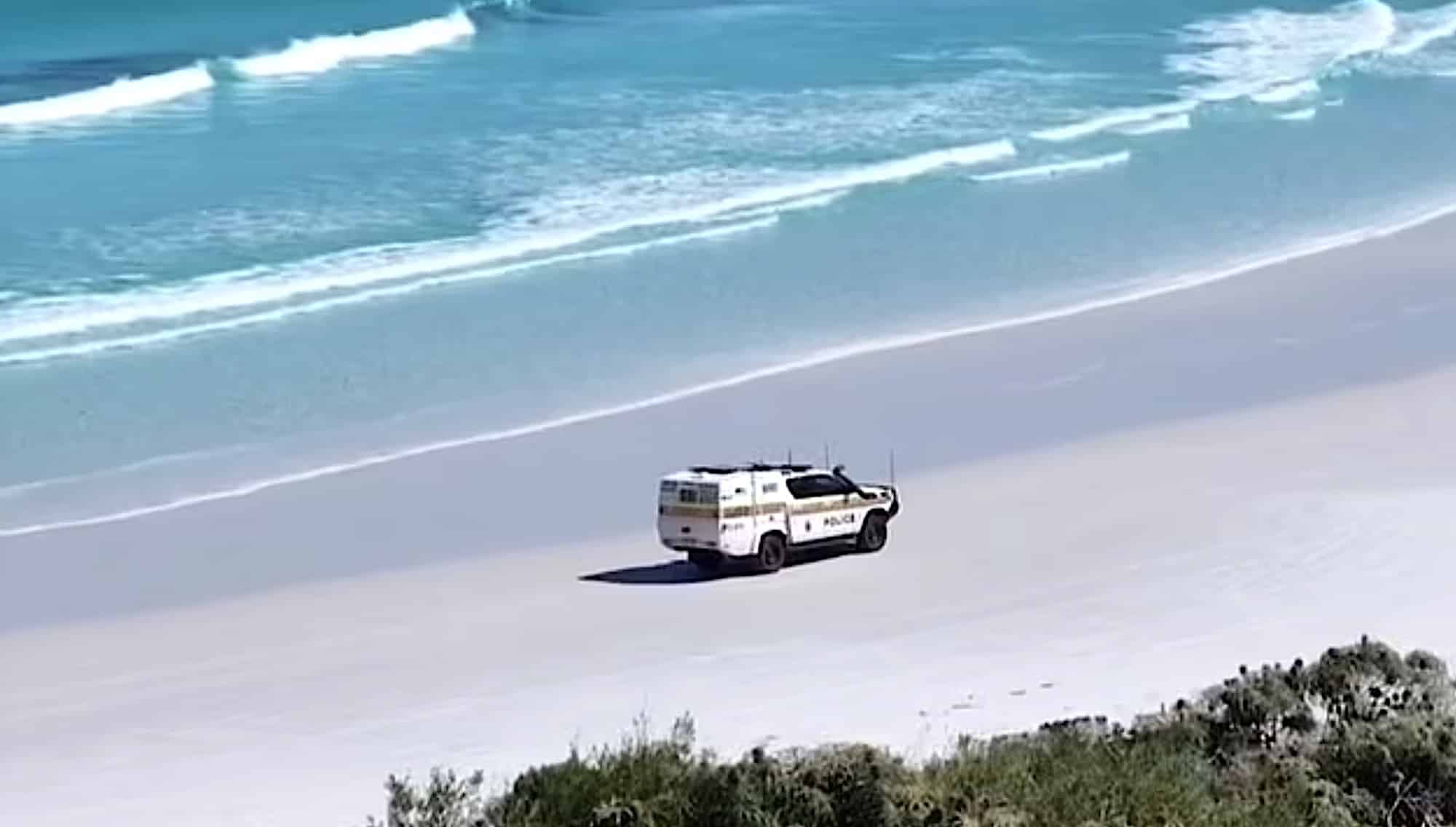
A fatal shark attack in Albany, Western Australia, has left a local community in mourning after a suspected 4.5-metre great white shark mauled a spearfisher while he was in the water. The incident, which occurred in the waters off the coast of this tight-knit regional city, serves as a stark reminder of the inherent risks associated with ocean activities in areas known for apex predator activity. Local authorities and emergency services responded to the scene, marking a somber moment for the coastal region.
The incident has been widely reported by Australian news organizations, including 9 News Australia. According to official reports from the Western Australia Department of Primary Industries and Regional Development, sightings of large white sharks are not uncommon in these southern waters, and the region maintains a rigorous shark monitoring and public advisory system to mitigate risk to water users.
Understanding Shark Activity in Western Australia
Western Australia’s coastline is a recognized habitat for the white shark (Carcharodon carcharias). The state government operates a comprehensive Shark Monitoring Network, which utilizes acoustic receivers to detect tagged sharks swimming near popular beaches and surf breaks. According to the Western Australia Government’s SharkSmart portal, these monitors provide real-time data that is relayed directly to the public through the SharkSmart website and the Surf Life Saving WA Twitter feed.
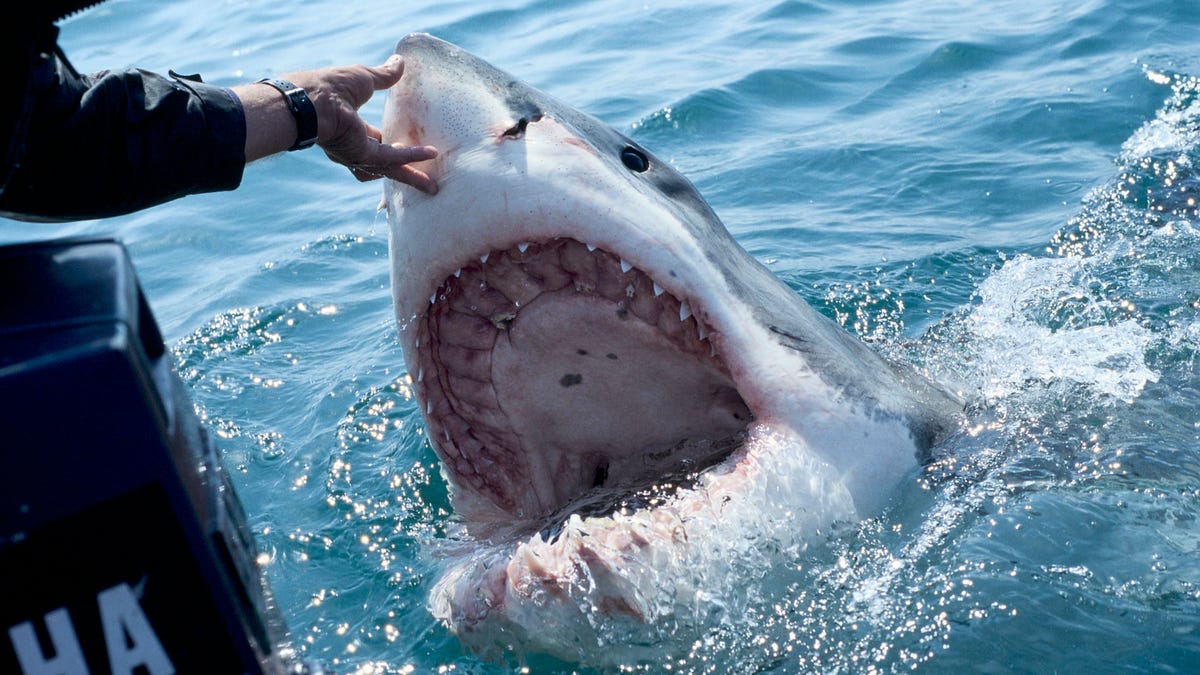
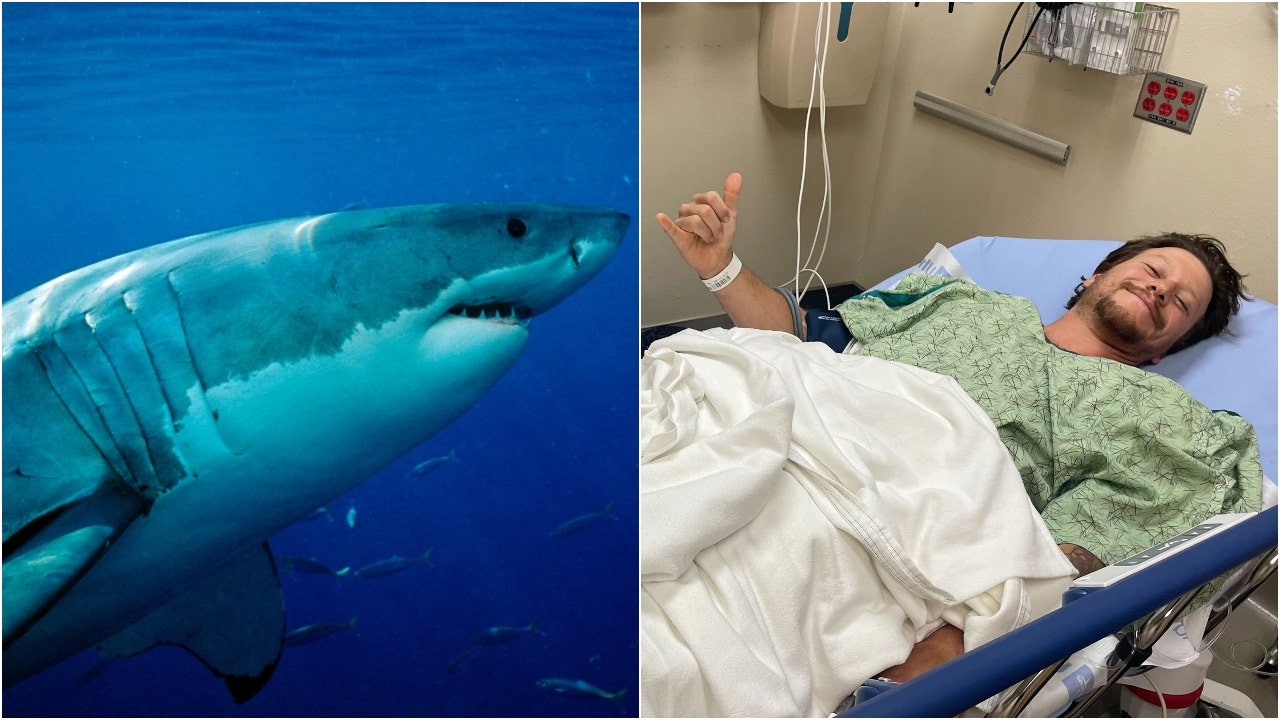
For those living in or visiting coastal areas, the presence of a large marine predator necessitates caution. Experts often emphasize that while encounters are statistically rare, the size and behavior of a 4.5-metre great white shark present a significant danger to swimmers, surfers, and spearfishers. The state government advises individuals to avoid swimming at dawn or dusk, to stay away from schools of baitfish, and to heed all beach closure signage posted by local councils and lifeguards.
Safety Protocols and Public Awareness
Following such tragic events, local authorities typically conduct a review of safety protocols in the immediate vicinity. The Department of Primary Industries and Regional Development (DPIRD) is responsible for managing fisheries and shark hazard mitigation. If a shark is sighted or an attack occurs, officials may deploy patrols or issue public warnings to discourage water entry in the affected area for a set period.
The community of Albany, like many towns along the southern coast, relies heavily on the ocean for recreation and industry. Residents are encouraged to stay informed by checking the official shark activity alert map regularly. This system is designed to provide immediate updates on confirmed sightings and beach closures, ensuring that water users have the most current information available before entering the ocean.
What Happens Next
As the investigation into the circumstances of the encounter continues, local authorities and wildlife experts will likely assess whether the shark remains in the vicinity. Standard procedure often involves monitoring the area for further activity and working with local authorities to ensure public safety. For family members and the broader Albany community, the focus remains on the grieving process following such a sudden loss.
We invite our readers to share their thoughts and experiences regarding coastal safety in the comments section below. For those seeking the latest, verified updates on shark activity or beach safety in Western Australia, please continue to monitor the official SharkSmart website for real-time notifications and safety guidance.
Worth a look
- もはやプーチンに「停戦」の選択肢はない…燃料不足、兵員不足、支持率低下でも止まれない「地獄のデスロード」 – Yahoo!ニュース
- Aufstellung | Detroit City FC – Las Vegas Lights FC : | 17. Spieltag | USL Championship 2026 – kicker
- Australian Diamonds Beat Tonga Amid Ongoing Netball Australia Pay Dispute (archynewsy.com)
- Berlin Pride Attack: Manhunt After Van Hits Crowd, Leaving One Dead (time.news)