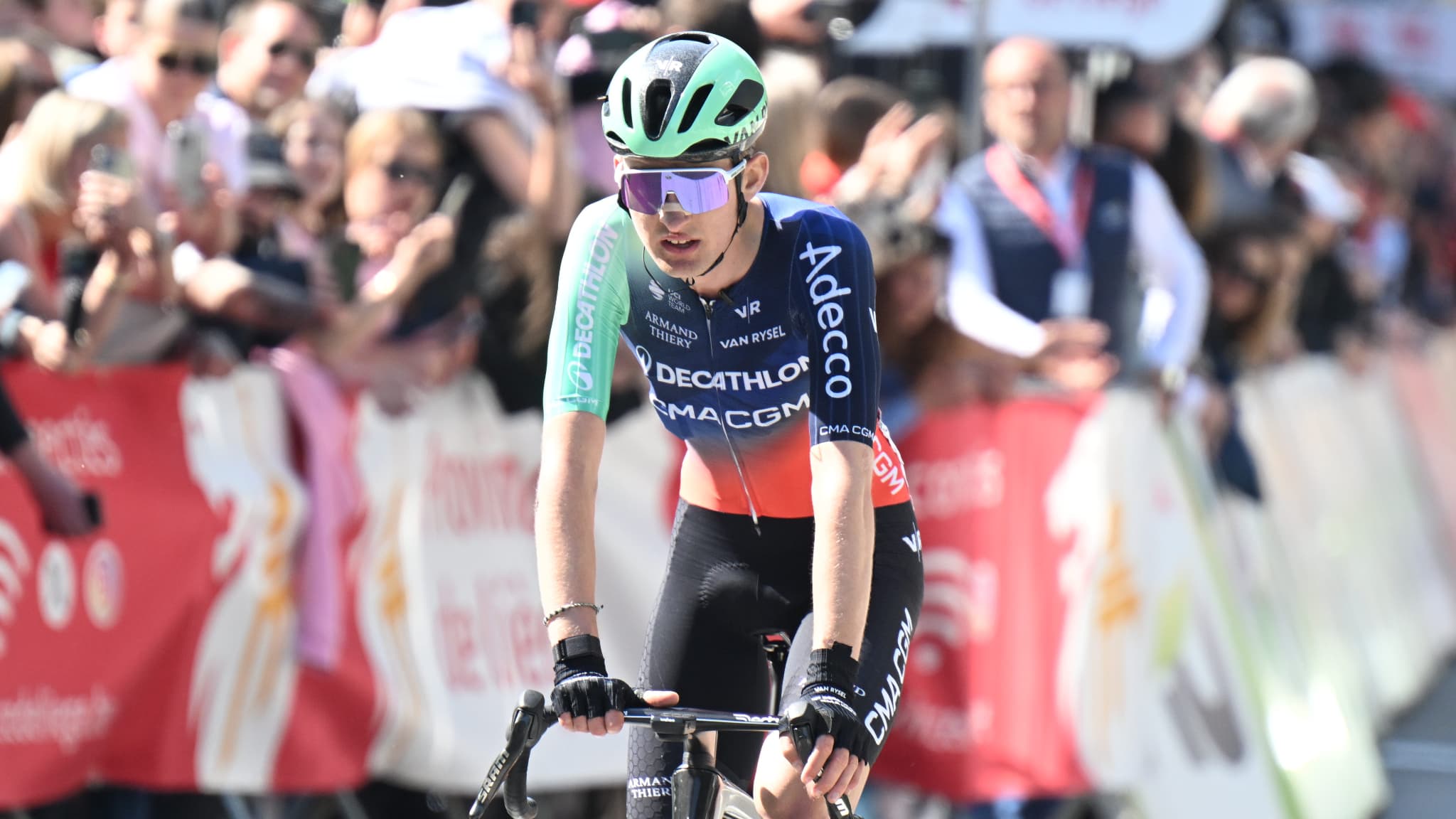
The 2026 edition of the Tour Auvergne-Rhône-Alpes, commonly referred to as the Critérium du Dauphiné, begins today with a challenging opening stage that promises to test the field immediately. Riders face a demanding route featuring 3,200 meters of vertical gain, including a first-category climb that will likely dictate the initial composition of the general classification.
For young French talent Paul Seixas, the race offers a significant opportunity to showcase his climbing abilities on a demanding stage. However, the absence of marquee names like Tadej Pogačar and Jonas Vingegaard has altered the dynamic of this year’s competition, a shift that has drawn public comment from participants regarding the level of the field.
A Test of Climbing Endurance
The opening stage’s profile is defined by its significant elevation profile, totaling 3,200 meters of climbing. Organizers have set a demanding pace from the outset, incorporating a first-category climb designed to force early separation in the peloton. Guillaume Martin, a seasoned climber, noted that the stage is tailored for the leaders and anticipated that the terrain would create substantial time gaps among the top contenders by the finish.

This year’s race is notable for a specific regulatory change: the removal of time bonuses. According to race documentation, there will be no bonification seconds awarded on any stage of the 2026 edition, placing a premium on raw finishing times rather than tactical sprint finishes for bonus seconds. This change forces riders to focus exclusively on their physical performance on the climbs rather than relying on tactical maneuvers at the finish line.
The Absence of Global Favorites
The start list for the 2026 Tour Auvergne-Rhône-Alpes has been a subject of discussion, particularly regarding the missing presence of top-tier Grand Tour winners. Paul Seixas has expressed regret over the absence of Tadej Pogačar and Jonas Vingegaard, suggesting their presence would have provided a more rigorous benchmark for the rest of the field.
While the absence of these two riders changes the tactical landscape of the race, it opens doors for emerging talents and established riders who are looking to secure a major victory in the lead-up to the summer’s larger stage races. The focus for many teams remains on the “leaders” of their respective squads, as identified by riders like Martin, who expect the race to be decided by sustained power output rather than opportunistic tactics.
What Happens Next
As the race progresses through its opening stages, the focus will shift toward how the teams manage the lack of time bonuses. Without the ability to bridge small time gaps through stage-end incentives, the pressure on the primary mountain stages will intensify. Fans and analysts will be watching to see if the early-stage gaps created by today’s climb prove insurmountable for those who struggle on the first-category ascent.

Official updates, stage results, and updated general classification standings are available through the race’s official communication channels as the riders cross the finish line. We invite you to share your thoughts on whether the absence of time bonuses and top-tier favorites will lead to more aggressive racing in the comments section below.