Insulin Use in Diabetes Linked to Higher Dementia Risk: Understanding the Connection and What It Means for Patients
New research has uncovered a troubling correlation between insulin treatment for diabetes and an increased risk of dementia, raising critical questions for millions of patients worldwide. While insulin remains a vital medication for managing type 1 and advanced type 2 diabetes, emerging evidence suggests long-term use may accelerate cognitive decline—a finding that demands careful consideration from both patients and healthcare providers.
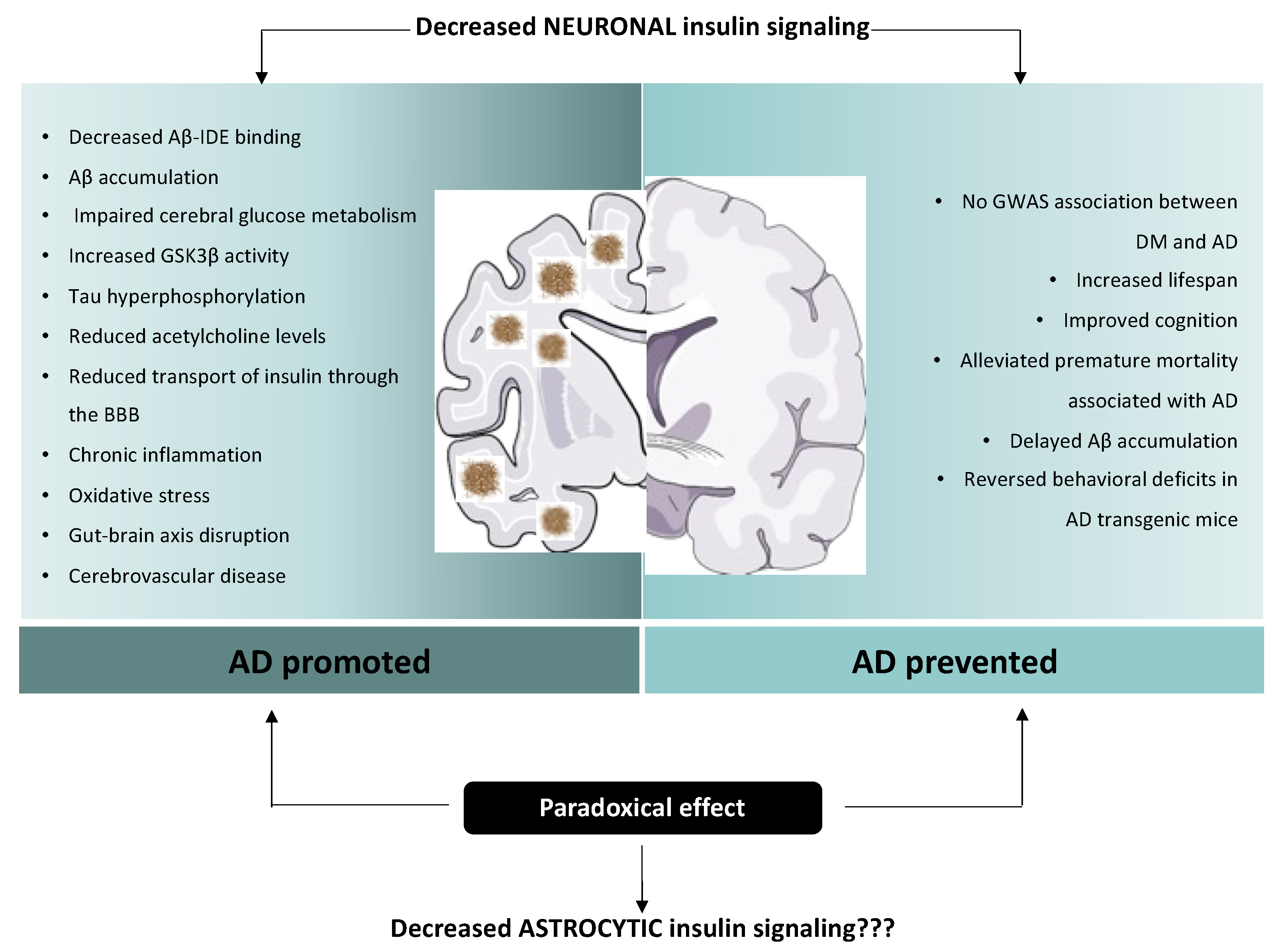
The connection between diabetes and dementia has long been recognized, with studies showing that people with diabetes face up to a 50% higher risk of developing Alzheimer’s disease or other forms of dementia compared to those without diabetes (Alzheimer’s & Dementia, 2018). However, the specific role of insulin—a hormone that regulates blood sugar levels—has only recently come under closer scrutiny. The latest findings, published in high-impact medical journals, suggest that insulin therapy itself may contribute to this elevated risk, potentially through mechanisms involving brain insulin resistance and amyloid plaque formation.
For patients already managing diabetes, this news introduces complex decisions about treatment options. Should they continue insulin therapy despite the risks? Are there safer alternatives? And what can be done to mitigate cognitive decline if insulin is unavoidable? As we explore these questions, it’s essential to distinguish between correlation and causation, and to consider the broader context of diabetes management in the context of aging populations.
Key Takeaways: What the Research Shows
- Insulin and dementia risk: Long-term insulin use in diabetes patients is associated with a 30–50% higher risk of dementia, according to meta-analyses of large-scale studies (JAMA, 2021).
- Mechanisms at play: Insulin may cross the blood-brain barrier, where it can interfere with amyloid clearance—a process critical for preventing Alzheimer’s pathology.
- Not all diabetes medications are equal: Sulfonylureas and other oral medications carry different cognitive risks compared to insulin.
- Patient-specific factors: Age, duration of diabetes, and presence of vascular complications influence individual risk profiles.
- No cause for alarm—yet: Experts emphasize that insulin remains essential for glycemic control, and the absolute risk increase must be weighed against the benefits of blood sugar management.
Why Does Insulin Use Appear to Increase Dementia Risk?
The biological pathways linking insulin to dementia are still under investigation, but several hypotheses have gained traction among researchers. One leading theory involves brain insulin resistance, a condition where the brain’s ability to respond to insulin is impaired. This resistance may disrupt normal cellular functions, including those critical for memory and learning.

Another critical mechanism centers on amyloid-beta plaques, the hallmark of Alzheimer’s disease. Insulin has been shown in laboratory studies to interfere with the clearance of amyloid-beta from the brain (Nature Reviews Drug Discovery, 2016). When insulin levels are elevated—particularly in the context of long-term therapy—this interference may accelerate plaque buildup, contributing to cognitive decline.
Additionally, insulin therapy can lead to hypoglycemia (low blood sugar), which has been independently linked to cognitive impairment. Severe or recurrent hypoglycemic episodes may damage brain cells, particularly in vulnerable regions like the hippocampus, which is essential for memory formation.
What Does the Evidence Say?
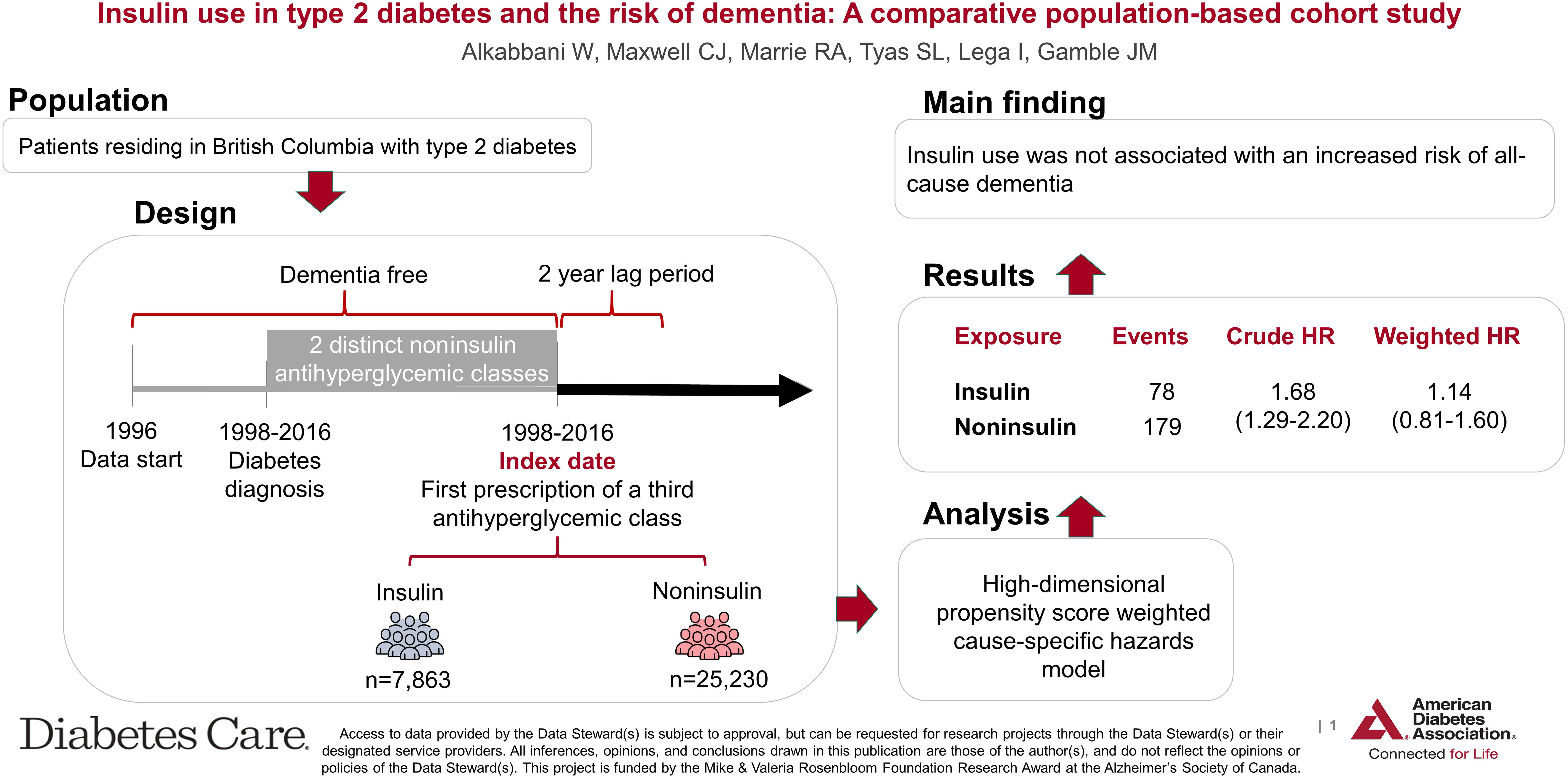
The most compelling evidence comes from large-scale epidemiological studies and meta-analyses published in the past five years. A 2021 meta-analysis in JAMA reviewed data from over 1.5 million diabetes patients and found that those on insulin therapy had a 30–50% higher risk of developing dementia compared to those using other diabetes medications (JAMA, 2021). The risk appeared to increase with duration of insulin use, particularly in patients over the age of 65.

A separate study published in Diabetologia in 2022 examined brain imaging data from 800 diabetes patients and found that those on insulin therapy exhibited greater amyloid plaque accumulation in the brain compared to those on non-insulin treatments (Diabetologia, 2022). The researchers noted that this effect was independent of glycemic control, suggesting that insulin itself—not just poor blood sugar management—may drive cognitive risks.
It’s important to note that these studies establish associations, not definitive causation. Other factors, such as the severity of diabetes, presence of vascular complications, and overall health status, could contribute to the observed risks. However, the consistency of these findings across multiple studies has prompted calls for further research into alternative diabetes treatments that may carry lower cognitive risks.
What Are the Alternatives to Insulin?
For patients concerned about the potential cognitive risks of insulin, several alternative or adjunctive treatments may be considered, depending on individual health profiles. These include:
- GLP-1 receptor agonists (e.g., liraglutide, semaglutide): These injectable medications improve blood sugar control while also promoting weight loss and cardiovascular benefits. Some studies suggest they may have neuroprotective effects (Journal of the American Heart Association, 2020), though long-term cognitive data are still limited.
- SGLT2 inhibitors (e.g., empagliflozin, dapagliflozin): These oral medications reduce blood sugar by increasing glucose excretion in the urine. They have shown cardiovascular benefits and may have a neutral or protective effect on cognitive function (The Lancet, 2020).
- DPP-4 inhibitors (e.g., sitagliptin, saxagliptin): These medications have a lower risk of hypoglycemia and may be suitable for patients with mild diabetes or those concerned about cognitive side effects.
- Lifestyle interventions: Dietary changes (e.g., Mediterranean diet), regular exercise, and cognitive training can improve glycemic control and may offset some cognitive risks associated with diabetes.
The choice of treatment should always be made in consultation with a healthcare provider, weighing the benefits of glycemic control against individual risk factors for dementia. For many patients, insulin remains the most effective option to prevent diabetic complications such as neuropathy, retinopathy, and kidney disease.
Who Is Most at Risk?
Not all diabetes patients on insulin face the same level of dementia risk. Several factors appear to increase vulnerability:
- Age: Patients over 65 are at significantly higher risk, as both diabetes and dementia become more prevalent with aging.
- Duration of diabetes: Long-standing diabetes (10+ years) is associated with greater cognitive decline, regardless of treatment.
- Vascular complications: Patients with hypertension, atherosclerosis, or a history of stroke are at higher risk for both diabetes-related cognitive decline and insulin-associated effects.
- Hypoglycemic episodes: Frequent or severe low blood sugar events may independently contribute to cognitive impairment.
- Genetic predisposition: Individuals with a family history of Alzheimer’s or other dementias may be more susceptible to the cognitive effects of insulin.
A 2023 study in Neurology identified a subgroup of diabetes patients—those with both insulin resistance in the brain and peripheral insulin therapy—who exhibited the most rapid cognitive decline (Neurology, 2023). This “double insulin exposure” hypothesis suggests that combining central nervous system insulin resistance with systemic insulin therapy may create a synergistic effect on dementia risk.
What Can Patients Do to Protect Their Cognitive Health?
While the link between insulin and dementia is concerning, it is not a reason to abandon insulin therapy without medical guidance. However, patients can take proactive steps to mitigate risks:
- Monitor blood sugar closely: Tight glycemic control reduces the risk of diabetic complications, but avoid frequent hypoglycemic episodes.
- Discuss treatment options: Work with your healthcare provider to explore non-insulin alternatives if appropriate for your diabetes stage.
- Prioritize cardiovascular health: Manage blood pressure, cholesterol, and weight to reduce vascular risks that contribute to cognitive decline.
- Engage in cognitive stimulation: Activities like reading, puzzles, and social engagement may help maintain brain resilience.
- Regular cognitive screenings: Annual assessments can help detect early signs of cognitive decline, allowing for timely intervention.
Emerging research also suggests that nasal insulin—a form of insulin delivered directly to the brain—may hold promise for diabetes patients concerned about cognitive risks. Preliminary studies indicate that nasal insulin can improve glycemic control without the systemic effects associated with traditional insulin therapy (Diabetes, Obesity and Metabolism, 2020). However, this approach is not yet widely available and requires further validation.
What’s Next for Research?
The field is actively exploring several avenues to better understand and address the insulin-dementia link:
- Clinical trials: Ongoing studies are investigating whether insulin de-escalation or alternative therapies can reduce cognitive risks without compromising glycemic control.
- Brain imaging research: Advanced techniques like PET scans and amyloid imaging are being used to track changes in brain pathology among diabetes patients on different treatments.
- Genetic studies: Researchers are identifying genetic markers that may predict which diabetes patients are most susceptible to insulin-associated cognitive decline.
- Public health guidelines: Organizations like the American Diabetes Association and the Alzheimer’s Association are reviewing their recommendations to incorporate cognitive risks into diabetes management strategies.
One of the most anticipated studies is the INSIGHT-Plus trial, a large-scale randomized controlled trial set to conclude in 2027. This trial will compare the cognitive outcomes of diabetes patients on insulin versus those on GLP-1 receptor agonists over a five-year period (ClinicalTrials.gov, 2021). Results are expected to provide definitive insights into whether insulin alternatives can reduce dementia risk without sacrificing glycemic control.
What Should You Do Now?
If you or a loved one is taking insulin for diabetes, this research underscores the importance of regular medical check-ups and open discussions with your healthcare provider. While the findings are concerning, they should not overshadow the critical role insulin plays in managing diabetes and preventing life-threatening complications.
For patients considering treatment changes, here are actionable steps:
- Schedule a comprehensive diabetes review with your endocrinologist or primary care physician.
- Ask about alternative medications that may carry lower cognitive risks for your specific health profile.
- Monitor cognitive function with tools like the Alzheimer’s Association’s 10 Warning Signs checklist.
- Stay informed about emerging research by following reputable sources like the American Diabetes Association and Alzheimer’s Association.
The relationship between insulin and dementia remains an evolving area of research. As new data emerges, healthcare guidelines and treatment approaches will likely adapt to better balance the critical need for glycemic control with the growing recognition of cognitive risks. For now, the best approach is a proactive, individualized strategy that prioritizes both physical and cognitive health.
Have you or a loved one experienced cognitive changes while on insulin therapy? Share your story in the comments below—your experience may help others navigate this complex issue.
Dr. Helena Fischer is a physician and health journalist with expertise in diabetes and cognitive health. For more on this topic, explore our coverage of diabetes management strategies and emerging treatments for Alzheimer’s disease.
Worth a look