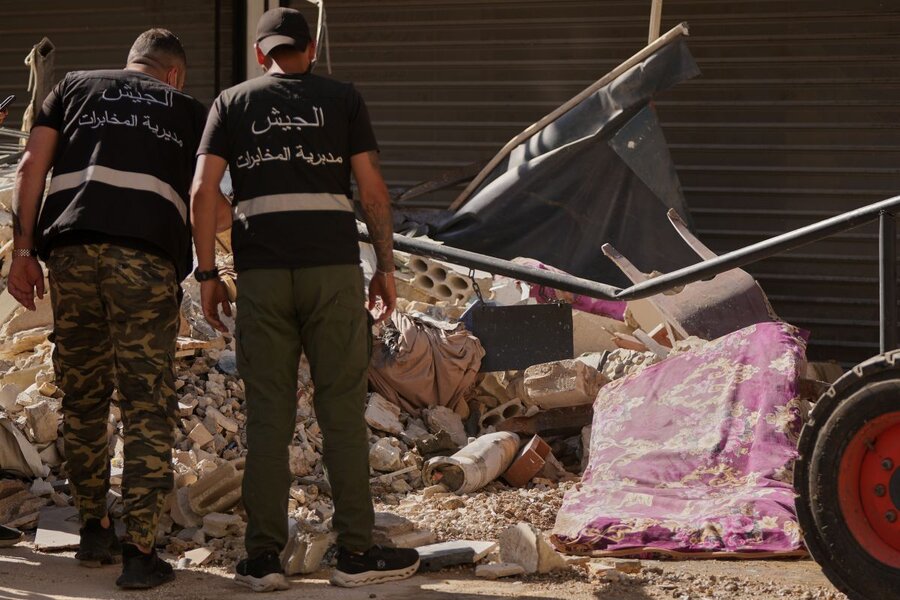
Israel has launched military strikes targeting Beirut’s southern suburbs, an action occurring just days after a ceasefire agreement was brokered in Washington. The escalation marks a significant test for the fragile diplomatic efforts aimed at de-escalating regional tensions, as officials in Tehran and Beirut assess the impact on the recently negotiated security arrangements.
The situation remains volatile, with observers closely monitoring the potential for a wider regional conflict. The strikes have prompted immediate warnings from Iranian leadership, who have signaled that the military action in Lebanon could undermine the stability of the ceasefire process. These developments follow a period of intense diplomatic activity intended to establish a lasting pause in hostilities across the Mideast.
Regional Tensions Rise Following Beirut Strikes
The recent military activity in Beirut’s southern suburbs has prompted a sharp response from Tehran. According to reports from the region, Iranian officials have indicated that the strike on Lebanon’s capital threatens to renew full-scale conflict. The rhetoric coming from Tehran emphasizes the view that such operations violate the terms of the recent diplomatic understandings reached in the United States.
The exchange of threats has intensified as both sides recalibrate their positions. While the ceasefire was intended to provide a mechanism for stability, the latest strikes have introduced new uncertainty into the diplomatic timeline. Analysts note that the proximity of these strikes to the Washington-backed agreement highlights the fragility of current peace efforts and the difficulty of maintaining a durable truce in an environment of deep-seated geopolitical rivalries.
Video Duration 00 minutes 42 seconds play-arrow00:42
The Diplomatic Landscape and Ceasefire Stability
The ceasefire agreement, which was announced in Washington, was designed to address the escalating cycle of violence that has characterized the region in recent months. However, the subsequent military maneuvers have raised questions about the adherence of involved parties to the established terms. The international community, including various world leaders, has issued calls for restraint to prevent the situation from spiraling into a broader regional war.
For the residents of the affected areas, the renewed hostilities represent a return to the precarious conditions that the ceasefire was meant to alleviate. The strategic implications of these strikes are being analyzed by international observers who are evaluating whether the current diplomatic framework can withstand the pressure of ongoing tactical operations. The focus remains on whether further negotiations can salvage the agreement or if the region is sliding toward a more entrenched conflict.
What Happens Next?
As of June 8, 2026, the diplomatic community is waiting for further statements from the parties involved to determine if the ceasefire remains viable. International mediators are expected to continue their efforts to facilitate communication between the stakeholders in an attempt to prevent further escalation. Future updates will depend on the actions taken by both Israeli and Iranian leadership in the coming days.

We will continue to provide updates as more verified information becomes available. If you have insights or observations regarding the developing situation, please share them in the comments section below.
Related reading
- Federal officials investigating after video appears to show man kicking a sea lion on a California beach – NBC News
- Česko sežehnou extrémní vedra. Do změny počasí zbývají hodiny – TN.cz
- Trump Threatens Iran as Houthi Tanker Attacks Push Oil Prices Above $100 (time.news)
- Berlin Police Halt Pride March After Vehicle Strikes Crowds (archyworldys.com)