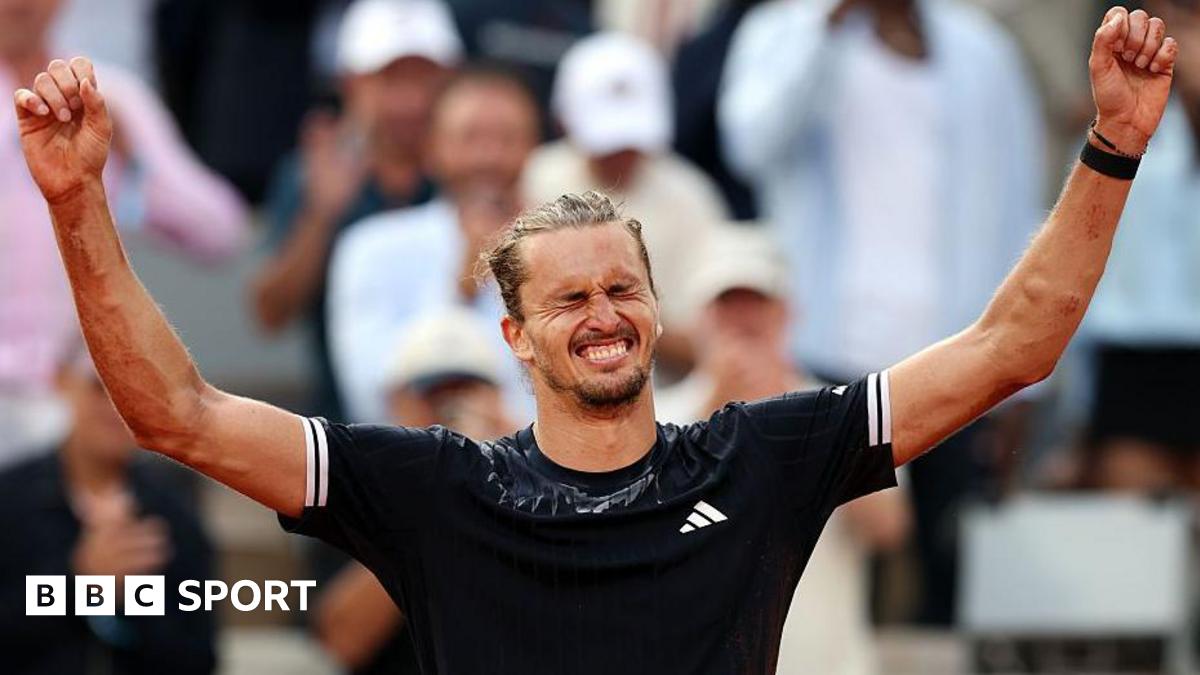
Alexander Zverev has achieved a significant milestone in his professional career, securing his status as a Roland-Garros champion. The German tennis star’s victory marks a profound personal turnaround, occurring four years after he was forced to exit the same tournament in a wheelchair due to a severe ankle injury. This win solidifies his position at the pinnacle of professional tennis, transforming a site of previous physical hardship into the setting of his greatest triumph.
The journey to this title has been defined by resilience and high-level performance. Zverev, who has long been recognized as a top-tier competitor on the ATP Tour, navigated a challenging path to lift the trophy in Paris. His success at the 2026 French Open serves as a testament to his recovery and technical evolution since his 2022 campaign, where his semifinal match against Rafael Nadal was abruptly cut short by a ligament tear that required immediate medical intervention.
A Return to Paris
The atmosphere surrounding Zverev’s return to the French capital was marked by high expectations and a clear focus on unfinished business. Throughout the tournament, observers noted the German’s ability to maintain focus under pressure, a characteristic that has become synonymous with his recent play. The conditions at Roland-Garros demand both physical endurance and mental fortitude, qualities that Zverev demonstrated consistently throughout the fortnight leading up to his victory.

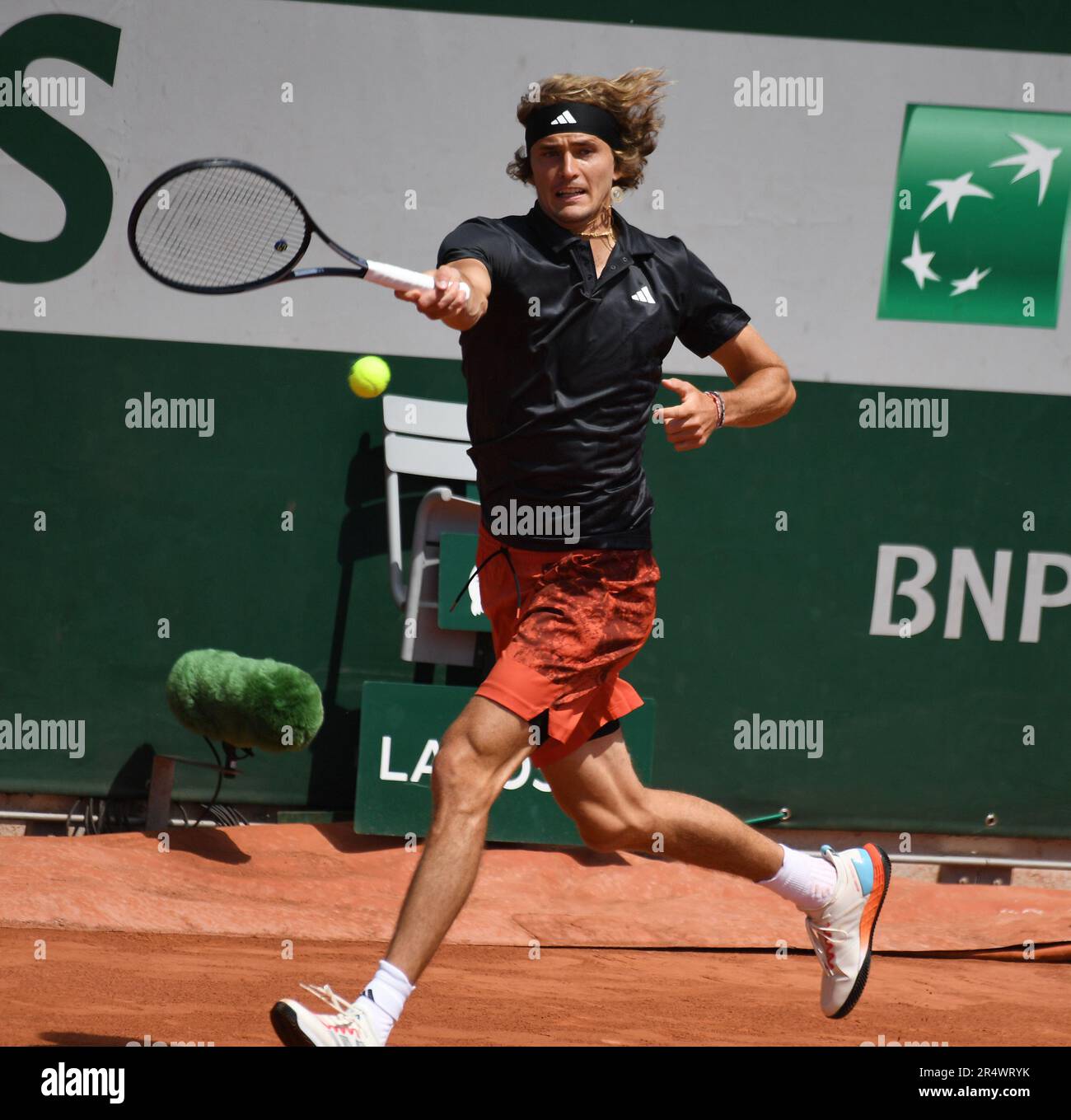
For fans and analysts alike, the victory provides a sense of closure to the narrative that began in June 2022. While that year saw him leave the court in distress, the 2026 edition provided a stark contrast, with Zverev dominating key rallies and showcasing the defensive and offensive versatility that defines his game. His technical proficiency on clay, a surface that rewards patience and precise movement, was on full display as he overcame the field to claim the title.
The Evolution of a Champion
Zverev’s career has been characterized by steady progress and a deep commitment to the sport. As a competitor who has consistently ranked among the world’s elite, he has often been cited for his powerful serve and baseline consistency. His victory at Roland-Garros adds a major championship to his resume, a goal he has been working toward since turning professional.
This achievement is expected to influence his standing in upcoming rankings and his preparation for the remainder of the season. Following the conclusion of the French Open, the tennis calendar shifts toward the grass-court season, where players must quickly adjust their movement and tactical approach. Zverev’s ability to transition effectively will be a key area of focus for his team as they look to build on the momentum generated by this win.
What Comes Next
With the Roland-Garros trophy secured, Zverev’s focus now turns to the upcoming ATP tournaments and the continued pursuit of excellence on the tour. The tennis community will be watching closely to see how he manages the physical and mental demands of the remaining season. The next major checkpoints for top-ranked players typically involve mandatory entries in upcoming Masters 1000 events and the preparation for the late-summer hard court swing.
We encourage our readers to share their thoughts on Zverev’s performance and the impact of this win on the current tennis landscape. What do you think was the turning point in his final match? Join the conversation in the comments section below and stay tuned to World Today Journal for further updates on the professional tennis circuit.
Related reading