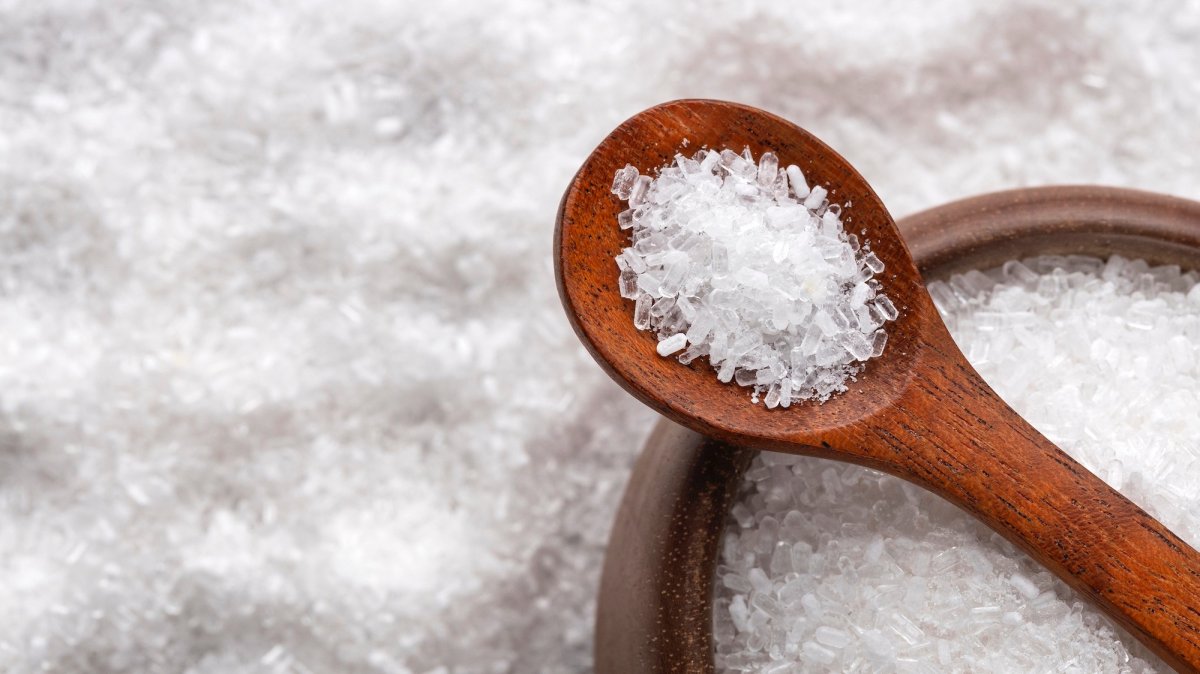
Epsom salt, chemically known as magnesium sulfate, is a versatile mineral compound that has transitioned from a traditional medicine cabinet staple to a popular, if sometimes misunderstood, household remedy. While its ability to soothe sore muscles is well-documented, social media trends have often overstated its effectiveness in areas like gardening and household maintenance. Understanding the distinction between its practical applications and common myths is essential for safe and effective use around the home.
At its core, Epsom salt is a chemical compound consisting of magnesium, sulfur, and oxygen. It is distinctly different from table salt, which is sodium chloride. While it is widely available in drugstores and grocery stores, often found near laxatives or aspirin, its utility is limited by its chemical properties. According to WebMD, while some users soak in Epsom salt baths hoping to absorb magnesium and sulfate through the skin, scientific evidence suggests that such absorption is difficult and unlikely to provide significant health benefits through that method alone. However, the warmth of the bath itself may provide relief for muscle soreness.
Practical Uses for Epsom Salt Around the House
When used for appropriate tasks, Epsom salt can be a helpful and affordable tool. Its physical structure as a coarse, crystalline mineral makes it particularly well-suited for specific mechanical applications in the home.
One of the most common and effective uses of Epsom salt is as a mild, physical abrasive. Because the crystals are coarse enough to scrub surfaces without causing damage, they can serve as an alternative to harsher scouring pads. By mixing the salt with a small amount of dish soap, you can create a paste that is effective for cleaning baked-on food residue from pots and pans, scrubbing grout lines, or removing soap scum from bathroom fixtures. This method relies entirely on the abrasive nature of the crystals, as the compound itself does not possess chemical cleaning agents to break down grease or grime.
In the realm of personal care, Epsom salt is frequently used as a manual exfoliant. Its texture allows it to gently buff away dead skin cells from areas such as the hands, feet, and elbows. To create a scrub, many combine the salt with a small amount of water or a moisturizing oil like coconut or olive oil. Following this with a moisturizer helps maintain skin hydration. Additionally, due to its crystalline appearance, it has become a popular material for seasonal crafts. Crafters often use it to create a “frosted” effect on glass items like mason jars or candle holders by applying a layer of craft glue and rolling the object in the salt.
Why Epsom Salt is Not a Garden Cure-All
Despite its popularity in online gardening communities, the application of Epsom salt to soil is often based on misconceptions rather than botanical science. Many viral claims suggest that it can act as a universal fertilizer, but it lacks the three essential nutrients—nitrogen, phosphorus, and potassium—that plants require for healthy growth.
According to Washington State University Extension, there is no scientific evidence to support the claim that Epsom salt acts as a pest repellent for garden insects or slugs. Furthermore, spraying a concentrated solution directly onto plant foliage can lead to leaf scorch, potentially damaging the plants you intend to protect. The use of Epsom salt to prevent blossom end rot in vegetables like tomatoes is also scientifically unsupported. Blossom end rot is a result of a calcium deficiency, typically caused by uneven water transport within the plant. Adding magnesium sulfate can actually exacerbate this issue, as excess magnesium in the soil can interfere with a plant’s ability to absorb necessary calcium.
Misconceptions About Cleaning and Maintenance
It is important to recognize the limitations of Epsom salt when it comes to household maintenance. Because it is simply magnesium sulfate, it does not possess the chemical properties required to disinfect surfaces or kill pathogens like bacteria, viruses, or fungi. Using it as a general-purpose cleaner will physically scrub a surface but will leave it chemically untreated. For effective disinfection, the Centers for Disease Control and Prevention and other health authorities emphasize the use of EPA-registered products, such as diluted bleach solutions or isopropyl alcohol, which are proven to destroy germs.
Another persistent myth involves using Epsom salt to melt ice on driveways and walkways. While it technically lowers the freezing point of water, it does so far less effectively than common de-icing agents like sodium chloride (rock salt) or calcium chloride. These commercial products are specifically formulated to melt ice quickly at lower temperatures, making them the standard for winter maintenance. Attempting to use Epsom salt for this purpose is often ineffective and can lead to significant waste of the product.
Finally, using Epsom salt as a weed killer is not recommended. While some homemade mixtures involving vinegar, dish soap, and Epsom salt may damage the visible parts of a weed, these mixtures are often less effective than commercial herbicides. Furthermore, the concentration required to harm weeds can damage the surrounding soil, negatively impacting soil life and other plants. Manual removal or the use of mulch and weed barriers remain the most reliable and environmentally sound methods for weed management in a home garden.
If you have questions about specific household uses for minerals or chemicals, consult local extension services or professional maintenance guides. Have you tried using Epsom salt for cleaning or gardening? Share your experiences in the comments below.
Related reading
- Why Gavin Newsom’s Support for the Paramount-Warner Bros Merger Fuels Media Consolidation and Fascism
- Ugreen High-Performance Home NAS: 16GB RAM & 4K Media Playback Now Under 8,000 CZK
- RAP vs. IBR: What Your New Student Loan Bill Actually Costs (daybreakwire.com)
- Titan: The Safe But Freezing Moon Where Humans Could Actually Fly (time.news)