
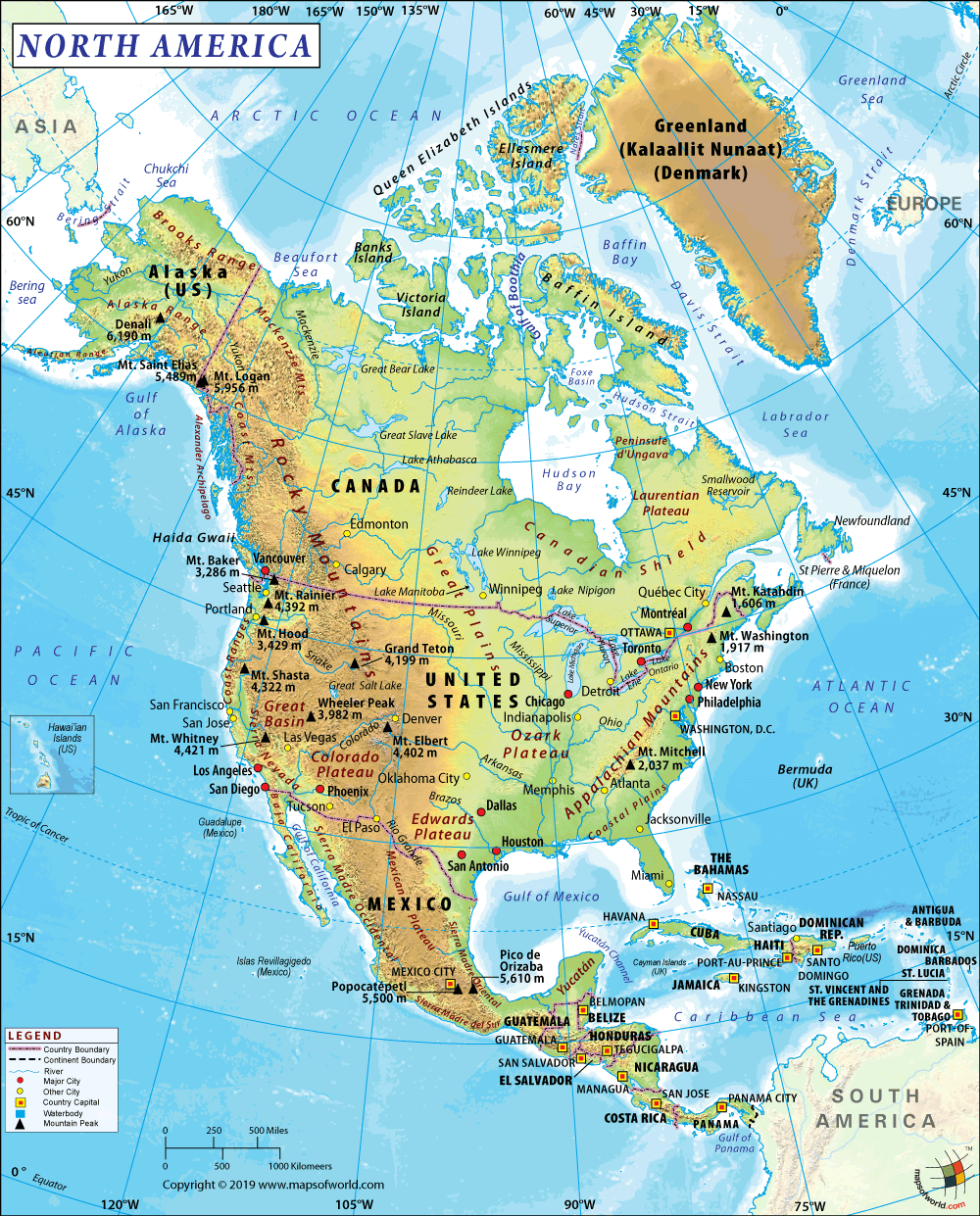
As the 2026 FIFA World Cup prepares to kick off on June 11, 2026, across 16 host cities in the United States, Canada, and Mexico, public health officials are bracing for a massive experiment in global human interaction. With millions of fans expected to traverse international borders, pack into confined stadium seating, and utilize shared public transit, the tournament creates a unique environment for the potential spread of infectious diseases. While large-scale international gatherings rarely trigger major global outbreaks, they do provide significant opportunities for localized transmission and place substantial pressure on regional health systems.
Public health experts are monitoring a range of threats, from the highly improbable to the increasingly common, as fans descend on host venues. According to an editorial published in the journal Antimicrobial Stewardship & Healthcare Epidemiology, the tournament’s global reach necessitates a proactive approach to prevent the importation and spread of pathogens. The risk profile for the event includes everything from respiratory illnesses like influenza and measles to mosquito-borne viruses and sexually transmitted infections, which often receive less public focus during major sporting events.
Crowds at a Moscow stadium during the 2018 World Cup show that this massive sporting event is a weeks-long experiment in global mixing that creates a perfect environment for infectious diseases to spread.
Claudio Villa – FIFA/FIFA via Getty Images
Respiratory Threats in Crowded Venues
The most immediate and probable health risks for attendees are respiratory infections, which thrive in the crowded, high-density environments of stadiums, bars, and airports. Measles, a highly contagious viral illness, remains a top concern for health authorities in North America. As of June 4, 2026, the U.S. Centers for Disease Control and Prevention (CDC) has confirmed 2,030 measles cases in the United States, a figure that approaches the total volume recorded for the entirety of 2025.
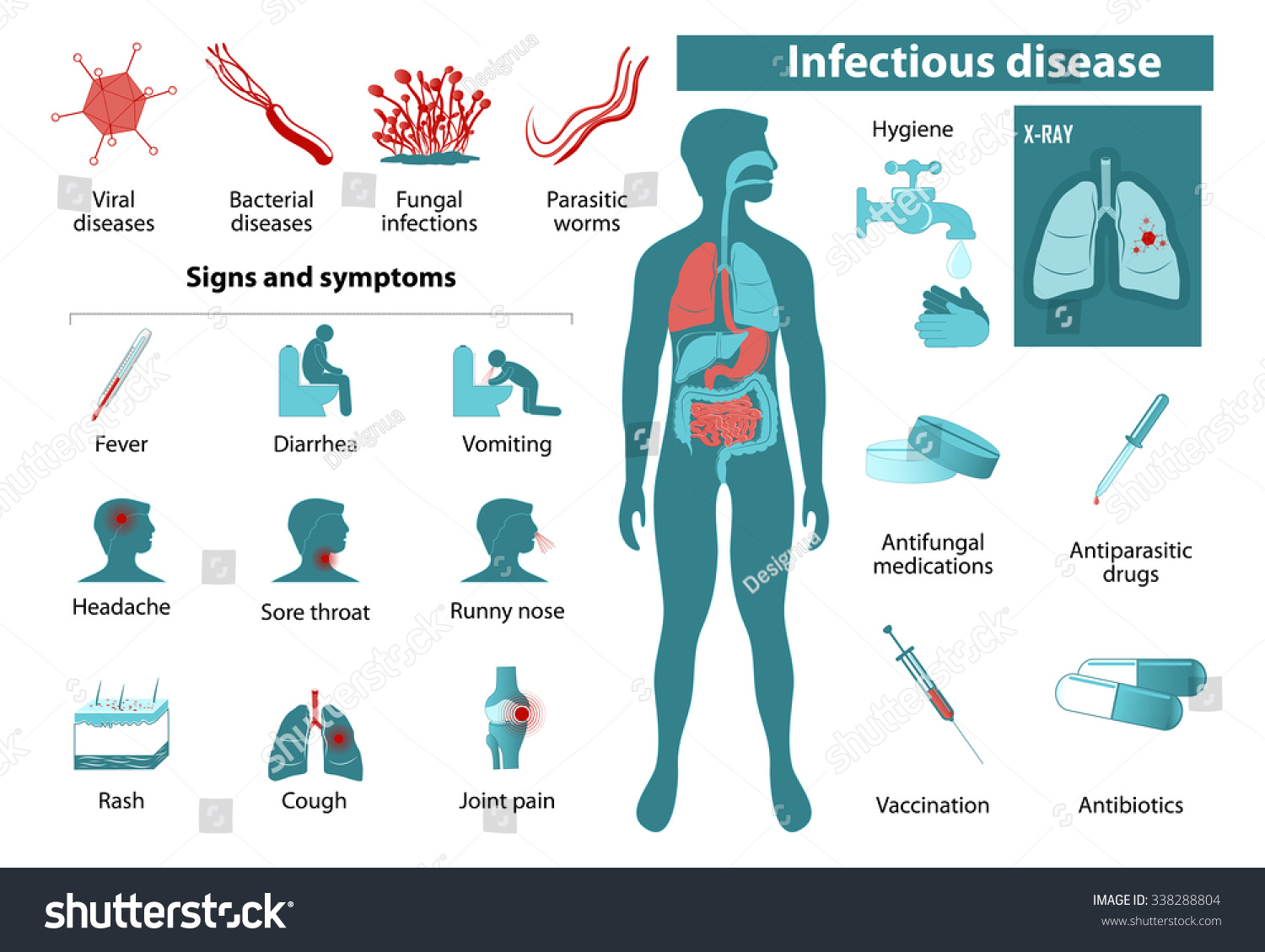
The potential for rapid transmission is well-documented. A single traveler passing through Denver International Airport in 2025 previously triggered a localized cluster of at least 10 infections, illustrating how easily a virus can move through international transit hubs. In addition to measles, the 2025–2026 influenza season reached a 30-year high, and COVID-19 continues to contribute to between 290,000 and 450,000 hospitalizations annually in the United States. Scientists are also maintaining vigilance over the H5N1 avian influenza virus; while 70 human infections have been reported in the U.S. since 2024, there has been no confirmed evidence of person-to-person transmission, though monitoring for potential mutations remains a priority.
Mosquito-Borne Risks and Travel Patterns
The tournament’s timing coincides with peak mosquito season in many southern host cities, introducing risks associated with vector-borne diseases. Dengue fever, in particular, has shown a concerning upward trend, with the U.S. recording nearly 3,800 cases in 2024—a 359% increase over the prior 14-year average. While most of these cases were linked to travel in the Caribbean and Central America, sporadic locally acquired infections have been identified, notably in Los Angeles.
Beyond endemic threats, there is the risk of fans importing illnesses from their home regions. Yellow fever remains a concern for travelers from parts of Sub-Saharan Africa and South America. Furthermore, the Oropouche virus, which caused a record-breaking epidemic in Latin America in 2024 with over 8,000 confirmed cases in Brazil, represents an emerging challenge. Because familiarity with these specific tropical viruses is often lower among physicians in North America, public health experts emphasize the importance of awareness for both travelers and local healthcare providers. There is no vaccine for Oropouche, and infections can occasionally lead to severe complications, including brain inflammation.
Public health experts are scaling up disease monitoring and making other preparations to help keep World Cup travelers safe.
Addressing Often-Overlooked Risks
While respiratory and mosquito-borne illnesses command significant attention, some health experts are highlighting the importance of monitoring sexually transmitted infections (STIs) during the tournament. Data suggests that approximately 1 in 5 international travelers may engage in casual sexual encounters, with nearly half of those interactions reported as unprotected. The ongoing circulation of mpox in the United States, combined with a global resurgence of syphilis, has led some officials to include sexual health awareness in their broader safety guidance for tournament visitors.
In response to these varied risks, a coalition including Georgetown University and the nonprofit healthcare provider MedStar Health has formed the Health Security Operations Center. This group aims to monitor disease transmission patterns throughout the event. However, some public health experts have expressed concern regarding the capacity of regional health infrastructures to manage potential outbreaks, citing significant funding reductions to public health agencies, including the CDC, since 2025.
Practical Guidance for Fans
Health officials recommend that attendees take specific, proactive steps to mitigate their personal risk. These measures include ensuring all routine vaccinations—particularly for measles, influenza, and COVID-19—are current before departure. Travelers are also encouraged to utilize mosquito repellent in high-risk areas, practice safe sex, and wear masks or remain at home if they experience symptoms of illness. The focus remains on individual responsibility to help alleviate the burden on local health systems during the five-week tournament.
As the tournament progresses, health organizations are expected to provide ongoing updates through official channels, including the CDC’s travel health notices. Whether these measures will be sufficient to manage the influx of international visitors remains a point of discussion among public health professionals. For those planning to attend, staying informed through official government health portals is the most reliable way to receive real-time guidance as the situation develops.
We welcome your thoughts on these public health measures. Please share this article with fellow travelers and join the conversation in the comments section below regarding your own preparations for the upcoming matches.
Keep reading