Microsoft’s gaming division, Xbox, continues to refine its approach to software distribution as the industry balances the demand for multiplatform availability with the strategic value of hardware-exclusive titles. The company has clarified that while certain titles—specifically live-service games—are prioritized for broad, multiplatform release, the status of other first-party games remains subject to evaluation on a case-by-case basis. This evolving strategy reflects the broader shifts within the gaming sector as major publishers weigh the benefits of expanding their user base across consoles and PC against the role of flagship games in driving hardware sales.
For players, this means the future of Xbox-published content is not governed by a single, rigid policy. Instead, Microsoft is navigating a hybrid model. The decision to bring specific titles to rival platforms or keep them exclusive is determined by the unique requirements of each game, its development lifecycle, and the broader goals of the Xbox ecosystem. This nuance is crucial for understanding how the company intends to maintain its footprint in a market where subscription services like Xbox Game Pass play a central role in how users interact with their library of games, whether on a console, PC, or mobile device through cloud-enabled features, as noted in official Xbox documentation.
Evaluating the Multiplatform Strategy
The current discourse surrounding Xbox’s game strategy highlights a transition toward a more flexible release philosophy. Unlike previous generations where exclusivity was often seen as the primary driver for hardware adoption, the contemporary landscape—influenced by the growth of digital storefronts and cross-play capabilities—has prompted a reassessment. Live-service games, which rely heavily on large, active player bases to sustain their ongoing updates and monetization models, are the most frequent candidates for multiplatform distribution. By removing barriers to entry, Microsoft aims to maximize the reach of these titles, ensuring that friends can connect and play together regardless of their preferred gaming hardware.
However, the approach to single-player experiences and flagship franchises remains more guarded. These games often serve as the “anchor” titles that define the value proposition of the Xbox platform. Consequently, these projects are evaluated individually to determine if an exclusive release serves the long-term health of the brand more effectively than a wider release. This case-by-case evaluation process allows Microsoft to pivot based on market data, player feedback, and the competitive environment of the gaming industry.
The Role of First-Party Titles
At the heart of this strategy is the management of first-party studios. The integration of various development houses into the Microsoft fold has provided the company with a vast portfolio of intellectual property. Managing this portfolio requires a balance between supporting the Xbox hardware ecosystem and ensuring that these studios can reach the widest possible audience. The company’s commitment to its subscription services remains a cornerstone of this effort. Users can access a massive library of titles, queue games for installation, and manage their gaming social networks through the Xbox mobile app, which serves as a bridge for players staying connected to their friends and rewards while on the go.
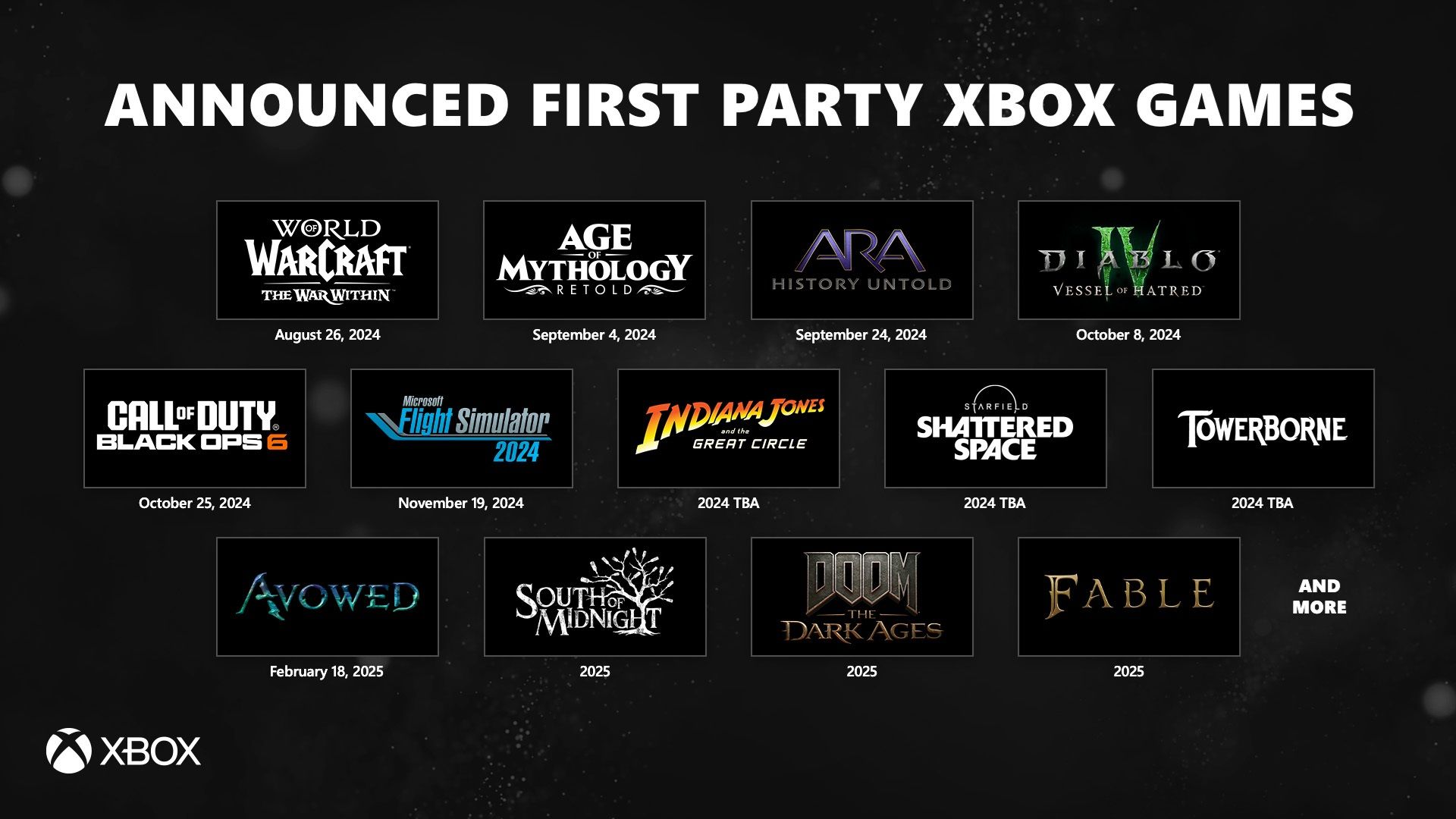
This strategy also addresses the expectations of the gaming community. Players frequently express interest in where and how they can access new releases, and Microsoft’s emphasis on “meeting players where they are” underscores a move toward greater accessibility. Whether through the Microsoft Store or via integrated subscription models, the goal is to provide a seamless transition between devices, allowing for a consistent experience whether a player is at home on a console or engaging with content on a PC or mobile device.
Future Outlook and Industry Impact
As Microsoft continues to iterate on its business model, the industry is watching closely to see how these decisions impact long-term platform loyalty. The shift toward a less restrictive exclusivity model does not necessarily signal the end of platform-specific incentives. Rather, it represents a recalibration of what “platform” means in the age of cloud gaming and cross-platform services. The ability to track achievements, participate in voice and text chats, and share game clips across different ecosystems remains a vital part of the Xbox brand identity, ensuring that players remain tethered to the service even when they are playing on hardware that is not manufactured by Microsoft.
Looking ahead, stakeholders expect the company to provide further clarity as new titles move through their development cycles. The balance between short-term revenue from multiplatform sales and long-term ecosystem growth via hardware and subscription retention will remain the primary tension in Microsoft’s gaming leadership. For now, the “case-by-case” framework serves as the company’s official stance, providing them with the necessary agility to respond to a rapidly changing consumer landscape. Official updates regarding specific game releases and platform availability will continue to be provided through the official Microsoft Store and company-led announcements as they become available.
We will continue to monitor official company statements and industry reports for any further shifts in this policy. As always, we invite our readers to share their perspectives on how these changes influence their own gaming habits and platform preferences in the comments section below.