Peru is currently at a political crossroads as the nation awaits the final determination of its presidential runoff election. With more than 91% of the votes counted, the contest between right-wing candidate Keiko Fujimori and left-wing challenger Roberto Sánchez remains in a statistical tie, necessitating a meticulous and potentially lengthy verification process to declare a winner. According to official reports, the race is extremely tight, mirroring the volatility that has characterized the country’s recent political landscape.
The current situation centers on a divide between urban and rural support bases. Early tallies from the pollster Ipsos indicate that Fujimori has secured a lead in the capital, Lima, as well as along the coast, while Sánchez has garnered significant support in the rural mountainous regions of the Andes. Election officials have emphasized that the final outcome will depend on the remaining ballots, a process that could span several days or weeks as tally sheets are individually processed to ensure accuracy.
The Candidates and the Political Context
Keiko Fujimori, 51, is a central figure in Peruvian politics, making her fourth attempt at the presidency following previous runs in 2011, 2016, and 2021. As the daughter of the late former president Alberto Fujimori, her candidacy has historically polarized the electorate. Throughout this campaign, she has cautioned against declaring a premature result, stating that it would be “irresponsible” to determine a winner on early samples and insisting that “every single tally sheet must be counted.”
Her opponent, Roberto Sánchez, has positioned himself as a proponent of broad economic reforms. Sánchez has framed the early count as an “important lead that reaffirms the will of the people, who want democracy and justice.” His campaign has also included a controversial pledge to seek a “presidential pardon” for former president Pedro Castillo. The election has been heavily influenced by public concerns regarding crime, insecurity, and the ongoing political instability that has seen the country cycle through eight presidents over the past decade.
What Happens Next in the Vote Count
Because the margin between the two candidates is so narrow, the path to a final declaration remains complex. As ballots from the rural and mountainous areas—where Sánchez has historically performed well—continue to be integrated into the national count, observers expect the lead to potentially shift or narrow further. In previous election cycles, similar statistical ties have resulted in drawn-out confirmation processes that required deep-dive recounts of contested or problematic tally sheets.
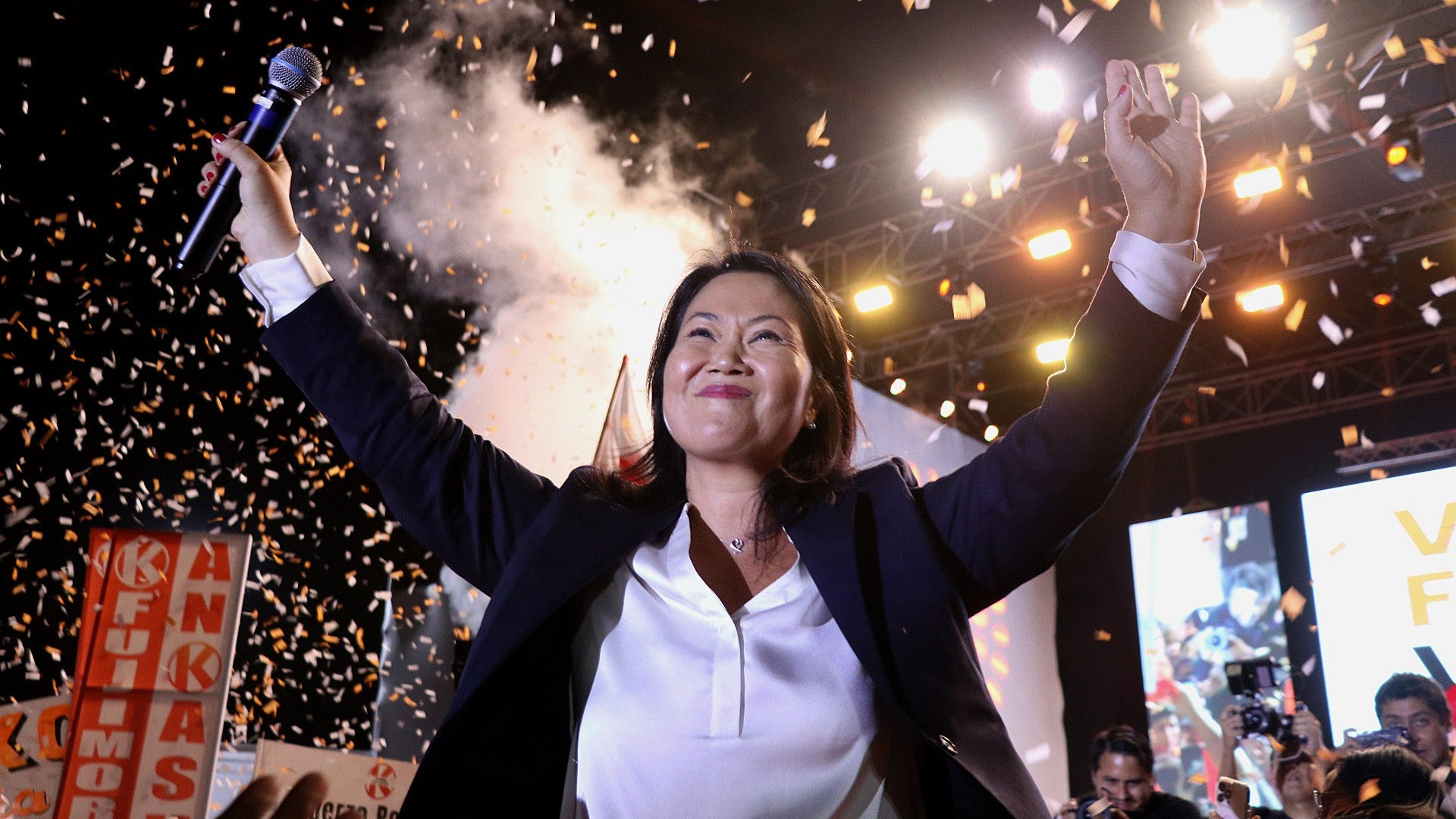
The National Office of Electoral Processes (ONPE) is tasked with the official tabulation. While early pollster data from Ipsos provided an initial snapshot, the legal authority to declare a victor rests solely with official electoral bodies. Citizens and international observers are currently monitoring the process for transparency, as both camps have signaled they are prepared for a long period of uncertainty before a definitive result is certified.
Understanding the Electoral Divide
The split in voting patterns highlights a deep-seated geographical and socioeconomic divide within Peru. Fujimori’s strength in urban centers like Lima often reflects a preference for her established political platform among coastal voters. Conversely, Sánchez’s appeal in the Andes underscores a demand for change and economic reform among populations that have frequently felt marginalized by the central government. This geographic polarization is a recurring theme in Peruvian presidential contests, often resulting in high-stakes runoffs that keep the nation in suspense until the final rural precincts report their numbers.
As the count continues, the primary concern for the Peruvian public remains the restoration of institutional stability. With the country having faced significant leadership turnover in recent years, the legitimacy of this electoral process is viewed as a critical component in calming domestic tensions. The international community, including regional partners and democratic observers, is expected to continue monitoring the situation until the electoral authorities release the final, verified tally.
Updates on the official vote count can be tracked through the National Office of Electoral Processes (ONPE), which serves as the authoritative source for electoral data in Peru. We will continue to provide updates as new official tallies are released by the authorities. Please share your thoughts in the comments section below or follow our coverage for further developments as this story unfolds.
Keep reading