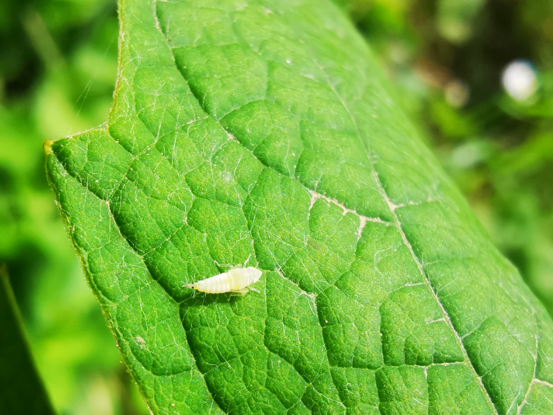
Authorities in Lower Austria (Niederösterreich) have implemented new regulatory measures to combat the spread of the American grapevine leafhopper (Scaphoideus titanus), a critical step aimed at protecting regional viticulture from the devastating “Flavescence dorée” disease. The insect acts as a primary vector for the pathogen, which causes the incurable golden yellowing of grapevines, potentially forcing the total removal of infested vineyard sites.
According to official plant health guidance, the American grapevine leafhopper is recognized as a significant threat to European viticulture due to its role in transmitting the phytoplasma responsible for Flavescence dorée. Because this disease is classified as a Union quarantine pest, its appearance necessitates mandatory reporting and rigorous containment strategies to prevent widespread economic loss in the affected regions. Information regarding the identification and management of this pest is maintained by the Austrian Agency for Health and Food Safety (AGES).
Understanding the Threat to Vineyards
The American grapevine leafhopper is a small, winged insect, typically measuring 5 to 6 millimeters in length. Its biology is closely tied to the lifecycle of the vine; adult females lay eggs under the bark of the vines, where they survive the winter. As temperatures rise in the spring, larvae emerge to feed on the plant’s vascular system. The movement of these insects—often spreading from neighboring regions—presents a persistent challenge for vineyard owners, as they can transmit the disease-causing bacteria at various developmental stages.
Infection by Flavescence dorée leads to a distinct set of symptoms. Infected vines display discolored leaves—turning gold-yellow on white varieties and bright red on red varieties—followed by curling and stunted berry growth. Because the pathogen settles in the plant’s vascular system and causes clogging, the entire vine eventually dries out from the inside. Experts note that symptoms often do not appear until a year after the initial infection, meaning a single vine can act as an undetected source of spread throughout a vineyard for an extended period.
Regulatory Response and Containment
The new regulatory measures in Lower Austria focus on proactive surveillance and strict containment protocols. When symptoms of Flavescence dorée are confirmed, the immediate uprooting of affected vines is required to halt the progression of the disease. Furthermore, agricultural authorities typically mandate the establishment of a 500-meter safety zone around the site of an infestation to prevent further transmission by the leafhopper.
Monitoring efforts remain the primary defense for growers. The plant protection service of the local agricultural chamber conducts regular inspections, which include the detailed examination of vine leaves for signs of the insect or the associated yellowing disease. While conventional plant protection products can be used to manage the insect population, the difficulty of early detection means that regular, systematic field inspections are the most effective tool for long-term vineyard health.
Preventative Management for Growers
For those managing vineyards in regions currently identified as endangered or susceptible to the leafhopper, proactive management is essential. The lifecycle of the insect begins with hatching in late May, though this timing is highly dependent on local weather conditions, altitude, and the specific geographical location of the vineyard. Because different larval stages can occur simultaneously, continuous monitoring throughout the summer months is necessary.

Growers are encouraged to consult official resources from the Austrian Agency for Health and Food Safety to stay updated on the latest reporting requirements and technical guidance. As the agricultural community continues to monitor the situation, the emphasis remains on early detection and strict adherence to quarantine protocols to protect the integrity of Austrian wine production.
Updates regarding the enforcement of these regulations are expected to be provided by regional agricultural chambers as the growing season progresses. We encourage readers to stay informed through official government bulletins and to report any suspected sightings of the pest to their local agricultural authorities immediately.
Related reading